IsraelNetanyahuElectionGazaSecurity
Netanyahu Seeks Election Victory After 1,200 Killed in Gaza War
Published: October 27, 2026
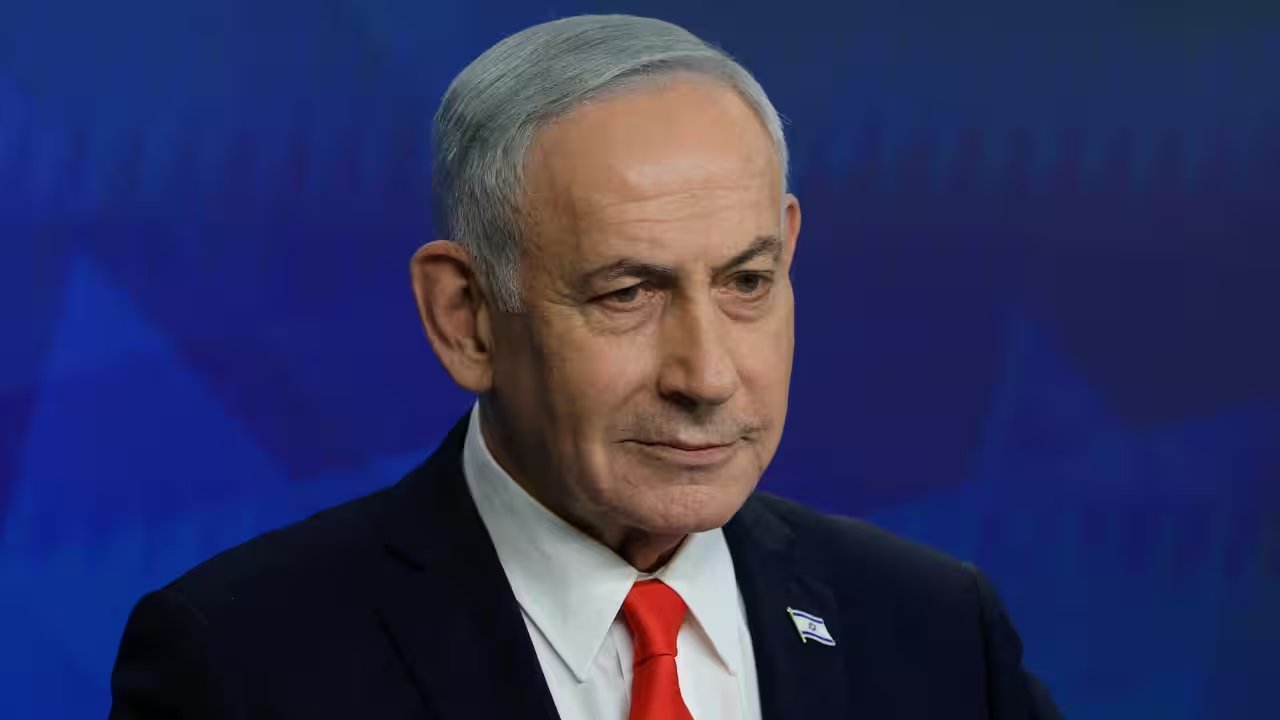
Prime Minister Benjamin Netanyahu announced his candidacy for the upcoming Israeli election on 11 May 2026, following the October 7, 2023 Hamas attack that killed 1,200 civilians. He vows to secure a coalition that will continue his wartime strategy against Iran and Gaza, with a March 2027 parliamentary vote expected to decide the outcome.
Prime Minister Benjamin Netanyahu has declared his bid to return to office amid a tense electoral climate, set for 11 May 2026, after the October 7, 2023 Hamas assault that claimed 1,200 lives and sparked a decade‑long Gaza conflict. The election follows Israel’s recent military campaigns against Iran and Hezbollah, leaving the nation’s security and diplomatic standing deeply fractured.
In his campaign, Netanyahu pitches himself as the unchallenged leader who steered Israel through the Gaza offensive and the 12‑day aerial strike on Iranian nuclear sites. He has capitalized on his alliance with former U.S. President Donald Trump, who has warned that any change in leadership could jeopardise coordinated action against Iran.
Opposition co‑leader Gadi Eisenkot, a former military chief, argues for a national inquiry into the October 7 attacks and stresses the need for a new government to restore Israel’s international reputation. Eisenkot’s platform has attracted both right‑wing and centrist voters, but he remains uncertain whether his coalition can outpace Netanyahu’s entrenched Likud base.
Within Likud, Netanyahu may still need the support of far‑right figures Itamar Ben‑Gvir and Bezalel Smotrich to secure a parliamentary majority, but both face Western sanctions over alleged incitement to violence. The Jewish Power party, led by Ben‑Gvir, has climbed opinion polls, tightening the race.
The day’s polls will run from 7 a.m. to 10 p.m. local time, with voters in Jerusalem and Tel Aviv weighing security, humanitarian, and diplomatic questions. A national inquiry, as urged by education ministry employee Mali Hajaj, could become a deciding factor for voters who see accountability as vital for healing.
If neither candidate can assemble a governing coalition in Israel’s 120‑seat Knesset, Netanyahu may remain as caretaker prime minister until a second election in 2027. The next parliamentary vote will decide whether the nation’s military‑oriented leadership ends or continues under Netanyahu’s direction.