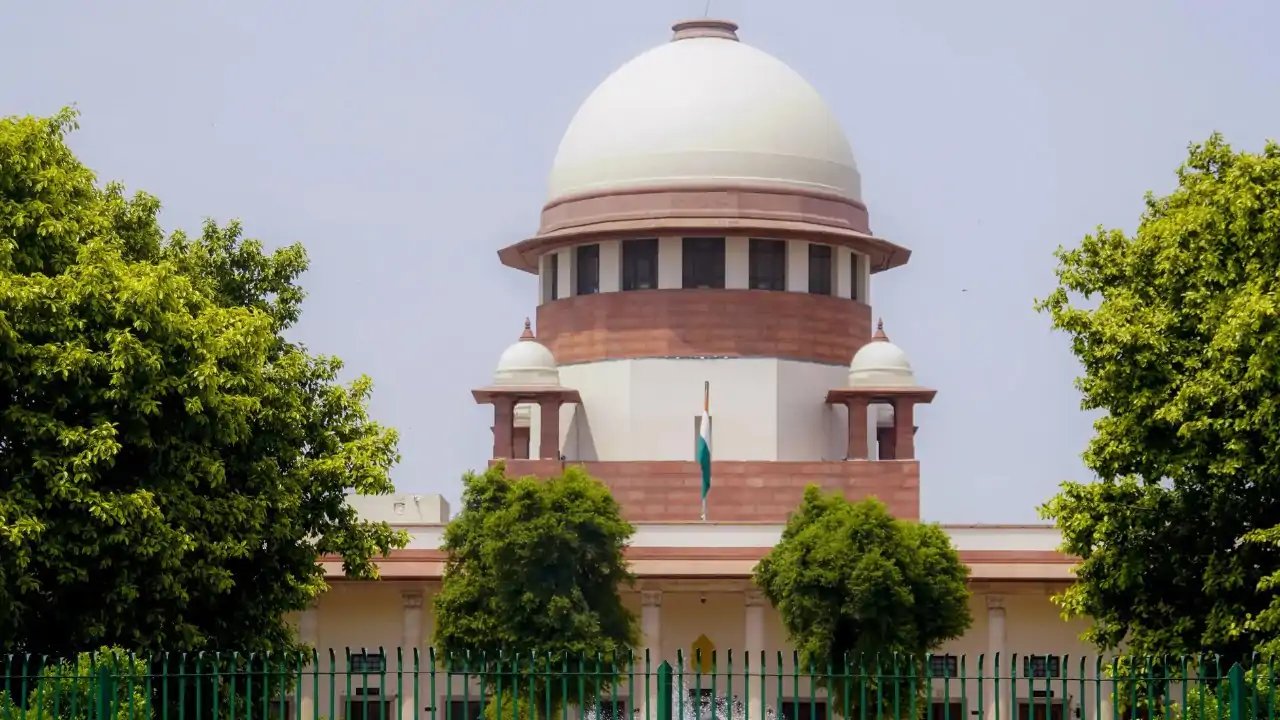
The Supreme Court dismantled the default defense of religious non-negotiability during Monday’s hearing on Delhi-NCR’s imminent festive pollution crisis. Justice Joymalya Bagchi, part of a bench with Chief Justice Surya Kant and Justice V Mohana, bluntly asked: “What does religion have to do with firecrackers?” The question landed in a courtroom saturated with the annual debate over air quality versus cultural freedom.
Senior Advocate Aparajita Singh, the amicus curiae, seized on this opening. She argued that the “religious practice” shield is a stalemate tactic that repeats every year without yielding cleaner air. “Gods would be aghast if they knew that children were suffering and getting sick in their name,” Singh stated, shifting the moral weight from tradition to pediatric health outcomes.
CJI Surya Kant refused to let the court become a policeman of faith. “We will not hurt religious sentiments,” he observed, but pivoted immediately to the practical failure of past orders. He noted that coercive bans often fold under the weight of non-enforcement. Instead, the court favored a strategy of “introspection” and targeted awareness campaigns, suggesting that citizens need to be persuaded to light diyas rather than blow up the sky.
The friction in the room was palpable. Singh accused stakeholders of holding “carte blanche” to ignore implementation details, while Senior Advocate J Sai Deepak, representing firework traders, pushed back on the scope of existing restrictions. The court’s middle path—restricting only “harmful” categories and limiting bursting to specific hours—satisfies no one fully. It is a bureaucratic compromise dressed as a judicial directive.
The bench has now kicked the ball to the Commission for Air Quality Management. Suggestions for specific cracker bans and time-bound usage windows must reach the CAQM before the next hearing on October 15. Until then, the festive season approaches with the same unchecked trajectory as last year, and the air quality index remains the silent victim.