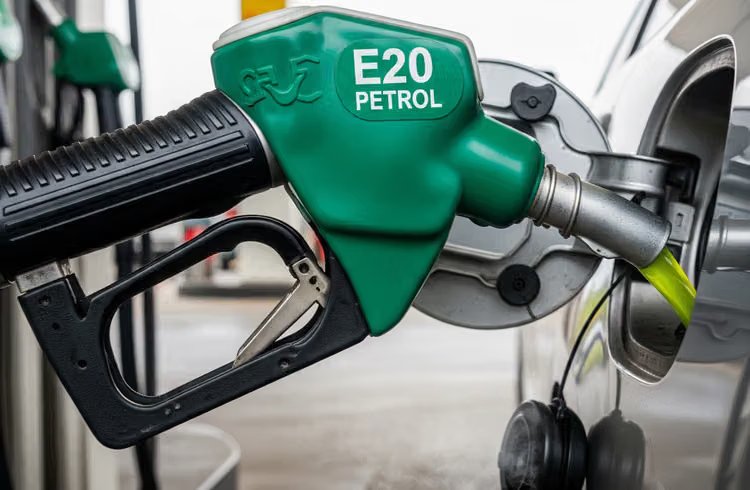
If your car engine started sputtering or your two-wheeler suddenly choked on throttle input this month, you are not alone.
Drivers across Kerala are pulling into service centres with corroded fuel lines, fouled injectors, and degraded rubber gaskets—and state regulators are now tracing the damage back to the pump. In response to mounting driver outrage, Kerala's Food and Civil Supplies Department mobilised inspection squads to seize fuel samples from retail fuel stations across four key districts: Thiruvananthapuram, Ernakulam, Kozhikode, and Kannur.
Pumps caught dispensing illegal blends face immediate shutdown.
"In view of complaints being received from the public about vehicles being damaged and the apprehensions they have about the presence of more than permissible limits of ethanol in fuel, it is the government's responsibility to allay their fears," Food and Civil Supplies Minister Anoop Jacob announced. "That is why the inspections have been ordered."
Every collected sample is now heading into state-run chemical laboratories for compositional testing, with official verdicts due in 10 days. Under current automotive regulations, oil marketing companies cannot exceed an ethanol blend of 20 percent (E20). If laboratory spectrometers detect blending ratios past that legal threshold, authorities will seal the offending fuel station on the spot.
Kerala's sudden enforcement push follows alarms sounded in neighbouring Karnataka. There, state testing revealed rogue petrol batches carrying ethanol concentrations as high as 31.2 percent—far above the tolerance band of even modern, factory-calibrated E20 vehicles. Oil marketing companies pushed back against those findings, maintaining that their E20 fuel complies strictly with Bureau of Indian Standards metrics while questioning the sampling methods used during Karnataka's October testing. But for car owners, paper assurances do little to fix dissolved fuel hoses.
| Fuel Metric | Regulatory Threshold | Karnataka Test Finding | Kerala Enforcement Action |
|---|---|---|---|
| Ethanol Content | Maximum 20% (E20) | Up to 31.2% detected | Sample tests across 4 districts |
| Lab Turnaround | Immediate compliance | October review disputed | Results due within 10 days |
| Station Penalty | Notice issued | Methodological dispute | Immediate outlet sealing |
For everyday buyers and fleet operators, excessive ethanol is an expensive mechanical hazard. Pure ethanol attracts moisture out of ambient air. Inside a fuel tank, that water separates, settles at the bottom, and triggers rapid phase separation. In older BS4 and early BS6 vehicles unequipped for alcohol blends, concentrations pushing past 20 percent dissolve standard rubber seals, corrode aluminium carburettor bowls, and starve fuel pumps. Even owners of brand-new, flex-ready machinery face reduced thermal efficiency and sluggish low-end torque when ethanol percentages swing unpredictably from pump to pump.
All eyes now turn to the government lab findings due next week. If the test results confirm widespread blending violations in Thiruvananthapuram or Ernakulam, Kerala's enforcement drive will trigger a state-wide inspection blitz, forcing oil refiners to answer for what is flowing through their nozzles.