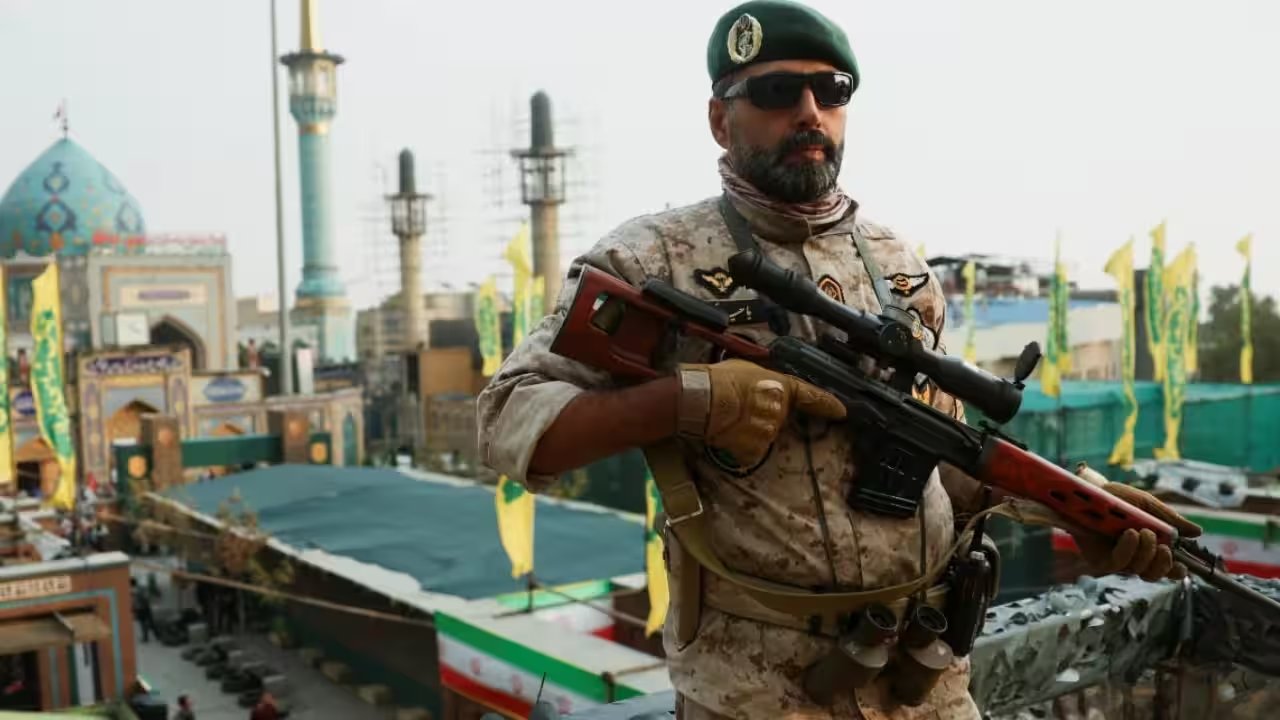
Brigadier General Hossein Mohebbi, the Islamic Revolutionary Guard Corps (IRGC) spokesperson, announced on Saturday that Iranian forces shot down 260 hostile aircraft during the US-Iran conflict. The tally includes high-value targets like F-35, F-16, F-5, and F-18 fighter jets, plus MQ-1, RQ-4, Orbiter, and Lucas drones, according to Mehr News Agency.
Mohebbi also claimed the interception of seven MQM-170 reconnaissance drones over the past two weeks, calling it a 'demonstration of technological superiority.' He revealed that Tehran has moved missile and drone production lines from surface sites to deep underground 'missile production cities,' leveraging domestic technical capabilities to bypass previous vulnerabilities.
This hardline stance clashes sharply with the White House narrative. President Donald Trump has repeatedly refused to label the confrontation a 'war,' citing that 'nobody was hurt, killed, or anything else' in five months. He claimed Washington is extracting more oil than before the hostilities began, a point that has become a central talking point for his administration.
The conflict, however, proved electorally costly. The Republican Party suffered significant setbacks in the US midterm elections, with Vice President JD Vance explicitly blaming the war for the defeat on social media. Rising fuel prices and cost-of-living concerns, exacerbated by the prolonged military campaign, turned the conflict into a liability for Trump and his candidates. Trump acknowledged the electoral hit but defended the initial decision to strike Iranian nuclear and military installations in 2025 and 2026.
Iran is now positioning itself as both a defense powerhouse and an exporter, claiming to sell Arman missiles, 358 loitering munitions, and the Khordad-3 air defense system. The next phase of this standoff hinges on whether the US accepts the 'no war' framing or responds to the threat of Iran’s newly expanded underground arsenal.