EducationAndhra PradeshNonprofitSocial ImpactRural Development
How One Andhra Engineer Uses His Salary to Keep 90,000 Rural Children in School
Published: October 30, 2026
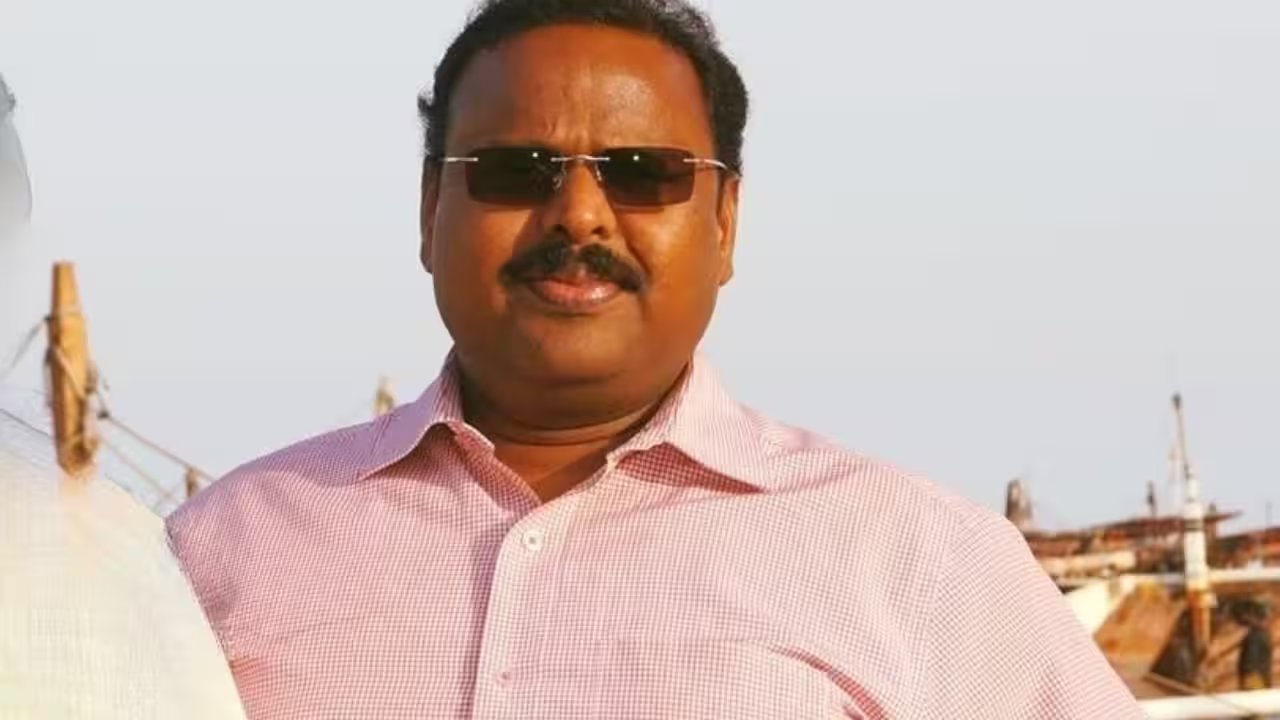
Bethala Veera Swami, a mechanical engineer based in Abu Dhabi, founded PARD India to provide after-school education and digital access to children in his home state. His initiative has reached 110 villages, ensuring that poverty doesn't force bright kids to drop out.
Most kids in Yernagudem, Andhra Pradesh, didn't have the luxury of dreaming. For Bethala Veera Swami, growing up among daily-wage agricultural laborers meant watching friends leave school to work. It was a visible, painful reality. So in 2011, he and his childhood friends registered PARD India. The goal was simple: stop the bleeding. They started with just 50 children in Classes 4 and 5 at the same government school Swami had attended. Today, the numbers tell a different story. The organization reports influencing nearly 90,000 children across 110 villages. That’s a massive shift for a rural belt where education often ends at primary level.
The method is unglamorous but effective. PARD runs an After School Education Programme six days a week. It’s not just about math or science drills. Teachers cover moral education, computer skills, and extracurriculars. They also track attendance obsessively. If a child misses a day, a teacher calls the parents. This early intervention catches struggling students before they vanish from the register altogether. For families that can’t afford private tuition, this support is the difference between finishing school and dropping out.
Swami didn’t just write checks; he built infrastructure. In 2012, he personally funded a Village Knowledge Centre in Yernagudem with ₹8 lakh. The center came equipped with 15 computers. For a village where the internet was a distant concept, this was revolutionary. It offered free training to kids and young professionals. The equipment lasted nearly eight years before becoming outdated, but the digital skills it imparted stuck. It bridged a gap that corporate CSR often overlooks. It proved that local, personal investment can outlast foreign aid.
The challenge is sustainability. Swami works in Abu Dhabi, balancing a demanding engineering career with leading a nonprofit back home. He’s not a full-time activist; he’s a professional dividing his time. The V-Kid Scholarship Programme, launched in 2014, helps students from primary school through graduation. It targets specific gaps, like children who have lost a parent. It’s a long game. But for the 90,000 kids who have already benefited, the game is already won. They’re in classrooms, not fields. And that’s the only metric that matters.