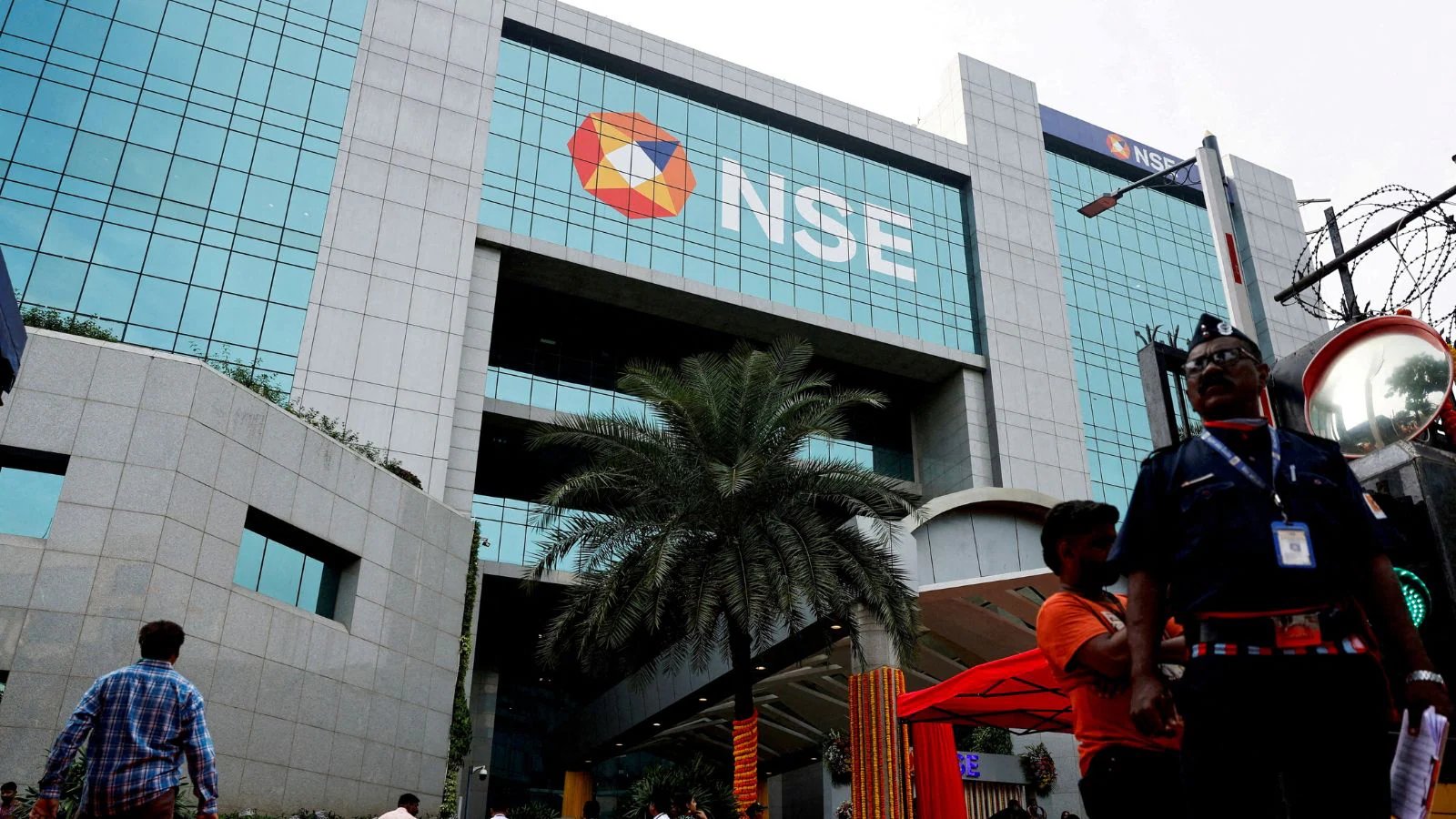
The National Stock Exchange’s IPO anchor book drew a swarm of investors, tallying more than 150 participants before the public subscription window opened on September 17.
The book itself has been trimmed from the originally slated ₹9,000 Cr to ₹6,250 Cr, yet it still packed a hefty ₹2,883 Cr from foreign portfolio investors (FPIs), accounting for 43% of the allocation, while domestic investors poured in ₹3,588 Cr.
Life Insurance Corporation of India topped the list, clinching ₹450 Cr of shares, a figure that dwarfs the next closest bidder. Other major foreign players—Singapore’s GIC, Abu Dhabi Investment Authority, and Norway’s Norges Bank—also lobbied for sizeable stakes.
Managing Director and CEO Ashish Chauhan explained the surge: “Demand was unexpectedly large, even with a smaller book,” he said. He added that the allocation framework would stick to pre‑defined buckets, ensuring domestic mutual funds, non‑mutual fund investors, and FPIs each received shares within their limits.
NSE’s IPO is an offer‑for‑sale; the exchange will not pocket any proceeds. Chauhan highlighted the exchange’s healthy profitability and a dividend payout of roughly ₹8,000 Cr last year as reasons for not seeking fresh capital.
The shares are priced between ₹1,700 and ₹1,785, with a lot size of eight shares—making a minimum retail investment of ₹14,280 at the upper band. The subscription period runs from September 17 to 21.
Looking ahead, NSE’s focus remains on meeting the minimum public shareholding requirement and enhancing liquidity for existing shareholders. The exchange’s strategy signals that it will continue to use IPOs primarily for market depth rather than fundraising.