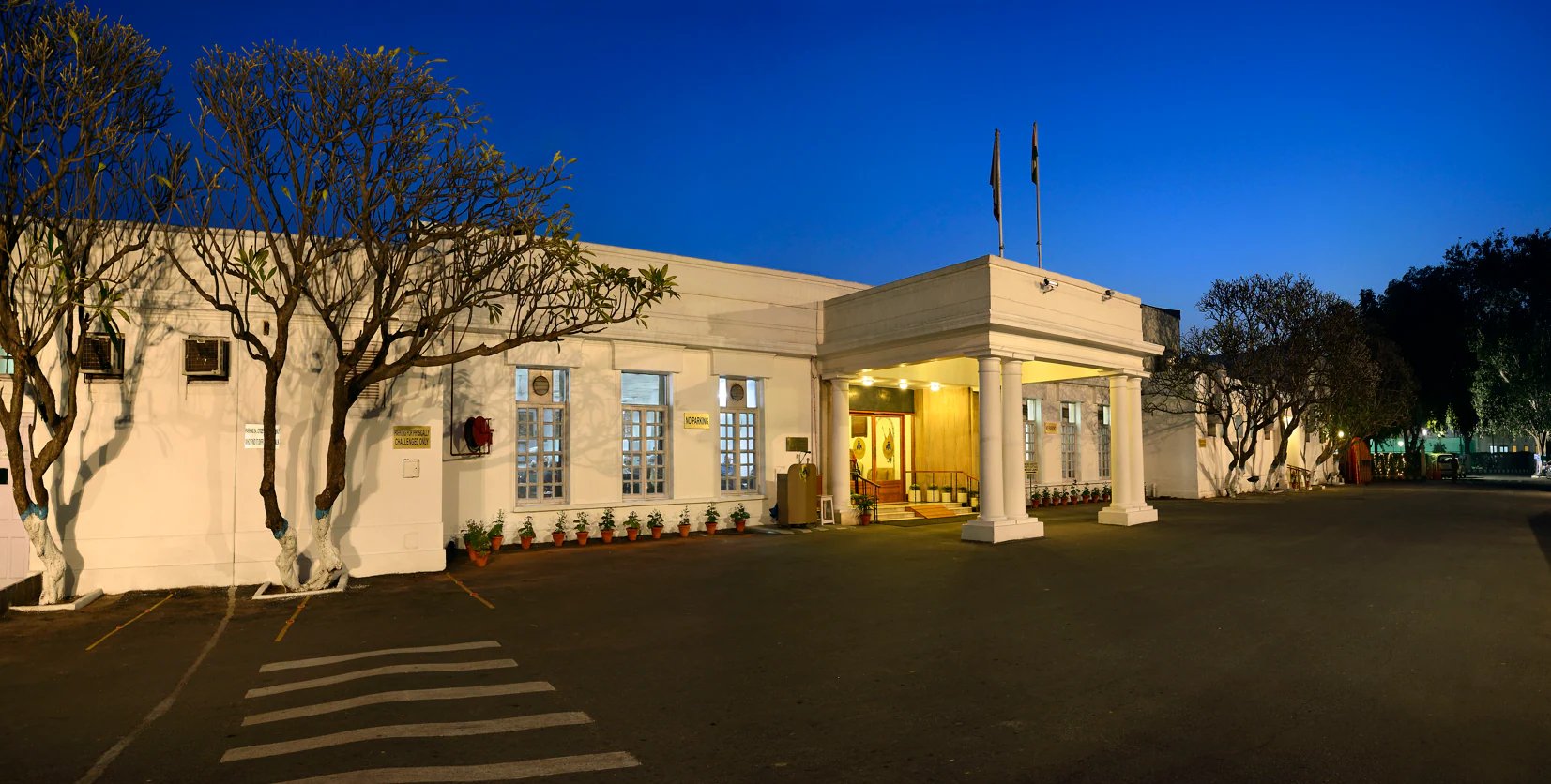
Justice Prateek Jalan recused himself from hearing the Delhi Gymkhana Club eviction case on Wednesday, citing personal involvement that could undermine his impartiality. He told the bench that the case was "too personal" and that he would feel more comfortable if someone else heard it.
The dispute centers on a May 22 order from the Land and Development Office that terminated the club’s 27.3‑acre lease, a relic of colonial governance, and demanded the club vacate by June 5 to strengthen defence infrastructure. Staff members, led by Vijay Khurana and backed by more than 500 club workers, argue that the eviction threatens their livelihoods and violates constitutional rights under Articles 14, 19(1)(g) and 21.
The club’s staff filed separate lawsuits, asserting that the eviction notice is premature and based on vague security claims. They seek a stay on the June 29 show‑cause notice, a status‑quo order for occupancy, and a ruling that the estate officer cannot issue a final order under the Public Premises Act.
Following the recusal, Justice Jalan directed that the case be listed before another bench on Friday. The Centre has stated it will not pursue coercive action for the time being, but maintains that the lease termination is lawful and that third parties cannot impede the enforcement of its rights.
For the workers, the fight means more than a legal battle—it threatens the jobs of cooks, gardeners, lifeguards and security staff who have served the club for decades. Their protest underscores the wider debate over heritage property and national security priorities.
The next hearing will decide whether the court sides with the club’s staff or upholds the Centre’s eviction order, a decision that could set a precedent for similar heritage‑land disputes across the country.