India-TradeUS-IndiaChina-BusinessBRICSInfrastructure
India's Sitharaman Urges Fast‑Track US Trade Deal Amid Chinese Barriers
Published: October 16, 2026
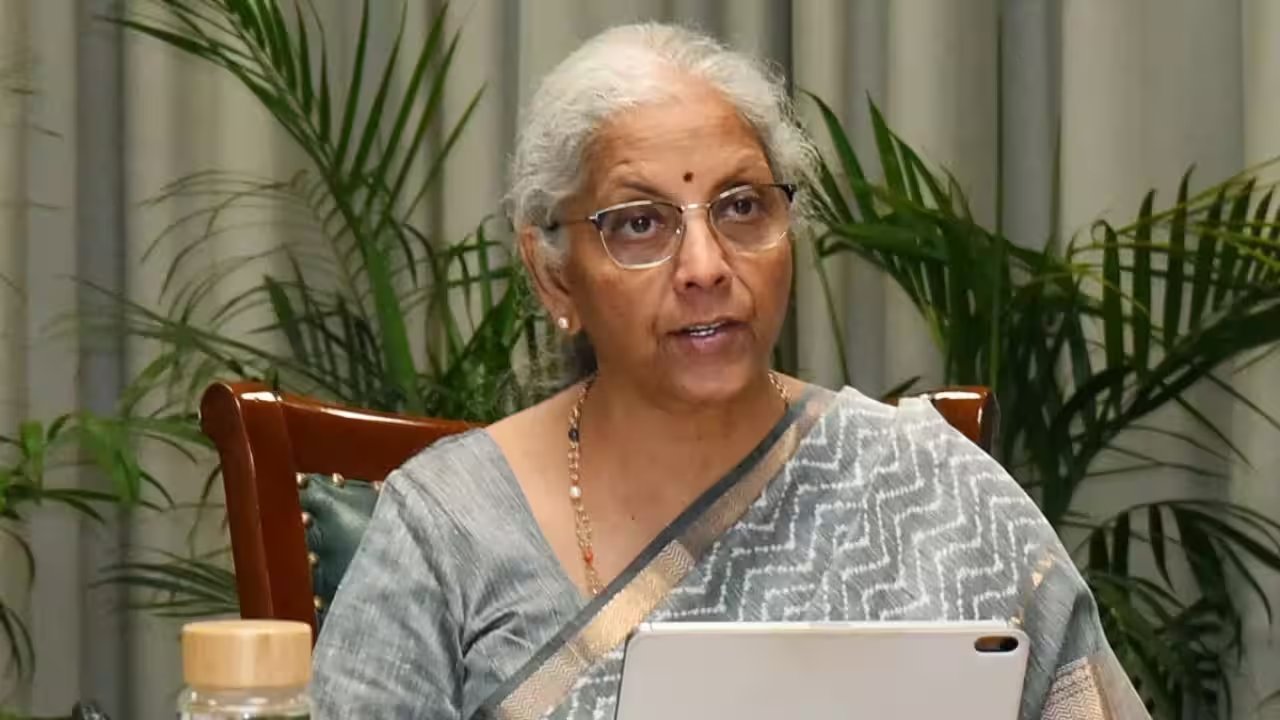
Finance Minister Nirmala Sitharaman urged the early signing of the India‑US trade agreement on Friday after the first phase was finalized. She warned that non‑tariff barriers in China are stalling Indian exports, prompting a push for clearer market access.
On Friday, at a session hosted by the Atlantic Council in Bangkok, Finance Minister Nirmala Sitharaman called for an expedited ratification of the India‑US trade agreement. She noted that Commerce Minister Piyush Goyal had already sealed the first phase, which is now in legal drafting. Sitharaman said the pact would lift tariff ceilings and expand market access for Indian services, thereby tightening economic ties with the world's second‑largest economy.
She warned that China remains a thorny trade partner, citing persistent non‑tariff barriers that choke Indian exports. The minister listed generic medicines, bovine meat, fresh vegetables, and other perishable goods as categories where Indian firms face phytosanitary restrictions and opaque procedures. "India has made little headway in securing deeper market access, despite years of dialogue," she said.
Sitharaman also used the platform to clarify the BRICS agenda, insisting that the bloc's purpose is to serve its peoples rather than counter external powers. She highlighted that BRICS countries account for almost 40 percent of the world’s population and 45 percent of global trade, and that expanded cooperation could open new economic avenues.
Turning to domestic growth, the minister praised India's resilience, noting that it has remained the fastest‑growing major economy over the past four to five years, a trend she attributes to inclusive growth, skill development, and disciplined fiscal management. She argued that infrastructure spending delivers a higher multiplier effect than direct cash transfers, creating jobs while keeping fiscal deficits in check.
The trade agreement is slated to be presented to Parliament for approval within the next month, after the legal drafting phase concludes. Meanwhile, the United States will need to clear the pact through its congressional process, with both sides expecting a swift ratification that will unlock new trade corridors.