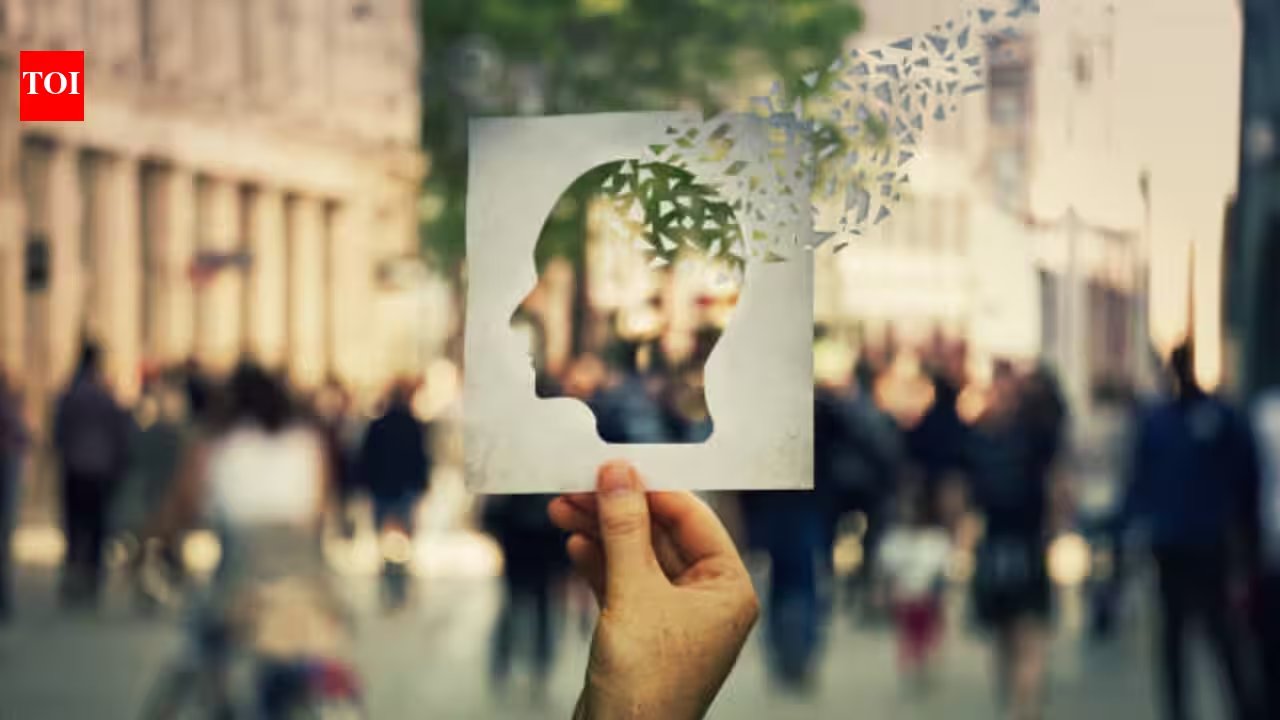
It’s a familiar scene: you’re certain about a childhood detail, maybe where you were sitting or exactly what your mom said, but she insists it never happened. You’re both right in your own minds. Dr. Anuvinda Sadanandan, a Consultant Clinical Psycho Oncologist at Apollo Hospitals in Bangalore, explains that memory isn't a hard drive. It’s a reconstruction. When we recall an event, our brain pulls together fragments—faces, feelings, locations—and stitches them back together. The problem? The gaps get filled. Sometimes with truth, often with what we think should have been there.
This is why clarity doesn't equal accuracy. You can be laser-focused on a memory, feeling the emotion of it, yet miss the actual facts. It’s called a source monitoring error. Your brain remembers the story, but it forgets whether you lived it or just heard it. Think about family legends. If your aunt tells you a funny story about your toddler years at every gathering, and you see an old photo, your brain starts merging the hearsay with the visual. Eventually, you 'remember' doing the thing. You didn't. You just listened to it so many times it became part of your narrative.
Emotion plays a huge role here, too. We trust memories that made us feel something strong—fear, embarrassment, joy. But intense emotion actually narrows your attention. You focus on the scary part and ignore the context. Later, when you try to remember, your current mood colors the past. That’s why two people in the same room can walk away with two completely different versions of what happened. Neither is lying. Both are just doing what human brains do: making sense of the chaos.
So, how do you handle this? Stop treating your memory as legal evidence. If a friend or family member disputes a detail, it’s not worth the fight. Ask yourself: did I live this, or did I hear this? And be careful with leading questions, especially with kids. Asking "Don't you remember when you fell off the bike?" can plant a false memory. If you're unsure, just let it go. Your brain is flexible, and that flexibility is what lets you learn and adapt. Just don't mistake your imagination for history.