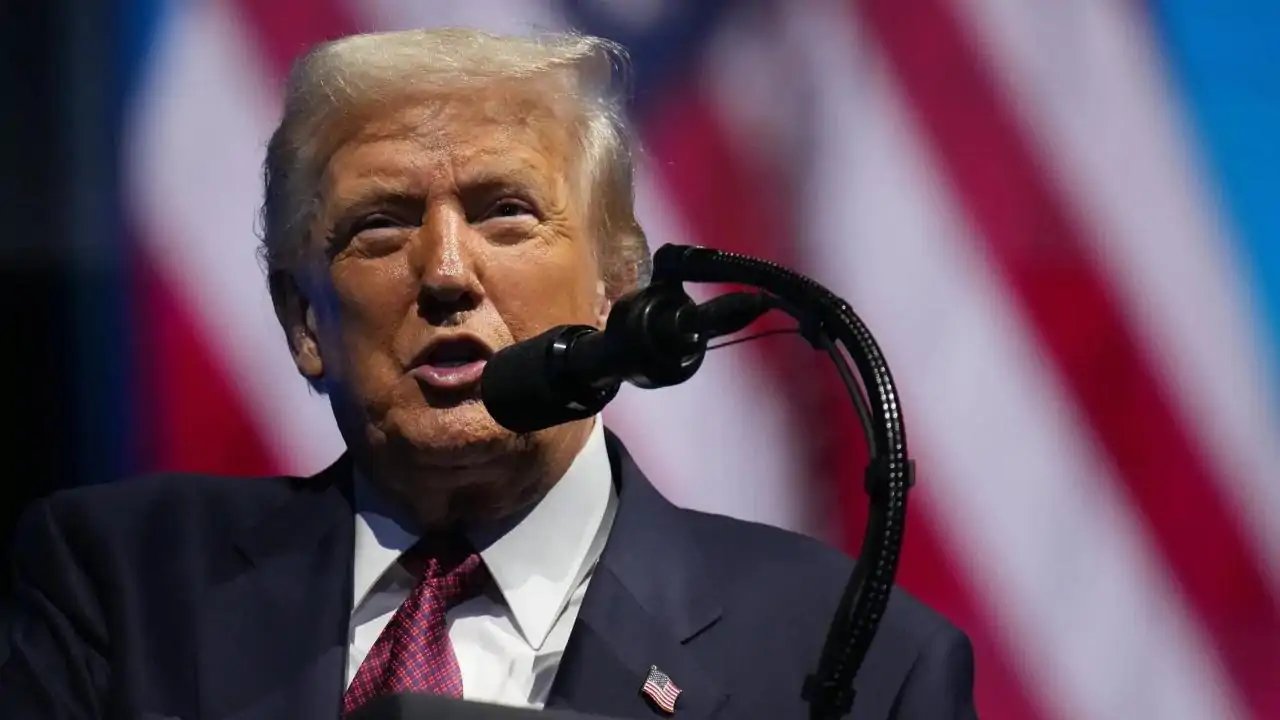
Donald Trump stood at the podium in the Oval Office on Tuesday, shrugging off questions about the timeline with a casual confidence that belied the year-long slog of negotiations. "They want to make a deal. We're going to make a deal. Pretty close, yeah," he told reporters, refusing to offer a specific date but insisting the structure would be unlike anything signed before. The President’s comment marked a distinct shift from the earlier ambiguity, signaling that the administrative hurdles are clearing.
The diplomatic groundwork for this final push was laid in New Delhi and Mumbai by Secretary of State Marco Rubio. Speaking alongside External Affairs Minister S Jaishankar, Rubio stripped away the usual diplomatic hedging. "We're very, very close. I would say we're about as close as you can be without having executed the agreement," he stated. He clarified that while the State Department does not handle trade specifics, its presence in India was a deliberate signal of high-level commitment to closing the remaining gaps.
The friction points are no longer broad ideological disagreements but specific, granular issues. For over a year, the two sides have wrestled with India’s continued purchase of Russian crude oil and the mechanics of market access. Commerce Minister Piyush Goyal’s recent meetings with US Trade Representative Jamieson Greer in Milwaukee and Washington were dedicated to these technicalities. The deal is now a matter of wrapping up these final items, not rebuilding the architecture.
Neither Washington nor New Delhi has announced a signing ceremony. The silence on a date suggests the final legal scrubbing is ongoing. But with the top officials from both capitals using nearly identical language about the deal’s proximity, the window for a public announcement is narrowing rapidly.