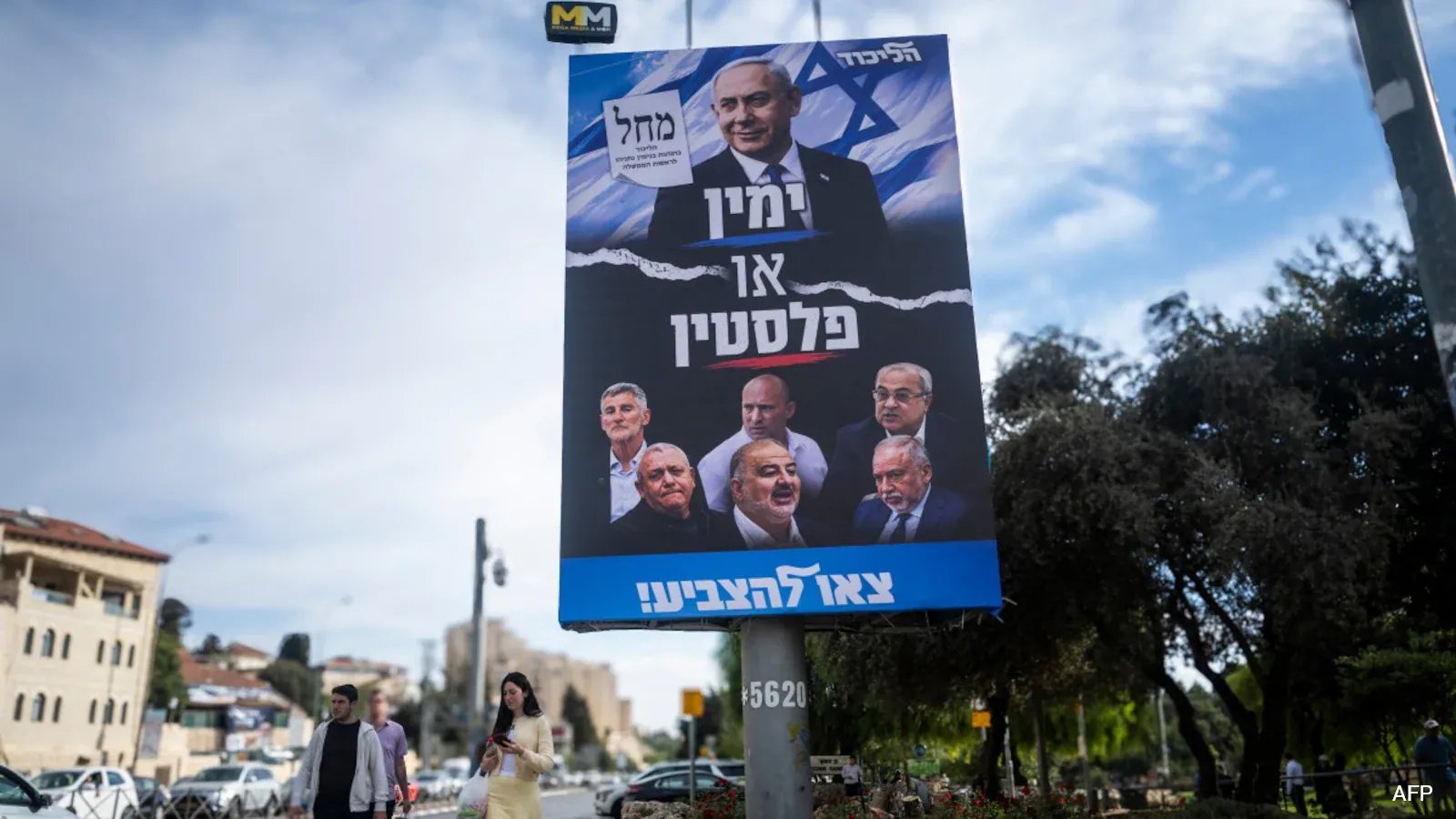
Israel's parliamentary election on Oct 27 has set the stage for a contest that could see Netanyahu recapture a 61‑seat majority, the threshold needed for a single‑party majority in the 120‑seat Knesset.
After the votes are tallied, President Isaac Herzog will consult party leaders and appoint a prime‑ministerial candidate. Negotiations can take weeks, as seen when Netanyahu took 58 days to form a government after the 2022 election, and will involve parties holding parochial interests that often destabilise coalitions.
If no bloc reaches 61 seats, lawmakers from the Arab minority could become kingmakers. Raam, led by Mansour Abbas, and the Joint List might together secure 12–14 seats, offering a safety net to any coalition that ousts Netanyahu. One Arab‑Israeli farmer said he hopes the election will bring more inclusive representation to his community.
A grand coalition between Netanyahu and former general Gadi Eisenkot, excluding ultra‑orthodox and far‑right allies, has been floated by commentators, with a 55% poll backing the idea. Herzog has reportedly been mediating behind the scenes to revive the 2020 rotation deal. A veteran soldier who served under Eisenkot said he would welcome a unity government if it brings stability.
Should all efforts fail, Israel's constitutional rules allow the president to call a fresh election within 28 days, potentially extending to 42 days. The country has already endured four elections between 2019 and 2021 due to coalition stalemates. A small business owner in Tel Aviv said she is tired of the repeated polls and hopes for a decisive outcome.