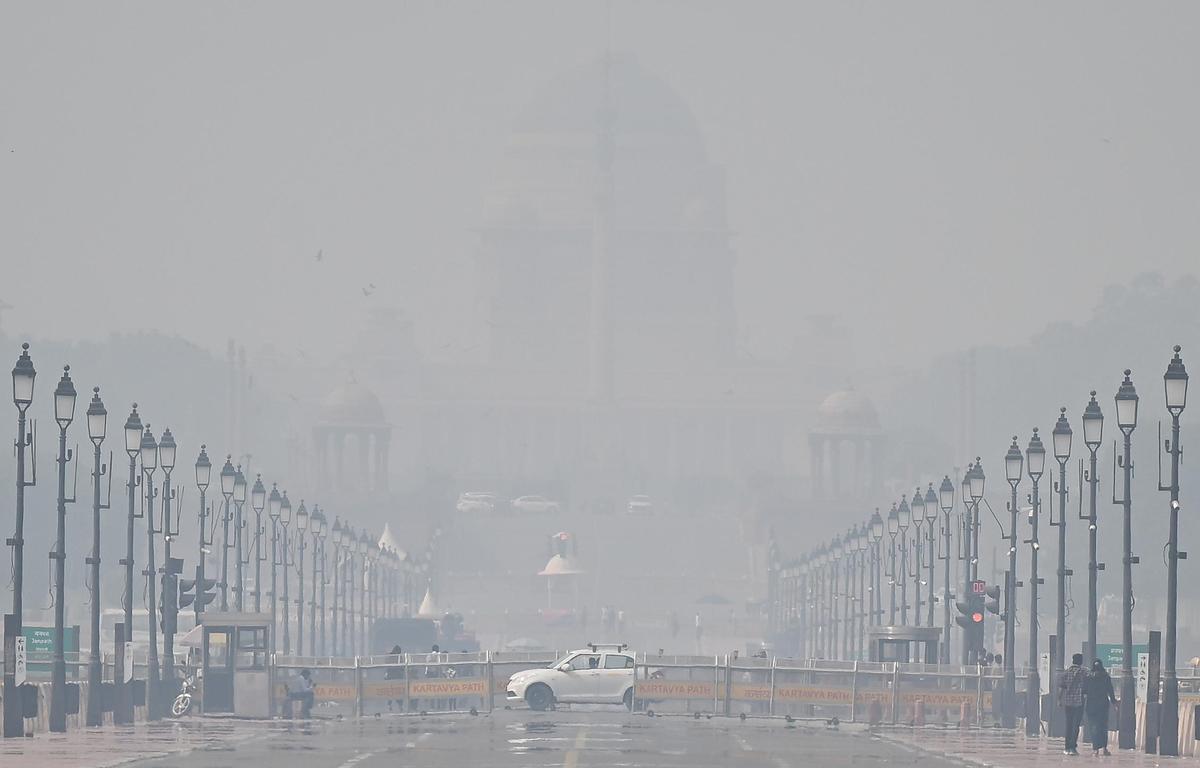
The skies turned grey overnight.
Dense, acrid smog settled across Indian metropolitan belts this week as Deepavali celebrations dumped massive volumes of firecracker particulates into stagnant winter air. Cities across the nation choked under hazardous Air Quality Index (AQI) readings, turning a festive tradition into an annual public health emergency. Cold air trapped heavy particulate matter close to the ground, leaving millions breathing toxic soot from Punjab to the eastern plains.
Breathing this air triggers immediate physiological stress. Microscopic particulates breach the lung barrier, slip directly into the bloodstream, and trigger systemic arterial inflammation. Health specialists warn that sudden spikes in fine particulate concentrations cause acute bronchospasms, aggravate asthma, and elevate immediate heart attack risks in vulnerable adults.
Judicial scrutiny escalated as the air deteriorated. The Supreme Court ruled that episodic festival firecrackers represent only one layer of Delhi's toxic atmosphere, ordering authorities to confront year-round vehicular emissions directly. Motor vehicles pump thousands of tons of nitrogen oxides and fine soot into city streets daily, sustaining elevated baseline toxicity long after festival crackers burn out.
| Air Pollution Driver | Institutional Assessment & Origin | Primary Pollutant Output |
|---|---|---|
| Deepavali Fireworks | Nationwide urban centers; severe post-festival AQI spikes | Fine particulates, heavy metal chemical residues |
| Vehicular Emissions | Flagged by Supreme Court in Delhi | Nitrogen oxides, persistent carbon soot |
| Regional Smog Dynamics | Cross-border air sheds (EPI 2026 rankings; archipelago haze) | Transboundary particulate drift |
Political pushback erupted alongside the environmental emergency. Senior Congress leader Ajay Maken questioned why the parliamentary standing committee on Home Affairs excluded air pollution from its official deliberation schedule, demanding immediate legislative accountability as capital monitors registered alarming toxicity markers.
Regional data highlights how entrenched the air quality struggle remains across South and Southeast Asia. Pakistan climbed 22 places in the 2026 Environmental Performance Index, yet chronic air pollution kept the nation pinned near the bottom tier of global rankings. Regional transboundary haze poses similar enforcement puzzles in Southeast Asia, where former Indonesian coordinating minister Agung Laksono previously navigated diplomatic friction over seasonal archipelago fires spreading smoke across international borders.
Yet for residents navigating toxic air on the street, immediate defense requires practical steps. When local monitors cross into hazardous zones, suspend outdoor morning jogs—rapid breathing pulls pollutants deeper into alveolar tissue. High-filtration N95 masks significantly reduce particulate inhalation during essential commutes, and anyone experiencing sudden tightness in the chest, persistent coughing, or severe wheezing should consult a physician immediately.