Dorset Wildlife Trust and Natural England purchased 335 hectares of chalk downland and farmland at Lyscombe in March 2024, a former organically managed farm located ten miles north‑east of Dorchester. The land, acquired through Natural England’s National Nature Reserves programme and its nutrient mitigation credit scheme, also received donations from Trust members and supporters—an alliance that tied the purchase to a wider effort to curb nutrient runoff into Poole Harbour.
The reserve’s legal status took shape on 17 August 2026 under the Wildlife and Countryside Act 1981, and the public ceremony followed on 15 September. Deputy Lord‑Lieutenant Jaqueline Swift, standing in for His Majesty the King, presented the plaque together with Tony Juniper, Chair of Natural England, while Lisbet Sherlock, Chair of the Dorset Wildlife Trust, and chief executive Brian Bleese received the certificate recognising Lyscombe’s new status.
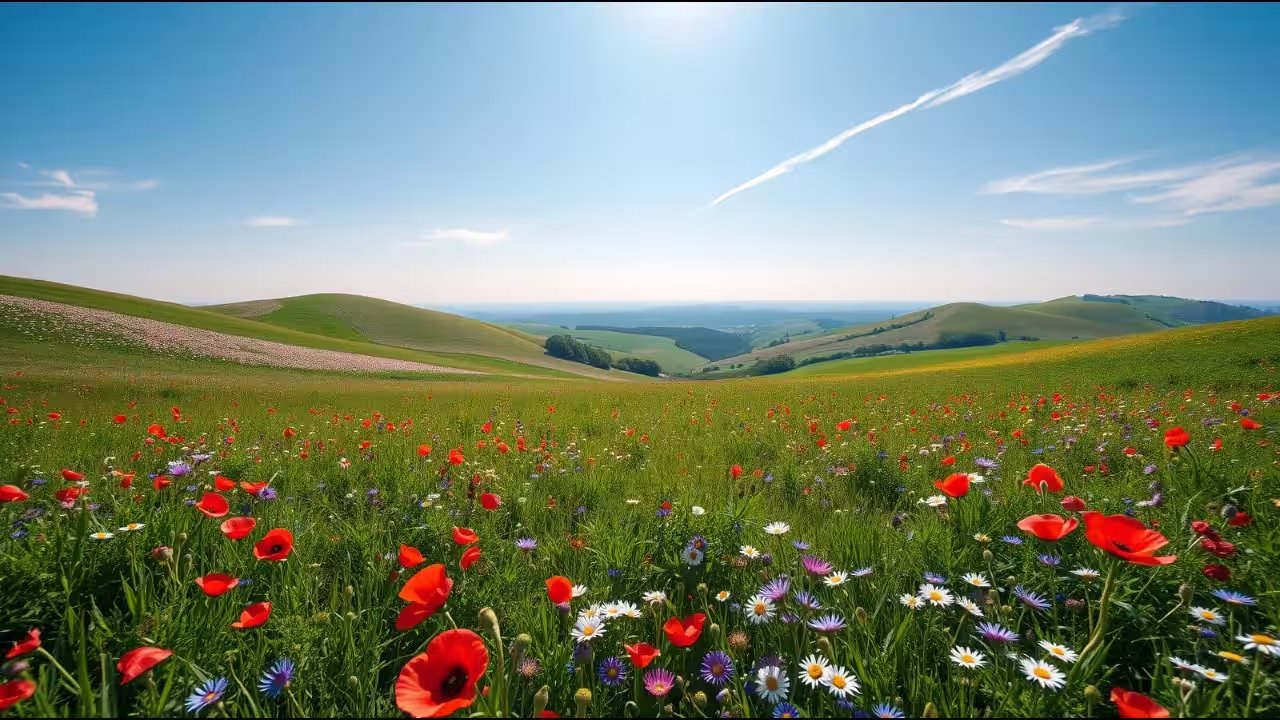
Lyscombe’s landscape is a mosaic of chalk grassland, wildflower meadows, scrub, ancient woodland and heritage sites. Fifty hectares of the chalk downland are a Site of Special Scientific Interest, and the site also holds SNiC status and several protected features, including the 12th‑century Lyscombe Chapel and the 16th‑century ruins of the Priest’s House.
Restoration work began before the reserve’s designation. The Trust removed 23 kilometres of outdated fencing, introduced English Longhorn cattle to the SSSI chalk grassland, and is using grazing to keep the habitat open and scrub‑free. In the valley, the Little Piddle stream—an 8‑km tributary of the River Piddle—is being reshaped, with concrete culverts removed and wetland and fen meadows created to lower nutrient inputs to the harbour.
Monitoring is underway across several fronts. Ecological, soil and hydrological surveys track invertebrates, small mammals, bats, breeding birds and flora; a 2025 partnership with the University of Southampton produced a 3‑D virtual tour of the reserve. Barn owls have returned since the acquisition, a sign of the small‑mammal resurgence the Trust attributes to the new grazing regime.
With the declaration, Lyscombe joins the King’s Series as the 16th National Nature Reserve. The trust will continue restoration and monitoring through the next decade, positioning the site as a flagship for habitat connectivity and nutrient mitigation across the 5,700‑hectare Dorset Downs landscape.