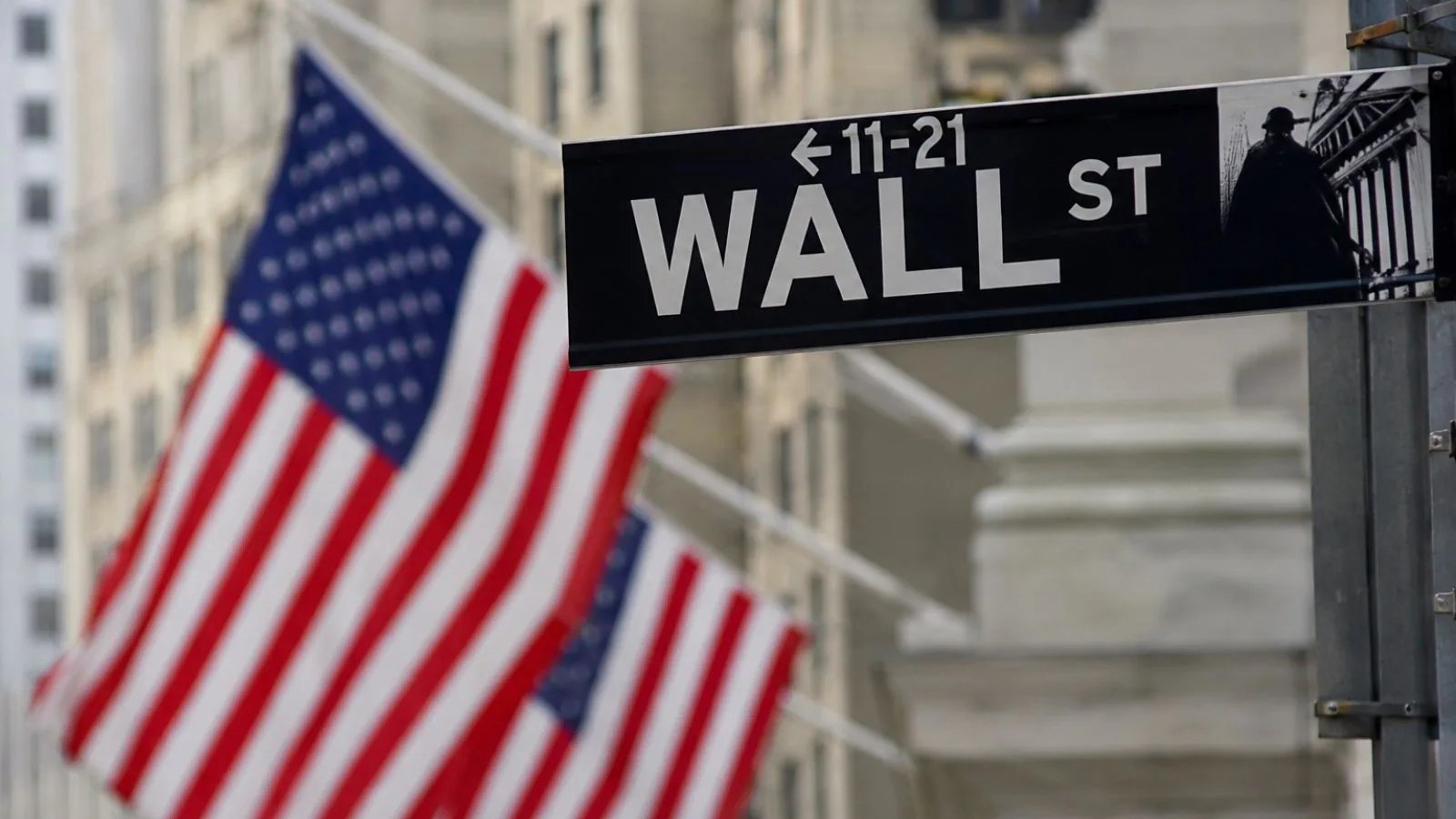
The dip-buyers returned to Wall Street.
The Nasdaq Composite climbed 1.9% on Friday, clawing back territory after plunging into formal correction territory during Thursday's brutal $2.3 trillion tech wipeout. The benchmark S&P 500 advanced 1%, while the blue-chip Dow Jones Industrial Average lagged behind, shedding 99 points, or 0.2%. Buyers zeroed in on beaten-down semiconductor leaders—pushing an index tracking major chipmakers up 6%—after a panic over data-center infrastructure spending sparked the worst single-day market rout in nineteen months.
The previous session was absolute carnage. On Thursday, the Nasdaq crashed 5.5% to settle more than 10% below its recent peak, while the S&P 500 tumbled 4.4% and the Dow surrendered over 1,800 points. The CBOE Volatility Index, Wall Street's fear barometer, had surged 70% to 28. Investors dumped artificial intelligence plays en masse following Democratic sweeps in key congressional and gubernatorial races, sparking sudden anxiety over potential regulatory curbs and spending freezes on AI infrastructure.
Bargain-hunters stepped into the wreckage early Friday, snapping up battered hardware plays. Micron Technology shares leaped 9%, shaking off a 17% beating absorbed the day before. Nvidia rose 3% after Thursday's 9% slide. Advanced Micro Devices and SanDisk also traded higher alongside the broader Nasdaq 100, which tacked on 2%.
| Index / Equity | Friday Move | Prior Session Move | Key Catalyst |
|---|---|---|---|
| Nasdaq Composite | +1.9% | -5.5% | Tech dip-buying post-correction |
| S&P 500 | +1.0% | -4.4% | Broad semiconductor rebound |
| Dow Jones Industrial Average | -0.2% (-99 pts) | -3.4% (-1,800+ pts) | Dragged by cyclicals |
| Micron Technology | +9.0% | -17.0% | Hardware recovery flow |
| Nvidia | +3.0% | -9.0% |
Strong macroeconomic data complicated the trading session. US employers added 165,000 nonfarm payroll jobs in October, beating consensus forecasts following upward revisions to the prior two months, according to Bureau of Labour Statistics data. The unemployment rate ticked down to 4.1%. Private-sector hiring accelerated across healthcare, manufacturing, and business services at the fastest pace since March.
Yet strong hiring carries rate risks. Short-term US Treasury paper came under pressure as traders ramped up bets that resilient consumer spending and firm labor metrics will prompt Federal Reserve policymakers to push through an interest-rate hike at their December meeting. Central bank officials, who raised borrowing costs in September before pausing in October, will parse one final employment report and October inflation data before convening for their year-end policy verdict.
| Rebound after AI spending fears |