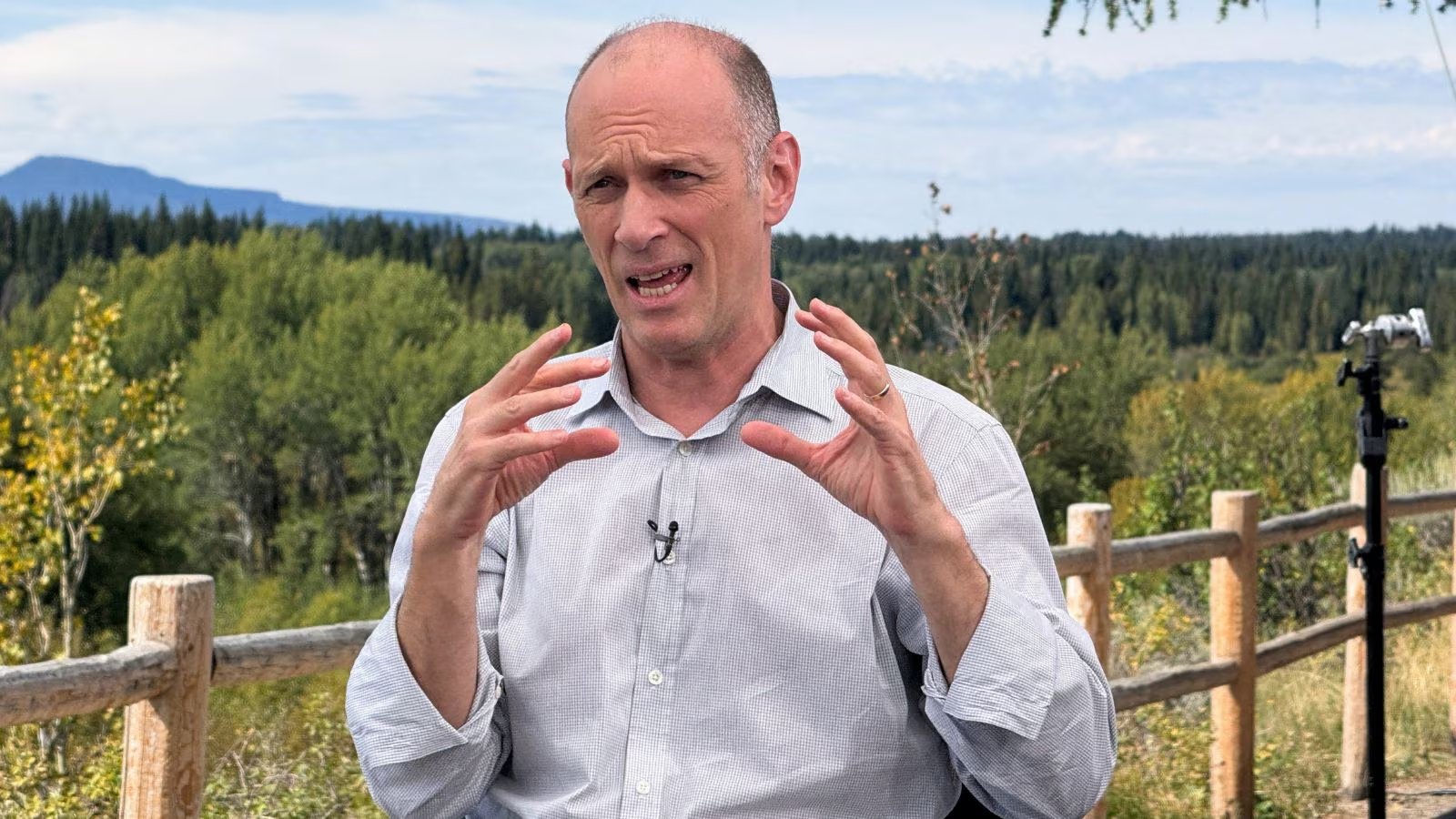
The inflation fight is failing. Federal Reserve Bank of Chicago President Austan Goolsbee warned Monday that unchecked artificial intelligence spending threatens to overheat the United States economy, urging central bankers to tackle persistent price pressures directly.
“We have got to come to terms with this cost side and inflation side failure in the mandate,” Goolsbee said at an event in Chicago.
The admission cuts through months of policy hesitation. Federal Reserve officials held interest rates steady last month after hiking borrowing costs in September—their first rate increase since 2023. Yet median projections published during that September meeting revealed that a majority of policymakers penciled in at least one more rate hike before year-end to drag inflation down toward their 2% benchmark. Inflation has now hovered above that target for more than five years.
Elevated energy costs stemming from the Iran war have seeped into transport, manufacturing, and core commercial operations. But raw commodity spikes tell only part of the story. Service-sector prices—insulated from tariff crosscurrents and fuel swings—continue to climb, locking high baseline costs into the real economy.
Capital expenditure on computing power has exacerbated the squeeze.
“And now this stuff with the AI data center build-out is, to my eye, starting to look more just like old-fashioned demand overheating,” Goolsbee said. He noted that monetary authorities historically must answer such overheating in an “aggressive” manner.
Labor market figures released Friday showed solid hiring across US industry sectors, disproving fears of an imminent recessionary break. Growth remains intact. But that stubborn domestic resilience leaves the Federal Reserve little room to ease financial conditions. While Goolsbee does not hold an active monetary policy vote this year—his rotation arrives in 2027—his assessment matches a growing bloc of officials arguing that supply shocks and capital surges demand higher terminal rates.