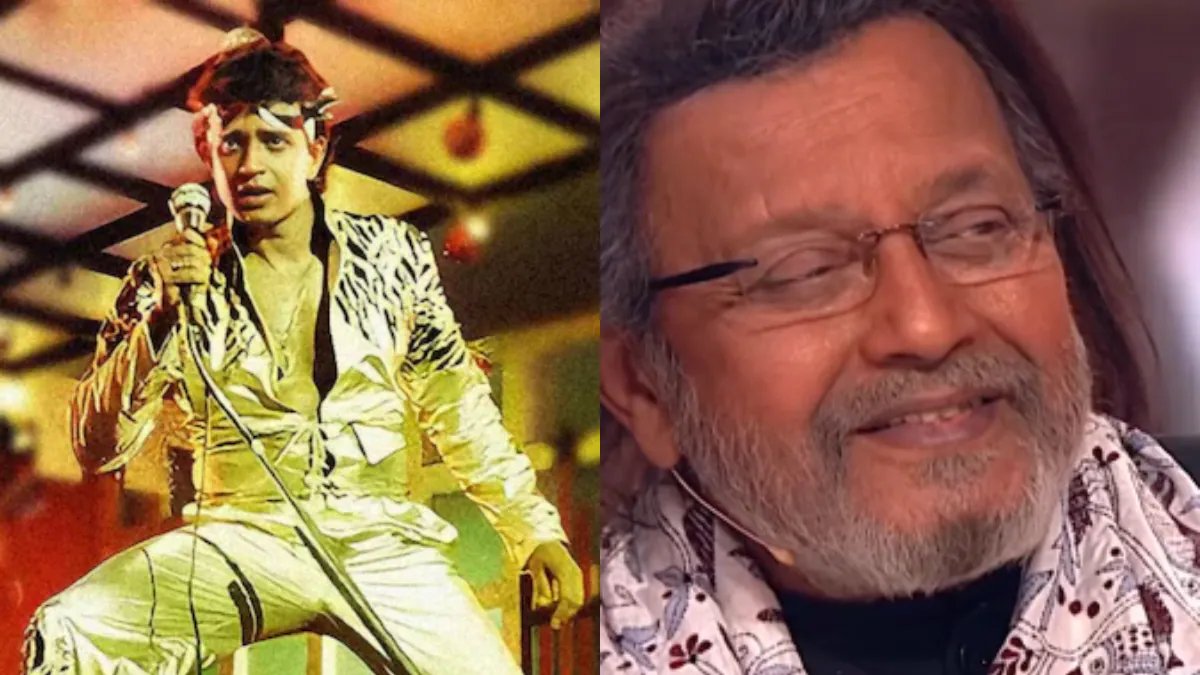
The moment the camera rolled, a familiar thump of disco bass cut through the studio air, and Mithun Chakraborty, still sporting that iconic grin, launched into 'Jimmy Jimmy' with the swagger that made 80s blockbusters feel alive again. The set of 'Privet, Andrey!' was buzzing not just with microphones but with the memory of a song that had once put Moscow on the dance floor.
Fans in the back row practically cried, waving their phones to capture the clip that would soon flood social media. One comment read, "My mum still tears up when Jimmy Jimmy comes on at family functions," a testimony that the song has been a cultural touchstone for generations. Another tweeted, "Before the USSR split, Disco Dancer was the No.2 biggest hit of all time there," reminding us that the film’s appeal was truly trans‑national.
Disco Dancer’s 1984 release in the Soviet Union catapulted it to the No.2 biggest hit that year, eclipsing even the state’s own blockbusters. It raked in 45 crore rupees in India, drew millions of Soviet viewers, and cemented Mithun’s status as a cross‑border icon, a fact that still surprises people who grew up watching the film on VHS.
The film’s triumph was more than numbers; it was a bridge between two worlds locked in Cold War politics. While Soviet screens were dominated by state‑approved dramas, an Indian musical with bright colors and infectious beats offered a taste of freedom that audiences craved. The soundtrack’s disco rhythms slipped past censorship lines and became a soundtrack for nightly dances and wedding receptions.
Now, as Russian pop charts re‑echo 'Jimmy Jimmy,' younger viewers are discovering the film’s legacy, and the clip has already prompted talk of a possible retrospective screening at the next Moscow International Film Week. The dance floor has once again opened up, proving that a single song can keep a cultural connection alive for decades.