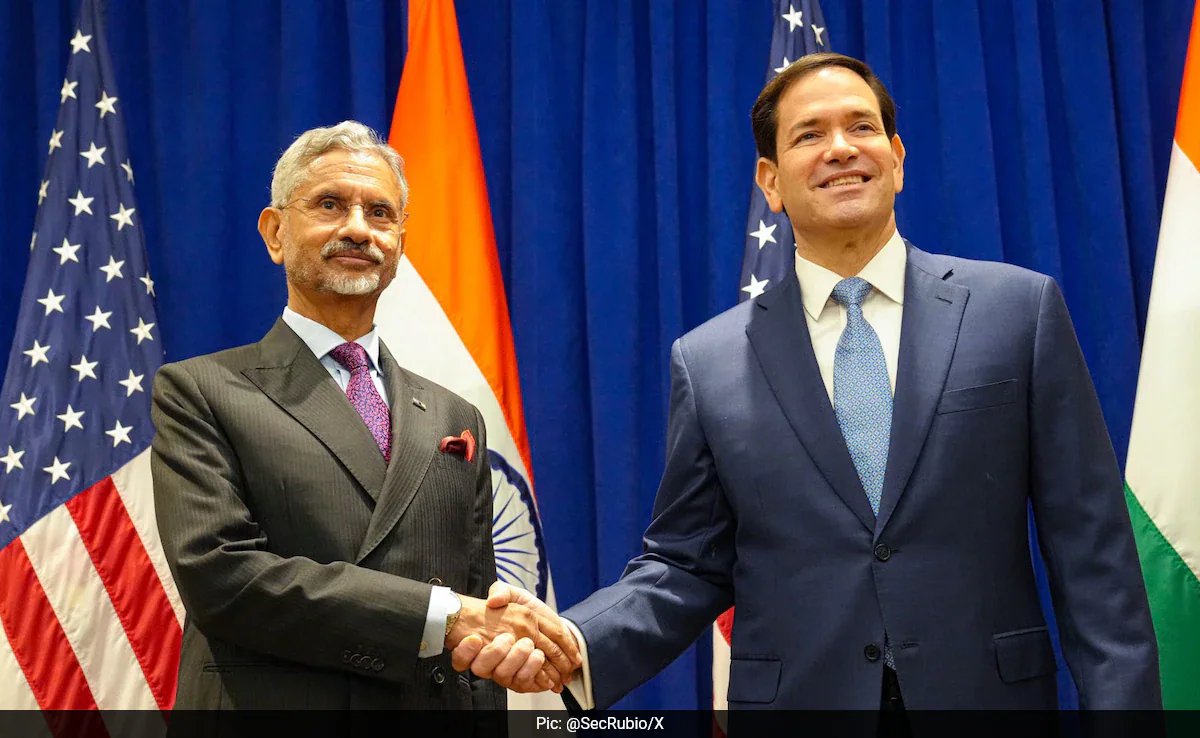
India’s External Affairs Minister S Jaishankar arrived in Mumbai on 20 October 2026, the same day he sat across from U.S. Secretary of State Marco Rubio to hash out a new chapter in the Comprehensive Global Strategic Partnership. The meeting followed a packed itinerary that also saw Jaishankar host UAE Deputy Prime Minister Sheikh Abdullah bin Zayed Al Nahyan and attend the 250th‑anniversary celebrations of U.S. Independence as a Guest of Honour.
The focus of the discussion was energy cooperation, a priority echoed by both sides. Jaishankar said the partnership would cover renewable projects, grid integration and joint research, while Rubio highlighted the U.S. commitment to supply clean‑energy technology to Indian power plants.
In Mumbai’s diplomatic corridor, MEA spokesperson Randhir Jaiswal confirmed that the talks would pave the way for a new joint working group on energy initiatives. “We expect the working group to be launched in early 2027,” Jaiswal added, stressing that the group would oversee project approvals and funding mechanisms.
US envoy Sergio Gor, speaking at the Bloomberg New Economy Forum, said Rubio would also meet Indian officials in Jamnagar where the U.S. has a marine‑fuel research facility. “The dialogue is part of a broader strategy to align U.S. and Indian leadership on climate and security,” Gor told reporters.
For a Mumbai shopkeeper who sells spices near the airport, the visit means potential new markets. “If the U.S. partners bring more tourists, our little stall could get a lot more customers,” he said, his eyes reflecting the buzz of international diplomacy.
The next concrete step will be the inaugural meeting of the energy working group, scheduled for 12 January 2027, where officials will review project proposals and secure funding agreements. This marks the first formal mechanism for joint energy ventures between India and the United States in almost a decade.