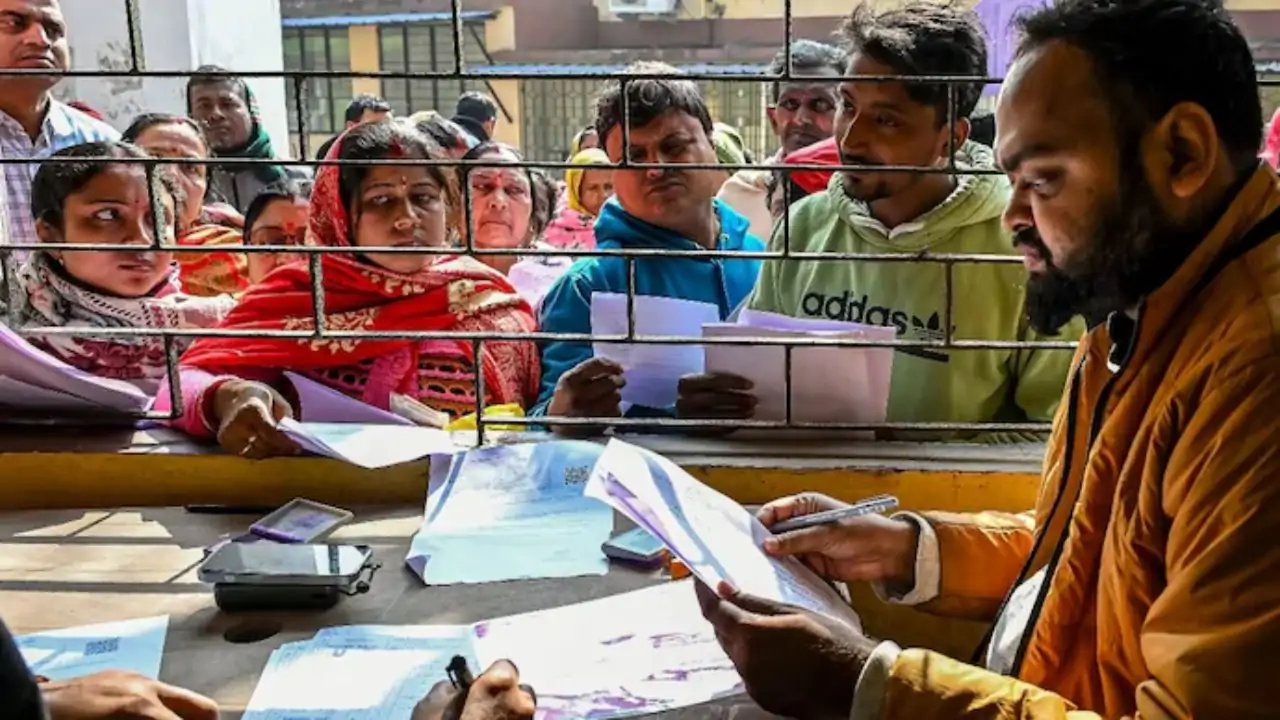
The Special Intensive Revision in Delhi has now cleared more than 20 lakh notices, a figure that makes up over 60% of the 33 lakh notices flagged for discrepancies. Verification efforts sped up after September 29 when officials introduced on‑site document collection and streamlined hearing procedures, helping to close the backlog.
Punjab, meanwhile, released its final assembly roll on October 12, listing 2.01 crore electors across 117 constituencies. The count is 3.64% higher than the draft roll and 13.6 lakh lower than the pre‑SIR electorate, a drop attributed to deaths, migration and duplicate entries, the Election Commission said.
In Karnataka, the High Court has stayed further investigation into BJP leader Ravi Basalingappagowda Patil over alleged bulk Form 7 submissions targeting 198 Muslim voters in Belagavi. The interim order keeps the case on hold until a hearing scheduled for October 29.
Goa’s Bombay High Court reserved its verdict on a petition where six family members were omitted from the roll after their Form 8 address‑change requests were rejected. The court is weighing the Election Commission’s stance that such omissions must be addressed through Form 6 in the claims‑and‑objections process.
Andhra Pradesh began door‑to‑door re‑verification on October 8, covering 44.89 lakh electors marked as absent, deceased or duplicate, and 1.73 lakh found ineligible. The state has directed officials to help those left out of the roll apply via Form 6 before the final roll is published on October 16.
Mizoram launched a special enrolment drive on October 8 to rescue voters missed in the September 7 roll, while Odisha’s three‑day drive from October 7 to 9 gathered 33,515 Form 6 applications, including 1,448 from voters erroneously omitted. More than 26,000 camps were set up, and booth officers are continuing outreach through the month.