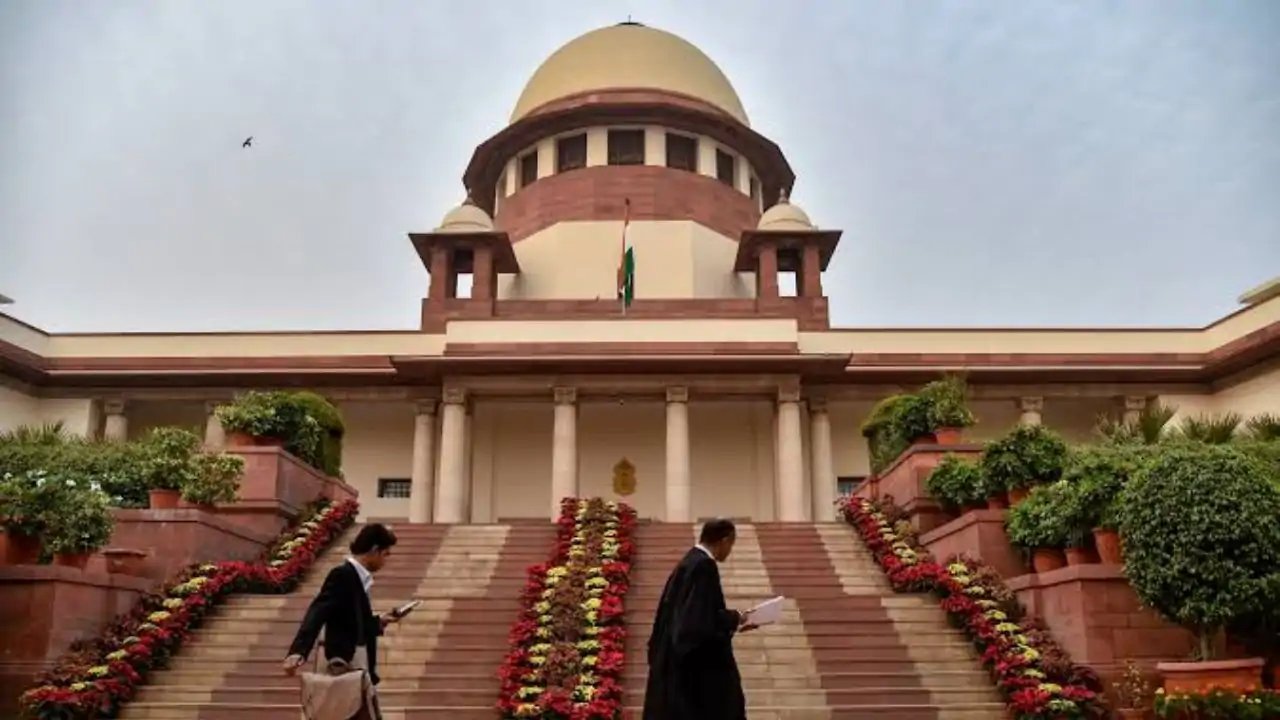
Tamil Nadu’s legal team struck hard before a Supreme Court bench on Thursday, accusing Karnataka of hoarding the Cauvery river’s entire flow. Senior advocate CS Vaidyanathan, representing the state, told Justices Vikram Nath and Sandeep Mehta that the state had lost its Purvai crop—a late Kharif harvest—due to severe water scarcity. “I just get 50.5%. I am not getting that,” Vaidyanathan stated, emphasizing that the state was merely seeking enforcement of the existing water-sharing award.
The numbers in dispute are stark. Tamil Nadu claims a deficit of approximately 20 TMC (thousand million cubic feet), while Karnataka counters that the shortfall is only 16 TMC. Vaidyanathan argued that regulatory bodies like the Cauvery Water Management Authority (CWMA) had failed to address the accumulated shortfall. With the monsoon receding, he warned that any further delay would crush the remaining agricultural cycle.
Karnataka’s counsel, Senior Advocate Shyam Divan, pushed back firmly. He cited the state’s ongoing drought and argued that the CWMA, as an expert body, was already monitoring the situation. Divan noted that Karnataka had released around 6,000 cusecs of water and pointed out a critical climatic factor: the southwest monsoon was over for Karnataka, whereas Tamil Nadu would soon benefit from the northeast monsoon. He urged the court to respect the CWMA’s periodic assessments rather than intervene directly.
The dispute escalated after the CWMA upheld a recommendation for Karnataka to release 6,000 cusecs for 15 days. Tamil Nadu, unsatisfied with the pace of release, approached the Supreme Court for immediate enforcement. The bench acknowledged that the core grievance was the accumulated deficit, not just the latest daily release. The court requested detailed data on the shortfall to make an informed decision.
The battle continues. The Supreme Court will now scrutinize the data on the 20 TMC versus 16 TMC deficit claim. A ruling on this enforcement plea will determine whether Karnataka must accelerate its water release, a decision that could dictate the survival of Tamil Nadu’s remaining crops before the northeast monsoon arrives.