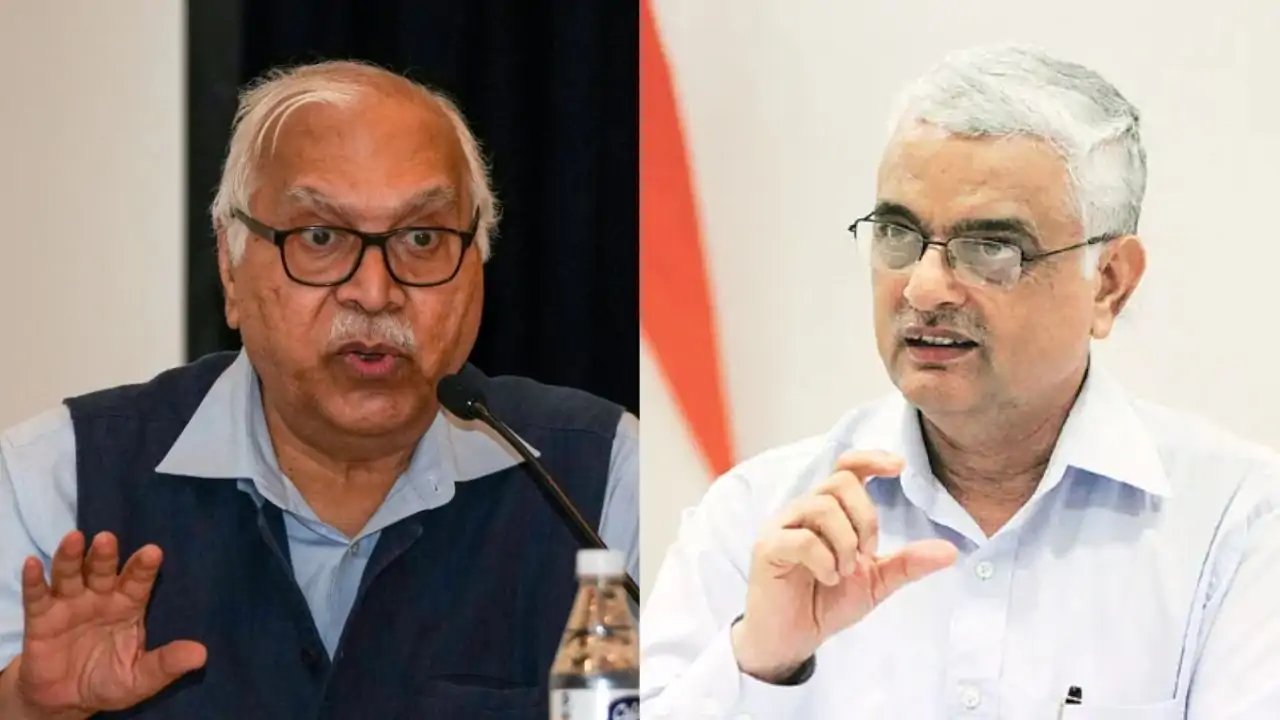
Former Chief Election Commissioner OP Rawat has labeled the reported internal discord within the Election Commission of India “very serious” and “unfortunate.” He specifically targeted the modification of Form 6, the document new voters use to register, calling the reported alteration “absolutely wrong and illegal.” Rawat argued that during his tenure, the Commission operated on consensus, making the current procedural shifts a cause for deep alarm.
The legal footing of these disputes centers on Section 18 of the Chief Election Commissioner and Other Election Commissioners Act, 2023. Former CEC SY Quraishi pointed to this provision to argue that if two Commissioners were kept in the dark, the resulting orders were not decisions of the Commission at all. He stressed that the ECI is a three-member constitutional body, not a one-man show, and that the centralization of electoral-roll data requires urgent scrutiny.
The tension stems from a report alleging that Commissioners Sukhbir Singh Sandhu and Vivek Joshi recorded objections 14 times over 10 months. These disputes covered critical areas including voter deletions, digital database handling, and the Special Intensive Revision (SIR) of electoral rolls. Sandhu and Joshi reportedly argued that Form 6 could not be altered through SIR instructions without first amending the relevant rules.
In response, the Election Commission has dismissed the narrative of an internal rift. Officials stated that written observations and differing views are standard parts of their deliberative process. They maintained that despite the recorded objections, all final decisions regarding the SIR and other electoral roll matters were ultimately unanimous.
Former CEC TS Krishnamurthy added a procedural caution, urging the Commission to balance roll cleaning with voter safeguards. He emphasized that voters must have adequate time to redress grievances before final deletions occur. The next phase of the SIR exercise will proceed, but the legal validity of orders taken without full consensus now faces potential judicial scrutiny.