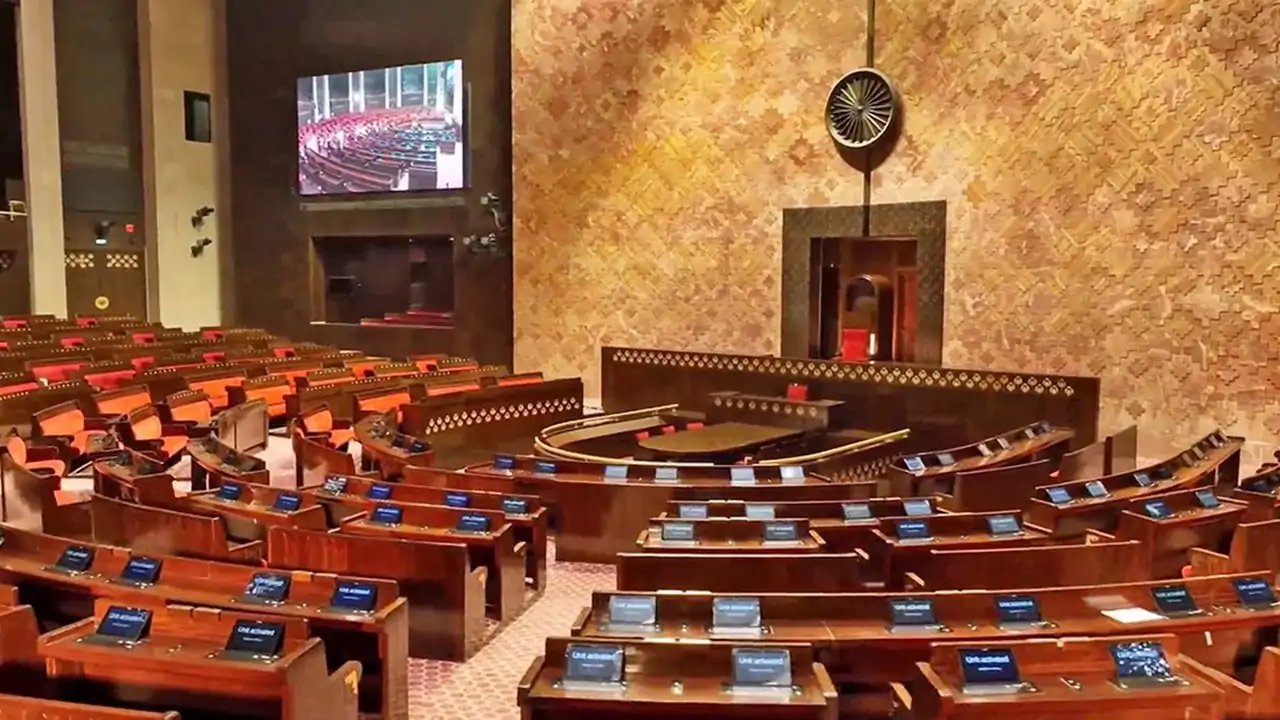
The Association for Democratic Reforms (ADR) and National Election Watch (NEW) released a stark report on November 28, 2026, revealing that 72 of the 230 analyzed sitting Rajya Sabha MPs have declared criminal cases against themselves. That is 31% of the chamber. Within that group, 37 MPs—16% of the total—have declared serious criminal offenses. The analysis came from the electoral affidavits of 230 out of 233 members, with three affidavits unavailable for review.
The data breaks down grimly. One MP declared a murder charge under IPC Section 302. Four others declared cases of attempt to murder under IPC Section 307. Another four MPs disclosed cases involving crimes against women. These are not minor infractions. They are serious allegations that sit comfortably in the upper house of India’s Parliament.
Party-wise, the numbers vary but the pattern persists. Among the 111 BJP MPs, 31 (28%) have declared criminal cases, while 15 (14%) have declared serious ones. In the Congress party, the proportion is higher: 12 out of 29 MPs (41%) have criminal cases, and eight (28%) have serious cases. Smaller parties show even starker ratios. All three BRS MPs and all three CPI(M) MPs have declared criminal cases. Three out of four TDP MPs (75%) and two out of three RJD MPs (67%) have also disclosed criminal records.
The financial profile paints an equally revealing picture. Thirty-two Rajya Sabha MPs—14% of the analyzed group—are billionaires, with declared assets exceeding ₹100 crore. Six Congress MPs (21%) and seven BJP MPs (6%) fall into this category. But the proportion is even higher in smaller parties: two out of three BRS MPs (67%) and half of the TDP, YSRCP, and NCP MPs have assets in this bracket. The report offers no commentary beyond the numbers, but the data stands as a blunt snapshot of who currently holds legislative power in India’s upper house.
The next step? ADR and NEW will likely release similar analyses for the Lok Sabha and state assemblies, continuing their long-running effort to track the criminal and financial backgrounds of Indian politicians. The report itself is now public, and political parties are expected to respond. But the numbers are already in. They don’t need commentary to be understood.