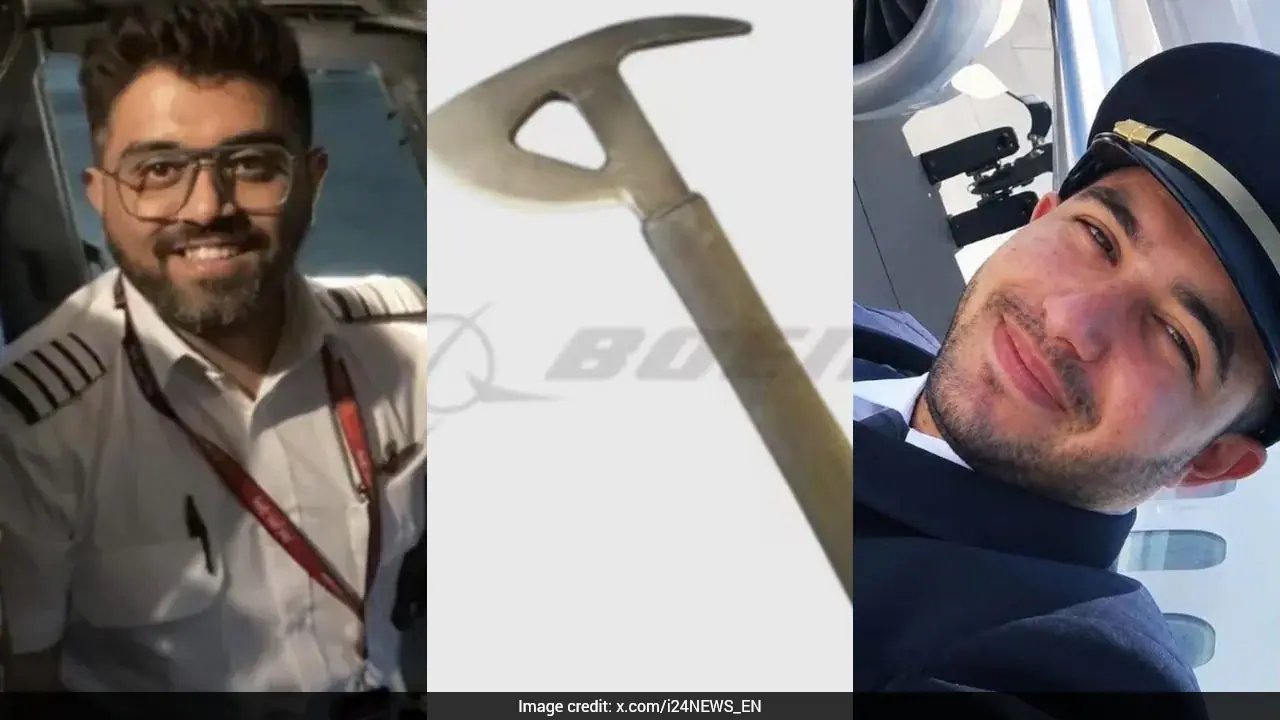
Captain Smit Machchhar sat across from Benjamin Netanyahu with a fractured skull and a story that defies typical aviation protocols. The flydubai pilot, who survived an alleged hijacking attempt, detailed the precise moment the interior of the cockpit turned hostile. He told the Israeli Prime Minister that the flight to Israel began with standard procedures, his co-pilot engaged in prayer—a routine practice among many local crew members that Machchhar respected by facing forward.
Then the silence broke.
"Suddenly, after about four-five minutes, there was a big blow to the back of my head," Machchhar recounted. His initial instinct, grounded in years of emergency training, was to assume the aircraft had suffered catastrophic structural damage. He scanned instruments, expecting fire or hydraulic failure. Instead, the second blow landed.
"Blows kept coming, one after the other," he said.
That rhythm shifted his perception instantly. It wasn't the plane failing; it was the human element. Machchhar realized the threat was seated right beside him, in the co-pilot’s seat, actively attacking him to wrestle control of the aircraft. The cockpit, usually a sanctuary of sterile precision, had become a confined combat zone.
Machchhar, now seriously injured, fought off the assault to maintain control of the flydubai jet. The incident underscores a specific vulnerability in the security protocols for flights targeting Israel, where crew vetting and inter-cockpit trust are paramount. Netanyahu’s direct briefing with the survivor signals Israel’s intent to scrutinize the operational security gaps that allowed a co-pilot to initiate physical violence during a critical phase of the journey.
Authorities are expected to review the cockpit voice recorder and security logs from the flight to determine the co-pilot’s motive and the extent of the hijacking attempt. The outcome of this investigation will determine whether broader changes are mandated for Israeli-bound international flights, particularly regarding the physical separation or monitoring of crew members during pre-flight and initial ascent phases.