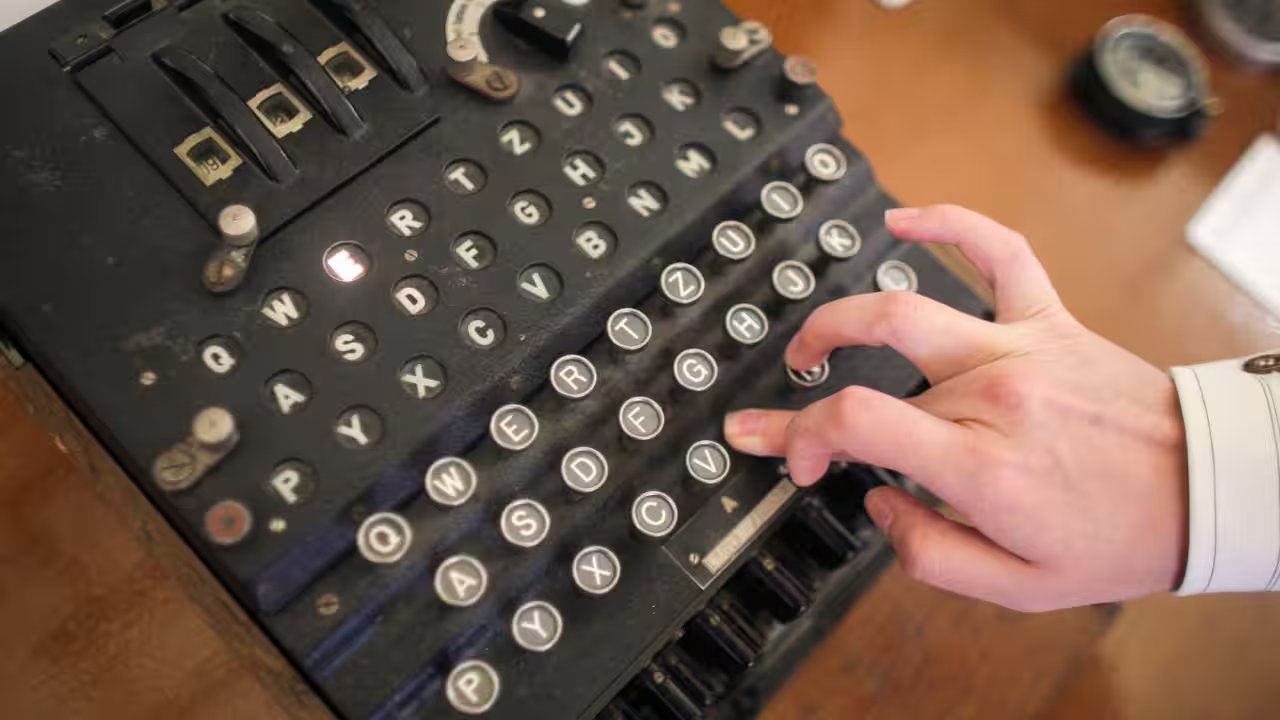
The machine, a 1941 German Enigma I, had slipped past a Bucharest flea‑market vendor who mistook it for a typewriter. When the cryptographer—known for his work on WWII code‑breaking—purchased it for €100, he immediately understood its true nature. He then cleaned and repaired the device before sending it to Artmark for auction.
Artmark listed the machine with a €9,000 reserve, citing its near‑perfect condition. Bidders from across Europe and beyond entered the room, and a single online participant closed the sale at €45,000, a 450‑fold increase over the original price.
Enigma machines were the backbone of Nazi Germany's encrypted communications, and their cracking by British codebreakers at Bletchley Park is credited with shortening the war by two years. The device’s rotors and plugboard configuration made it a formidable cipher until the Allies' systematic decryption. Its survival in Romania—a former Axis ally until 1944—adds a layer of intrigue.
With the auction concluded, the machine was sold for €45,000, setting a new benchmark for WWII artifacts, and the device now resides with its new owner.