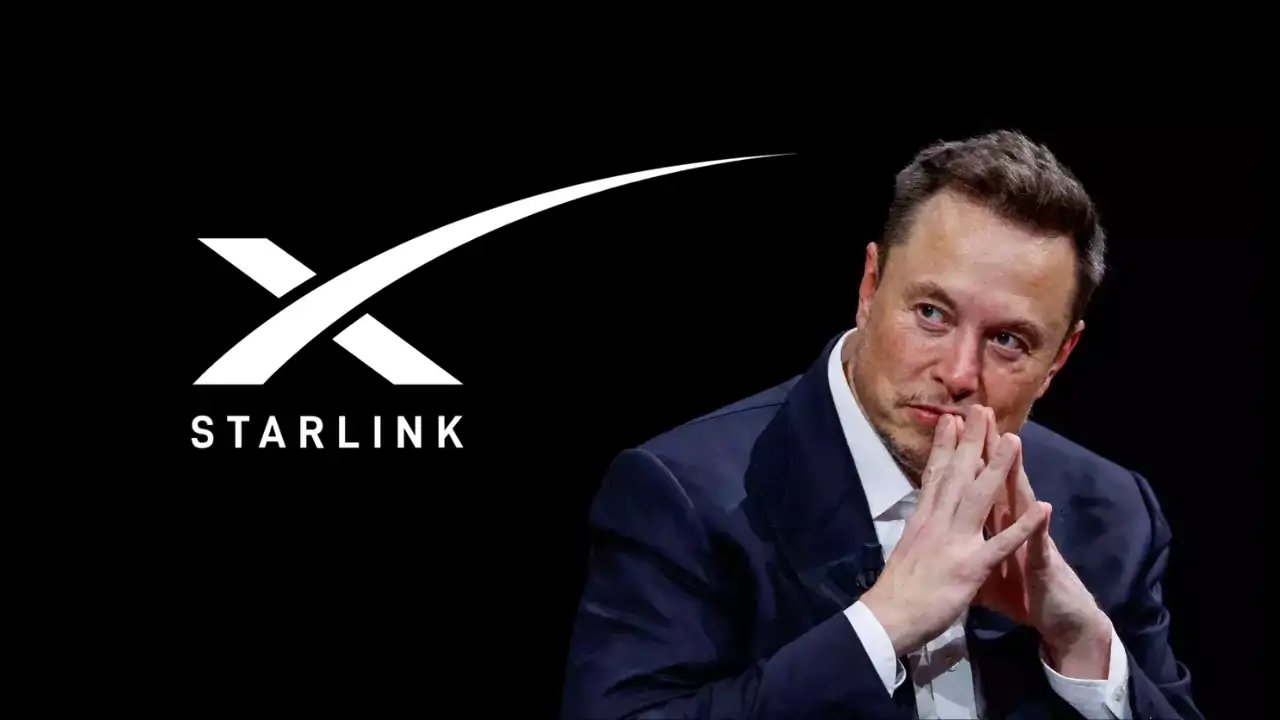
Elon Musk escalated his public campaign against Reliance Industries on Friday, addressing Mukesh Ambani as "Prime Minister Ambani" in a post on X. The Tesla and SpaceX CEO framed the comment as a sarcastic apology for not realizing Ambani's dominance over the Indian market, a move that immediately drew scrutiny to the regulatory hurdles facing Starlink's entry into the country.
The jibe targets a specific complaint: the lack of competition in India's satellite internet sector. Musk argued that Ambani prefers to maintain what he called a "monopolistic exploitation" of the Indian people. By blocking Starlink, the post suggests, the Indian government—implicitly led by Ambani's influence—is denying connectivity to rural areas and underserved communities. This is not the first time Musk has taken a swipe at the Reliance chief, but this post added a layer of political mockery that distinguishes it from standard business lobbying.
Musk positioned Starlink not just as a commercial competitor, but as a public utility with life-saving capabilities. He highlighted the service's role in disaster response, noting that satellite constellations remain operational when terrestrial infrastructure fails. "Starlink has proven to be essential for saving lives during natural disasters throughout the world," he wrote, directly linking the company's technology to the safety of "men, women and children throughout India." The argument appeals to a broader national interest, suggesting that blocking the service is a humanitarian failure, not just a market decision.
The business implications are stark. Starlink, operating from low Earth orbit, offers a path to internet access in regions where laying fiber or building cell towers is economically unviable for traditional telecom operators like Jio, Reliance's flagship brand. For small businesses and students in remote areas, this gap represents lost economic opportunity. Musk’s post forces a public reckoning on why a market with such high potential for digital inclusion remains closed to a major global player.
The next move lies with India’s telecom regulator and the government. As the rivalry between Ambani and Musk intensifies on social media, pressure mounts on New Delhi to clarify its stance on foreign satellite broadband operators. The outcome will determine whether India becomes the next major market for direct-to-device satellite internet or remains a walled garden for domestic giants. The regulatory decision is expected to hinge on national security concerns and the balance between promoting competition and protecting domestic infrastructure investments.