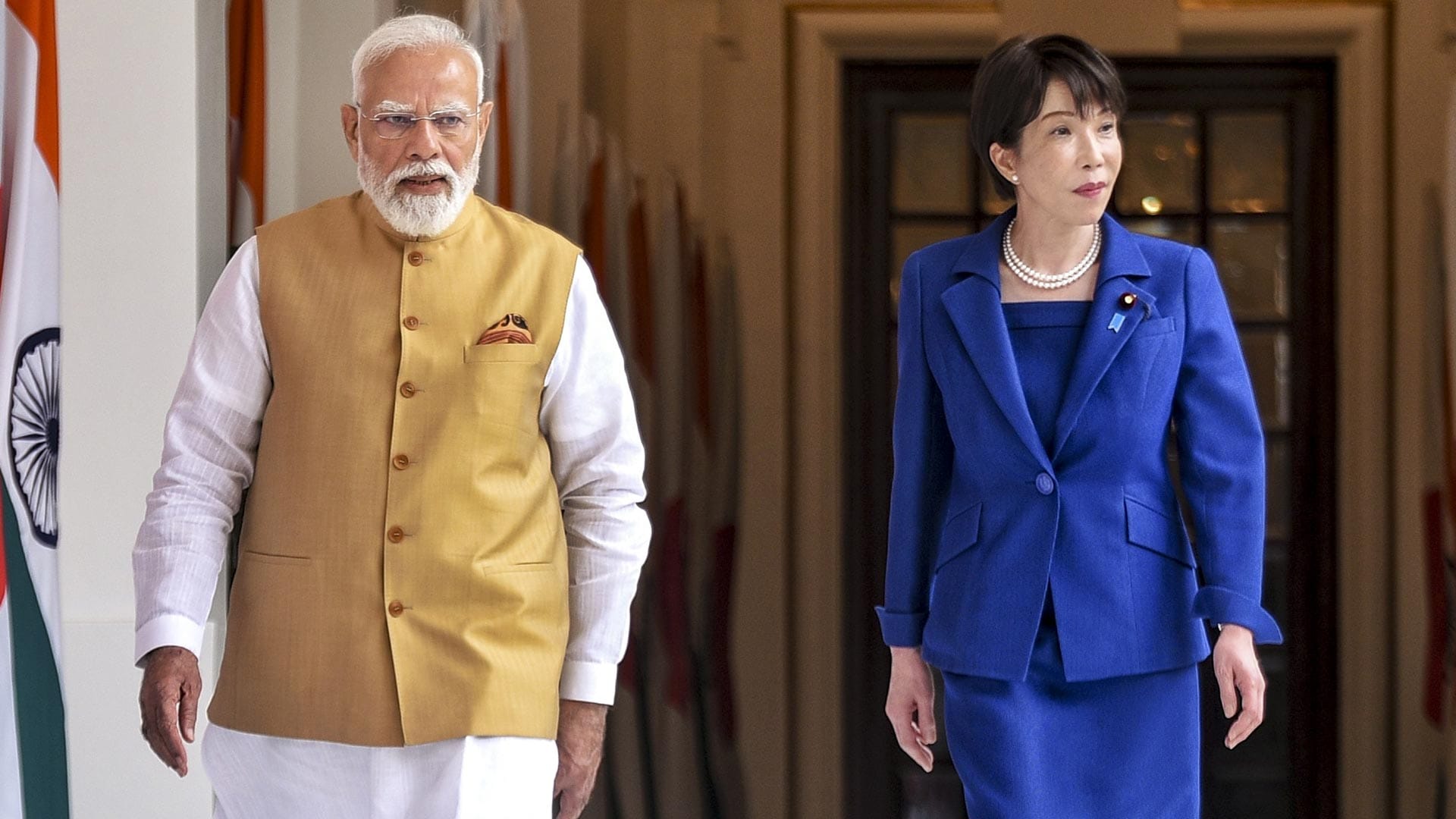
Japan’s latest pledge follows a decade‑long trend of steadily rising FDI, with the country pouring roughly ₹3.5 lakh crore (₹350 trn) into India’s economy between 2000 and 2025. The figure comes on the heels of a record 1,460 Japanese firms, from automotive giants to rail‑infrastructure players, anchoring the bilateral trade relationship. Yet the $48 billion spent on India lags behind the $98 billion invested in China, according to the panel.
Mitsui’s senior executive said the gap reflects a still‑nascent Japanese investment culture in India, citing the need for both governments to co‑create a more conducive climate. He warned that without deeper engagement, the projected $100 billion could stall, noting that India’s bureaucratic bottlenecks have historically delayed project timelines by 18 months on average.
The earmarked capital will focus on electric‑vehicle (EV) assembly lines, battery‑cell manufacturing, and renewable‑energy projects such as solar farms and compressed biogas plants. Sumitomo’s spokesperson highlighted that India’s energy security narrative aligns with Japan’s strategic push for clean‑technology exports, and that the company is already active in the country’s city‑gas and biogas sectors.
To accelerate delivery, the joint committee will draft a ‘One‑Stop‑Shop’ for Japanese investors, streamlining land acquisition and permitting. The first tranche of the investment, slated for 2027, will trigger a formal memorandum of understanding between the ministries of Finance and Commerce in both countries.