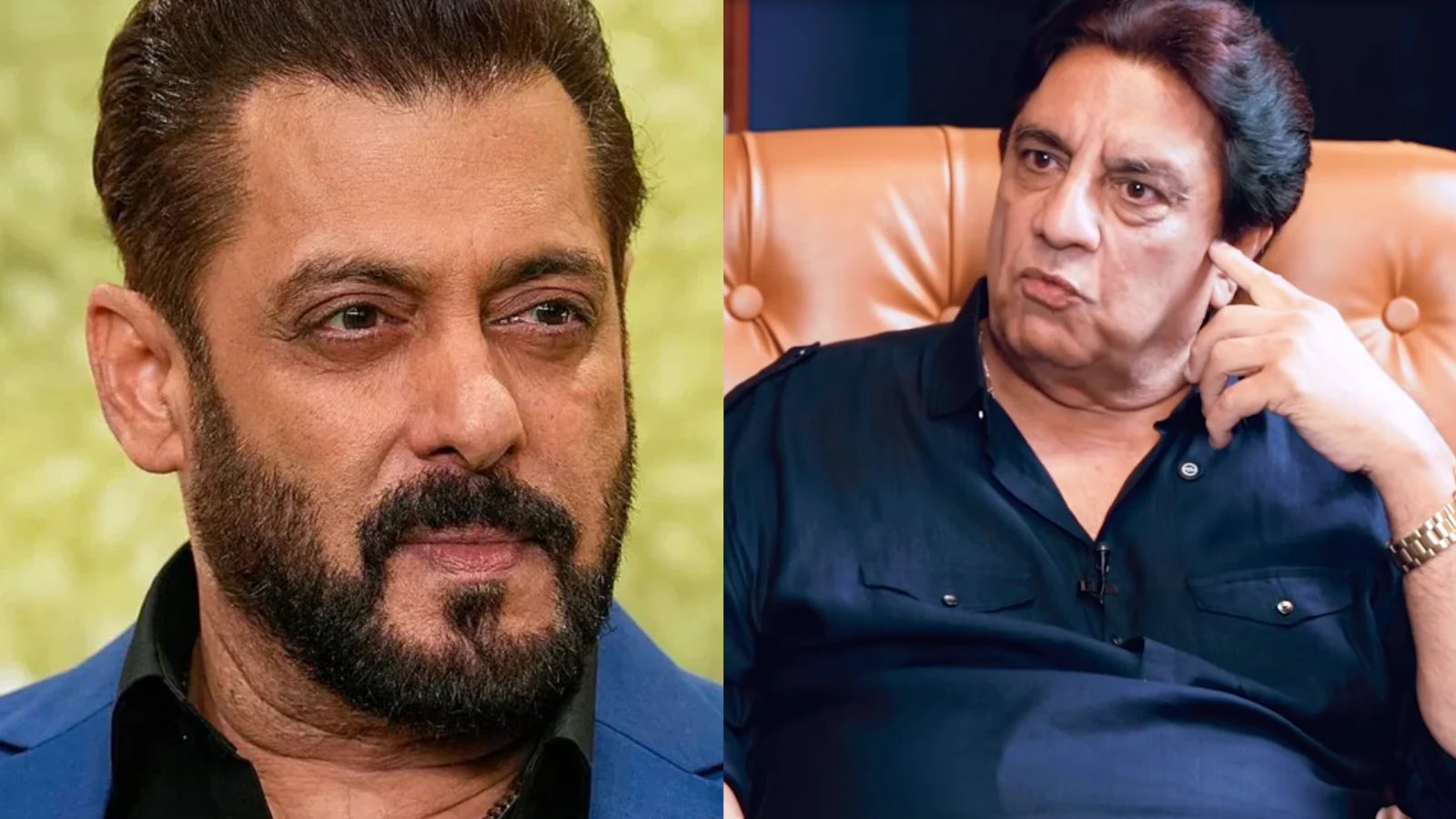
Deep Dhillon remembers the late‑night jungle of Antop Hill, where he and a handful of local fighters ran the streets after shooting for ‘Joshile’. He was sleep‑deprived, the crew’s pack‑up stretching to 2 a.m., and the only escape was a walk along the beach, where the pale moonlight painted the night like a silent stage.
It was there, amid the clatter of horses and the murmur of actors, that he first locked eyes with a lanky young man who had the swagger of a future star. The boy, later to be known as Salman Khan, was already driving a Mercedes‑banged‑up luxury car, a sight that made Deep’s pulse skip a beat. ‘Where do you stay?’ the youngster asked, offering a lift to Bandra station, and the name Salim Sahab slipped out, revealing the Khan family’s privilege.
Years later, Dhillon’s own path intersected with the Bombay film machine. He’d been an assistant to Suraj Barjatya when a door opened: a role in the Rajshri classic ‘Maine Pyar Kiya’ that would become Salman’s breakout lead. When Dhillon was told the part was a truck driver, he half‑joked that it sounded like a non‑acting gig. Barjatya, however, insisted his rugged look was perfect for the road‑tripper on screen.
The negotiation over pay was another chapter. Dhillon was ready to take a modest fee, but the producer offered less, citing the film’s tight budget. Yet the star‑making role and the chance to work with a director like Barjatya convinced him to settle for the agreed sum, a decision that would later pay off when the film broke box‑office records.
Today, fans remember the film’s 1989 triumph as the highest‑grossing Indian release that year, and the story of Dhillon and Khan adds an extra layer of Bollywood folklore. It’s a reminder that the city’s streets can be a launchpad, and that a single lift can lead to a lifetime of roles.