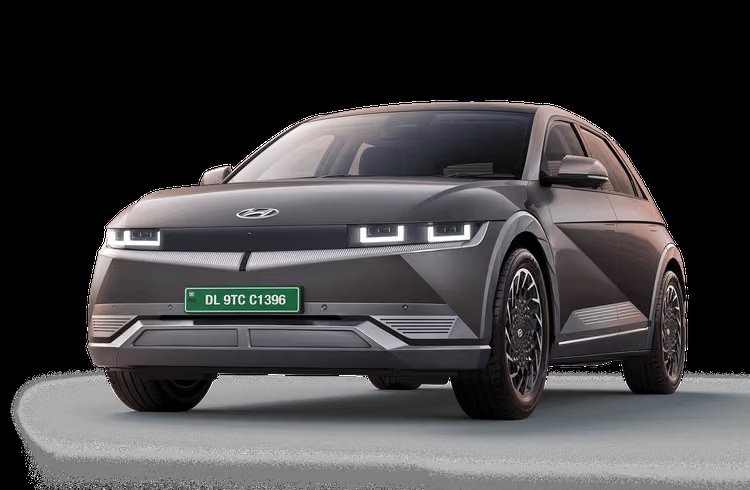
The Ioniq P will slot between the existing Creta Electric and the upcoming Bayon, aiming for a city‑centric design that balances space and efficiency. It will start life with imported battery cells until local production ramps up with Exide Industries, a partnership that promises to lower costs as volumes climb.
India’s EV sales surged almost 90% in FY27, putting pressure on makers to widen their ranges. Hyundai plans to lift its own EV penetration to the industry average by 2028, and the Ioniq P is the linchpin of that strategy.
Exact power output and range are still under wraps, but insiders say the Ioniq P will sit below the Creta Electric in pricing and energy capacity, targeting first‑time EV buyers who need a budget‑friendly SUV.
The model is already on the PLI roster, just like the Creta Electric, which should help keep the final price competitive against rivals such as Tata e‑Selphy and MG ZS EV.
Initially relying on imported cells, Hyundai plans to source locally once the partnership with Exide becomes operational, a move that will be key to controlling supply chain risks and keeping the retail price attractive.
Sales are expected to roll out in January 2027, starting in major metros before expanding to tier‑2 cities. Keep an eye on the launch event for concrete specs and a side‑by‑side comparison with the market’s current compact EV options.