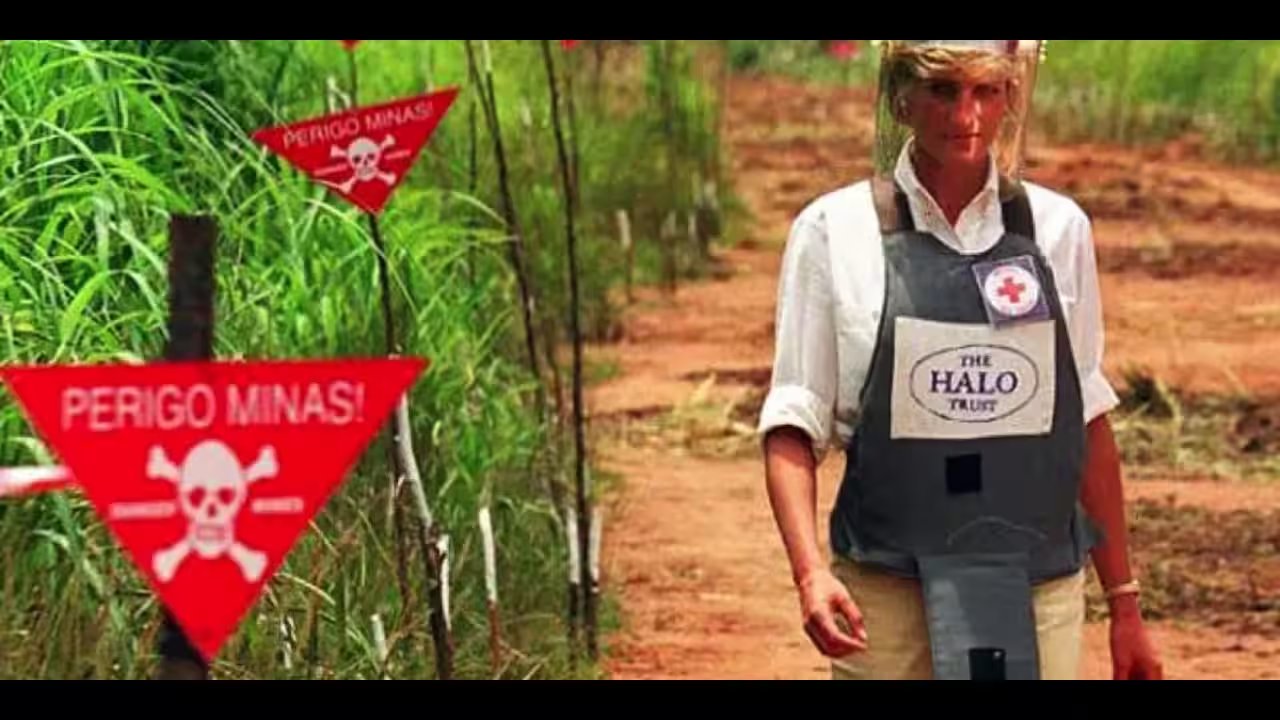
On 12 January 1997, Princess Diana stepped onto a cleared corridor in a minefield near Huambo, Angola, wearing a protective vest and guided by HALO Trust expert Paul Heslop. The country still bore the scars of a 20‑year civil war that left more than 15 million mines scattered across the countryside, knocking out livelihoods and leaving one person per 330 with a limb lost.
The image of Diana in a field of invisible danger captured global media, prompting the International Red Cross and the UN to launch a campaign for a worldwide ban. Donations surged, and governments began to reassess policies that had previously tolerated mine usage.
In the same year, the Ottawa Treaty was signed by 82 countries, later expanding to 163 signatories and 151 parties. The treaty, which entered force in 1999, prohibits the use, production, stockpiling and transfer of anti‑personnel mines.
Despite the treaty, Angola still requires clearance of 7,300 hectares, according to the Mines Advisory Group report released in January 2024. HALO Trust continues to work in Huambo, clearing tunnels and educating villagers, while the Ministry of Defence plans a 2025 nationwide operation.
For residents like the Moyo family, the long‑term danger has meant living in constant fear. Their youngest child, 12, was born in a village that once lay under a minefield; after clearance, the family can now cultivate rice, a staple they had abandoned for years.
Prince Harry revisited the site in September 2019, rekindling public interest. The next milestone will be the 2025 Angola clearance plan, which aims to remove an additional 3,000 hectares before the end of the decade.