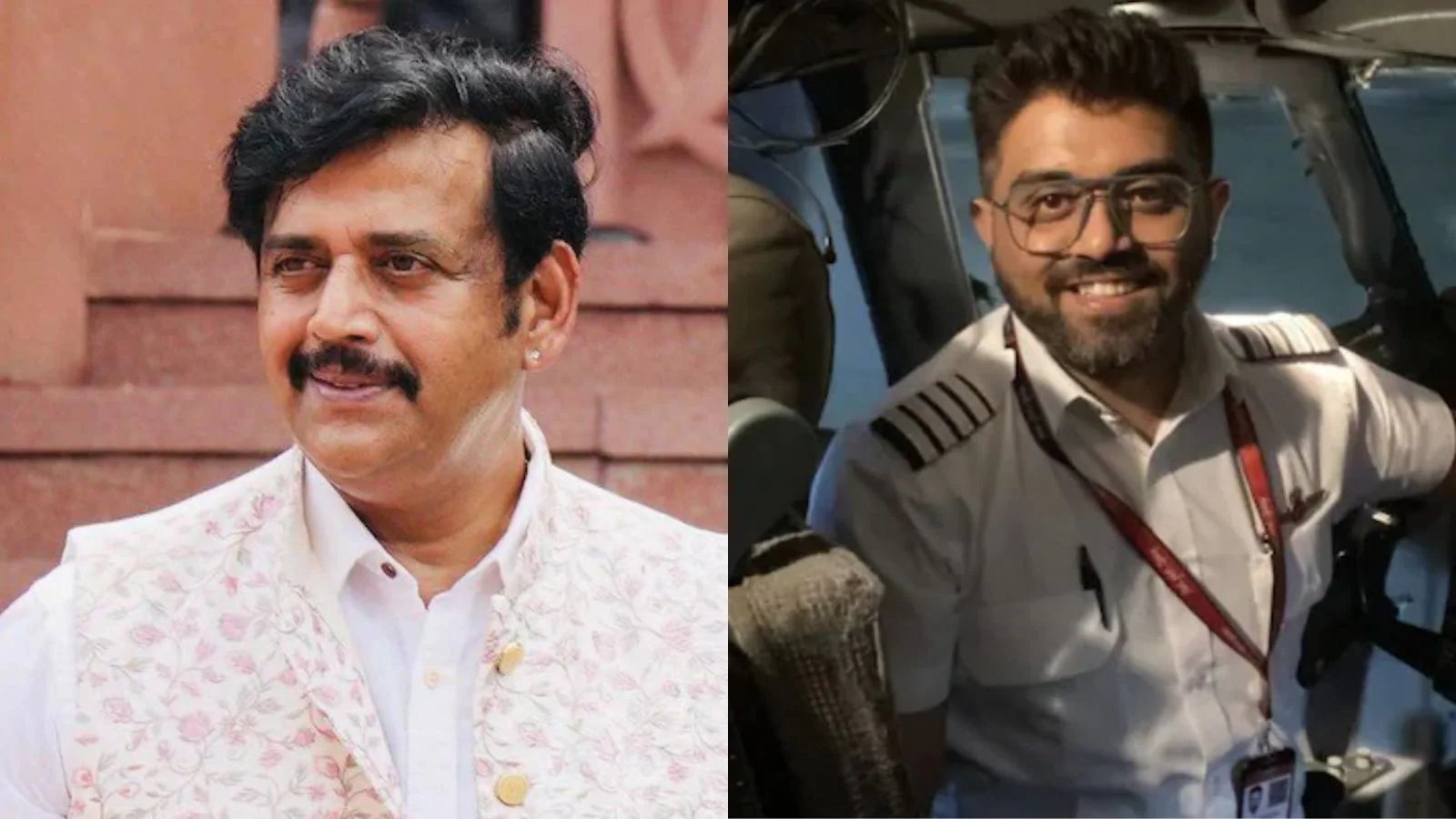
The 32,000‑foot saga began with a sudden, blood‑stained chill that rattled the cockpit of the flydubai aircraft. Without a moment’s pause, Captain Smit Machchhar—his hands slick with sweat—pressed the emergency release, flinging the cockpit door open to the roaring sky. Passengers, half‑afraid, half‑determined, surged toward the cockpit, their collective heartbeat syncing with the roaring engines.
In the chaos, the co‑pilot, driven by motives that remain shrouded, lunged with a knife, but the captain’s reflexes were as sharp as a trained stunt double’s. The knife found a target—his own body—yet the captain’s focus did not waver. He managed to subdue the assailant long enough for two flydubai pilots, then mere passengers, to step in and help steer the plane to safety.
The diversion landed in Tabuk, Saudi Arabia, where the captain, bloodied but alive, was rushed into a hospital. He’s now recovering, and fans are flooding social media with messages of hope, mirroring the outpouring of admiration for Bollywood heroes. Ravi Kishan’s tweet—filled with reverence and a prayer for the captain’s speedy recovery—has become the unofficial soundtrack to this real‑life thriller.
What matters most is that this airborne drama proves that sometimes the greatest cinema happens not on a set, but in the skies above us. The next scene? A full recovery for the captain, and a new chapter in flight safety that will be recounted in airport lounges like a legend.