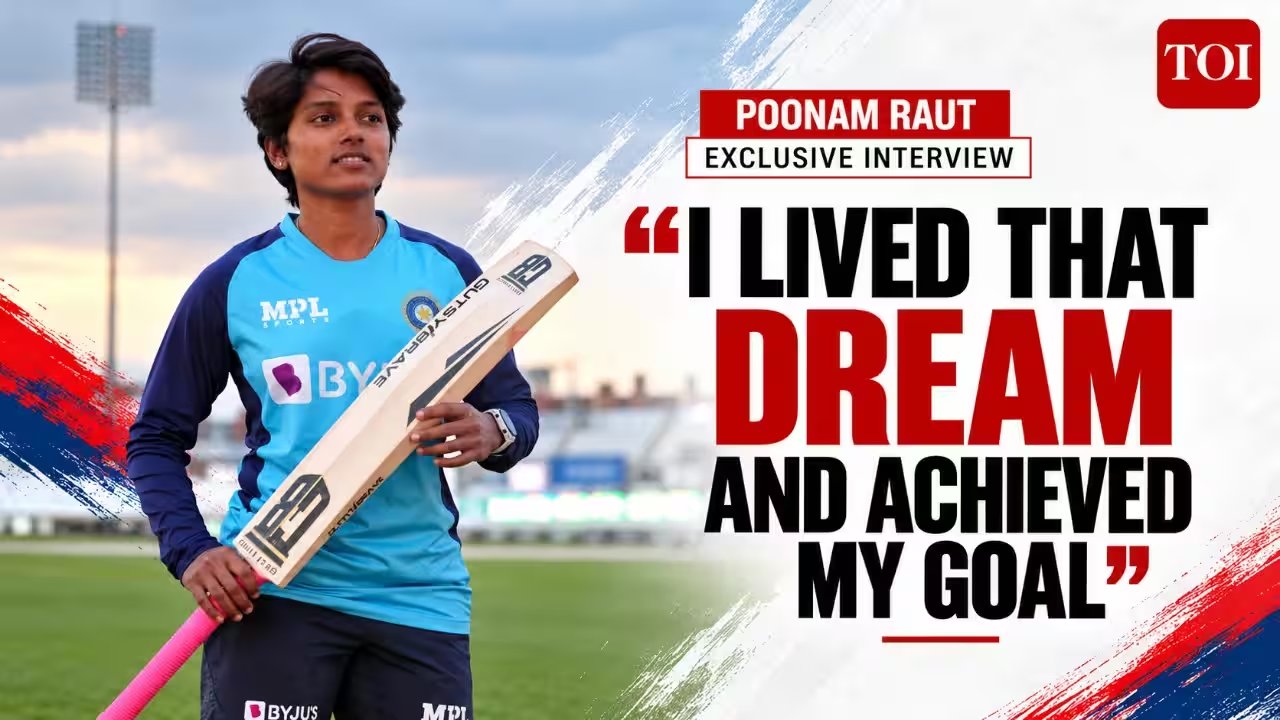
It wasn't a injury report or a last-minute team omission that ended Poonam Raut's international career. It was a quiet, painful realization that the comeback she had spent four years engineering simply wasn't going to happen. She announced her retirement earlier this month, closing the book on a journey that began when her father had to borrow money from his employer just to buy her first kit. She represented India for 12 years, amassing 2,299 runs in 73 ODIs. But the last four years were a grind. She scored heavily in domestic cricket, finished as a leading run-scorer, and fought through dengue and pneumonia, yet the national call never came. The selectors were looking at the youth, and Raut accepted that her time had shifted.
"I always had the desire to return to the Indian team," she told TimesofIndia.com. "Unfortunately, that didn't happen." The frustration is palpable, but there's no bitterness. Just the acceptance of a body that no longer recovered the way it used to. She had been mentoring young cricketers for four years—kids who were 10 when she started and are now 15, approaching competitive level. She realized that staying another two or three years just to chase a selection that wasn't coming would rob those kids of the guidance they need at their most formative stage. It was a sacrifice for the future of the game, not just her own career.
Her legacy isn't built on silverware, though. It’s built on the 2017 Women's World Cup. India lost the final at Lord's by nine runs, a margin that still stings. But Raut’s 86 in that match—and her world-record 320-run partnership with Deepti Sharma against Ireland earlier that year—changed the cultural conversation around women's cricket in India. Before that tournament, women's cricket was a niche, often unfunded pursuit. After it, parents who had previously barred their daughters from the pitch started encouraging them instead. Raut remembers reading messages from young girls that night, some saying they wanted to cut their hair like "Poonam Di." That impact was worth more than a trophy for her.
Now, she’s done with the middle order. The focus is entirely on the net, the practice pitch, and the minds of the next generation. She’s not fading into obscurity; she’s stepping into a role that might shape Indian cricket more effectively than another decade of domestic runs. The dream of playing for India was lived, fulfilled, and then set aside for a bigger purpose. The next match for her isn't in a stadium. It’s in the development of the players who will fill the gaps she left behind.