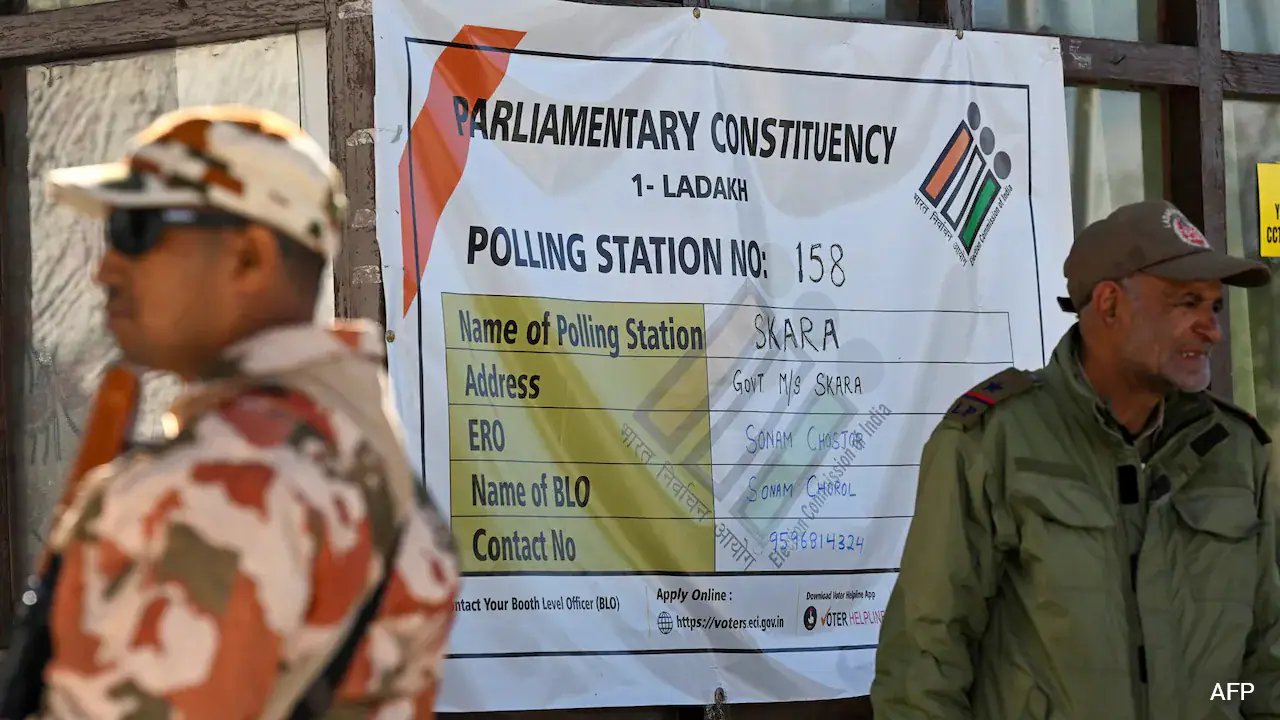
LEH — Ladakh will conduct elections to all eight restructured Autonomous Hill Development Councils on December 4, pushing ahead with its first major electoral exercise since New Delhi carved the region into a standalone Union Territory in 2019.
Candidates face a tight administrative window. Nomination papers close on November 17, scrutiny follows on November 18, and candidates must finalize withdrawals by November 20 before the entire electoral process wraps up by December 8. The stakes are unusually high. The administration expanded the councils from 26 seats each in the former Leh and Kargil districts to 50 each, creating an expanded 100-member legislative architecture across eight newly formed districts. Thirty-six of those seats are reserved exclusively for women.
Yet the announcement ignited immediate defiance on the ground. Kargil observed a complete commercial shutdown on the heels of the notification, while the Ladakh Buddhist Association in Leh declared an outright boycott of the accompanying local body polls. Political and civil society groups have spent months agitating across the high-altitude plateau, demanding full statehood and constitutional protection under the Sixth Schedule. The decision to force voters to the ballot boxes amid sub-zero winter temperatures has poured fuel on that dispute.
Ladakh Chief Secretary Ashish Kundra dismissed demands for postponement, insisting that the administration has prepared winterized infrastructure to protect voter turnout. Heating units will operate inside every polling station, accompanied by dedicated lines for elderly citizens.
"Schools in Ladakh generally remain open until December 15 or 16. If children can attend schools during this period, there should be no difficulty for adults in coming out to vote," Kundra stated.
Polling delays would derail fiscal planning. Kundra stressed that the eight councils must convene immediately so incoming members can spend January, February, and March drafting formal budgets for the upcoming financial year. Under the new administrative charter, the reformed councils will retain their established statutory authority while absorbing district-level powers granted under the 73rd Constitutional Amendment.
Officials completed the contentious delimitation process under notified council rules, linking seat boundaries directly to district population censuses. While authorities cannot split individual Panchayat Halqas or municipal wards, regulations permit officials to club multiple contiguous Panchayats into a single constituency.
| LAHDC Electoral Framework | Official Metric / Provision |\n| :--- | :--- |\n| Total Council Constituencies | 100 seats (50 Leh / 50 Kargil) |\n| Seats Reserved for Women | 36 seats |\n| Nomination Deadline | November 17 |\n| Scrutiny of Candidatures | November 18 |\n| Final Withdrawal Deadline | November 20 |\n| Official Polling Date | December 4 |\n| Formal Conclusion of Process | December 8 |\n| Grassroots Panchayat Base | 192 Panchayats (55 Sarpanches unopposed) |
Parallel to the hill council ballot, local body machinery has begun rolling after a three-year vacuum. Ladakh contains 192 Panchayats, where 55 Sarpanches and numerous Panch candidates have already secured election certificates unopposed. Voting will proceed across the remaining 137 contested Sarpanch positions. Municipal contests mirror this fragmented landscape: Leh features 42 contenders contesting 21 municipal wards, while the Kargil Municipal Council has confirmed four unopposed winners across its 17 wards.
To prevent regional voting trends from cascading, administrative teams are reviewing plans to count ballots for the Hill Councils, municipal bodies, and Panchayats simultaneously.
All eyes now turn to the November 17 nomination deadline to determine whether mainstream regional parties file papers or maintain an absolute boycott at the threshold.