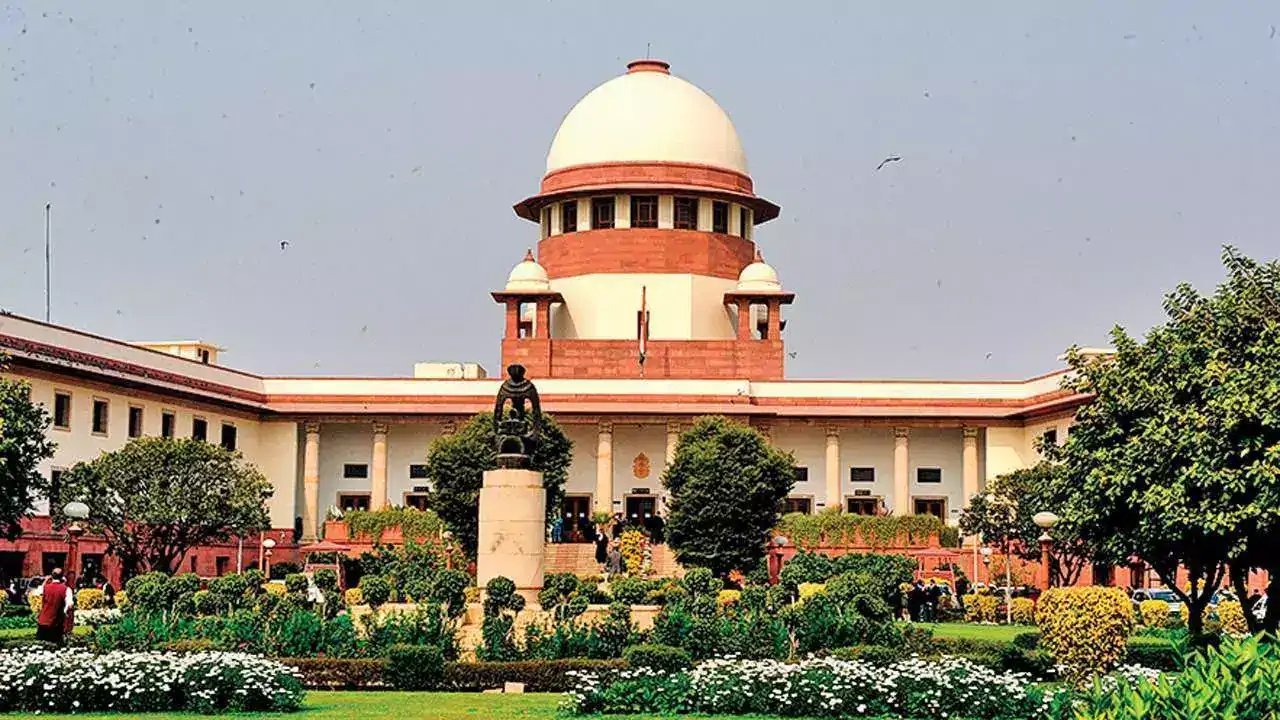
NEW DELHI — The Supreme Court cracked down on systemic cyber fraud on October 29, directing messaging platform WhatsApp and commercial lenders to erect immediate operational firewalls against surging digital arrest scams.
Siphoned balances reached ₹800 crore this year alone. That staggering sum vanished even as overall cybercrime volumes dropped by 50 percent. The bench—headed by Chief Justice of India Surya Kant alongside Justices Joymalya Bagchi and V Mohana—demanded sweeping accountability from both big tech platforms and financial institutions.
Digital platforms can no longer play passive conduits. In a formal order uploaded following the hearing, the bench ordered WhatsApp LLC and allied intermediaries to draft concrete preventive roadmaps and deliver them simultaneously to the judges and the Indian Cybercrime Coordination Centre (I4C).
The court turned its sights directly on commercial lenders, ruling that financial institutions must indemnify duped depositors whenever institutional negligence enables a crime.
We reiterate and emphasize that the regulatory measures proposed by the Reserve Bank of India (RBI) must mandate and incorporate suitable provisions that require financial institutions to indemnify victims of digital arrest scams and other cyber frauds and pay suitable compensation not less than the amount lost by the customer, where it is established that the fraud or crime occurred due to the failure on the part of the financial institution to exercise due diligence in preventing or reporting the act/incident.
Supreme Court Bench headed by CJI Surya Kant
Banks hold customer ledgers. They track behavioral baselines. The Chief Justice questioned why automated internal alarms fail when panicked depositors suddenly liquidate lifetime savings into unvetted recipient accounts.
To choke off the pipeline, the bench proposed three mandatory banking tripwires: immediately freezing transfers that clash with historical spending patterns, auto-dispatching alerts to local police stations, and requiring physical in-person verification before releasing anomalous high-value remittances. CJI Surya Kant described banks as a critical "protective umbrella" for vulnerable citizens targeting institutional lethargy.
| Regulatory & Judicial Directive | Enforcing Authority / Entity | Implementation Target |
|---|---|---|
| Tech Intermediary Scam Proposals | WhatsApp LLC / Digital Platforms | Next Hearing: November 23 |
| List of Authorised Financial Institutions | Reserve Bank of India (RBI) | Prior to November 23 Hearing |
| Draft KYC Amendment Directions, 2026 | Reserve Bank of India (RBI) | Notification: Nov 30; Enactment: Dec 31 |
| State-Level FIR & Investigation Dossiers | State & UT Directors General of Police | Inter-Departmental Committee Submission |
Appearing for WhatsApp, senior advocate Kapil Sibal pushed back against claims of corporate inertia, telling the bench that the messaging network had already banned 9,400 malicious accounts. Sibal confirmed the company is currently developing internal software designed to flag suspicious behavioral anomalies and dispatch real-time warnings directly to end users. WhatsApp will place these technical safeguards into a sworn compliance affidavit before the court.
Yet the judges signaled that voluntary steps remain insufficient without statutory bite.
Attorney General R Venkataramani, representing the Union government, submitted that state agencies have escalated efforts to identify abnormal payment velocities and fortify retail banking channels.
The directive reaches into every police headquarters in the country. The Supreme Court ordered Directors General of Police across all states and Union territories to compile comprehensive dossiers detailing every registered digital arrest FIR and the progress of ongoing prosecutions.
State chiefs must route these submissions through a central inter-departmental committee charged with harmonizing the national enforcement apparatus.
The central bank now faces a compressed timeline. The bench directed the RBI to tender a complete registry of authorised financial institutions before the court convenes again. The judges will inspect the draft RBI Know Your Customer (KYC) Amendment Directions, 2026, before regulators enact them.
The banking regulator plans to formally notify the KYC amendments by November 30, with nationwide implementation scheduled for December 31. The Supreme Court reconvenes to review compliance from WhatsApp, the RBI, and state police leadership on November 23.