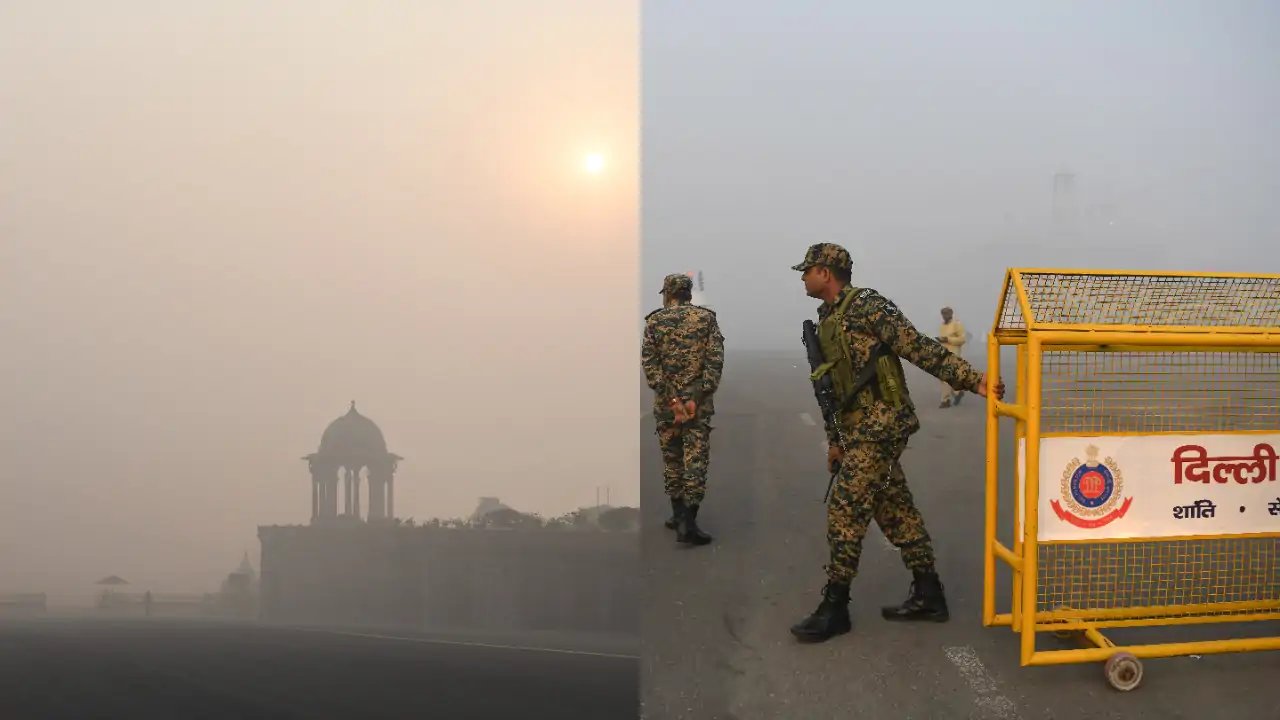
Twenty-five of Delhi's 39 air quality monitoring stations stopped recording PM2.5 levels between 2 a.m. and 3 a.m. on the night of November 8–9, igniting fierce accusations of deliberate pollution data suppression against the Delhi administration.
Readout screens went blank. The city choked under a thick wall of toxic smog following hours of relentless Diwali firecracker bursts, prompting both the Congress and the Aam Aadmi Party to allege that authorities silenced sensor feeds to mask catastrophic pollution spikes.
Congress spokesperson Pawan Khera demanded an immediate technical accounting from the government, questioning whether monitoring stations were systematically disabled or overwhelmed by toxic particulate concentrations. "There were no PM2.5 readings recorded at 25 of Delhi's 39 monitoring stations between 2 and 3 a.m. on the night of November 8–9," Khera stated. "Is the government suppressing the data? Were the monitors deliberately switched off? Or was the pollution so dangerously high that it exceeded the measuring capacity of the equipment?"
Khera slammed what he termed a "double, triple or whatever engine Sarkaar that is moving swiftly to choke us all to death—and doing so stealthily," adding that missing telemetry does not mean the toxic air disappeared.
The consequences are biological. Former Delhi minister and AAP leader Saurabh Bharadwaj warned that artificially depressing baseline toxicity numbers robs the public of critical medical warnings, directly endangering vulnerable patients.
"When pollution data is shown less than actual data, it can lead to very serious situations—heart attacks, asthma attacks, respiratory failure, and even worse," Bharadwaj said.
The AAP leader also took aim at the commercial machinery behind the spike, criticizing firecracker profiteering where manufacturers and middlemen pocket margins while public hospitals absorb the resulting medical fallout. AAP officials alleged that actual localized air quality index figures vaulted past 3,000 AQI in districts where sensor feeds flatlined, far outstripping maximum hazard thresholds.
Yet state monitoring boards offered no immediate breakdown for the synchronized equipment outages. The Delhi administration now faces mounting pressure to release untouched diagnostic logs and clarify whether the capital's monitoring grid suffered physical sensor failure or administrative intervention.