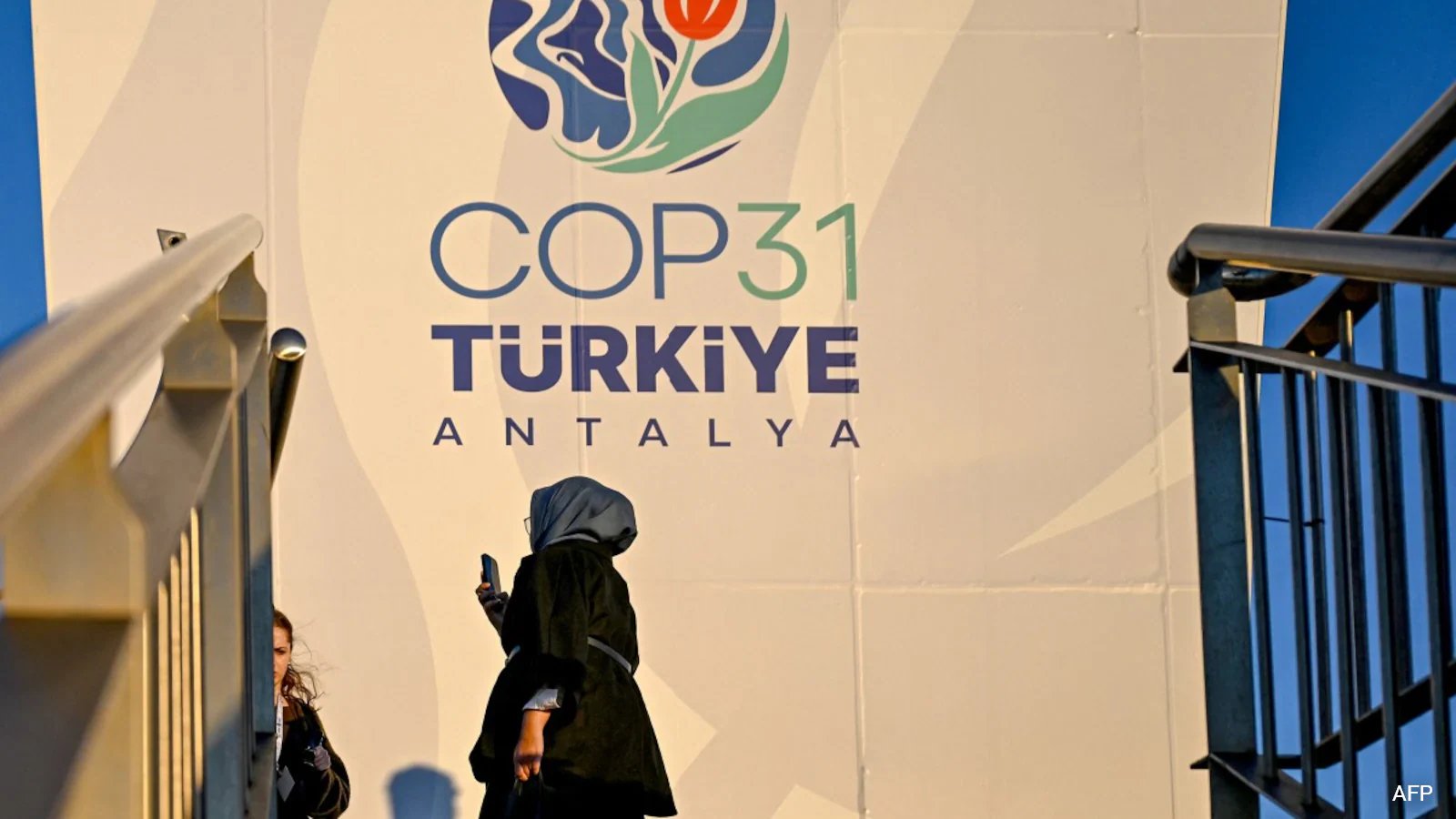
World leaders collided over trillions in stalled climate money Monday as the COP31 summit opened in the Turkish coastal city of Antalya.
The confrontation began immediately. United Nations Secretary-General Antonio Guterres issued a blunt warning to thousands of delegates gathered inside the expo centre, demanding that industrialized powers accelerate emissions cuts and stop starving vulnerable nations of transition cash. He spoke against the backdrop of catastrophic European heatwaves, Indonesian wildfires, and fatal floods across Nepal—weather shocks intensified by an exceptionally ferocious El Niño cycle.
Negotiators argued past midnight before the opening gavel even fell. Developing countries fought to force climate finance mechanisms onto the official two-week agenda, meeting stiff resistance from wealthy governments historically responsible for the bulk of greenhouse emissions. While envoys ultimately cleared a platform first floated at COP30 in Brazil to discuss donor transfers, African nations suffered an immediate defeat: their bid to mandate a formal agenda item on tripling adaptation finance was shot down.
Pacific and African negotiators warned that diplomatic patience has expired. The United Nations calculates that developing states require $305 billion annually by 2035 to construct seawalls, shore up storm-battered electrical grids, and cultivate drought-proof agriculture—nearly ten times the capital currently trickling in from donor capitals. Rich economies, grappling with energy shocks and geopolitical friction from the Russia-Ukraine conflict and US-Iran hostilities, offered little comfort. A senior European Union official warned flatly ahead of the summit that there is "no political will" to write larger checks.
| Climate Parameter | UN Target & Baseline | Current Operational Status |
|---|---|---|
| Annual Developing Nation Adaptation Needs | $305 billion annually by 2035 | Current inflows fall nearly tenfold short |
| Paris Agreement Warming Threshold | Cap warming at 1.5°C | UN forecasts confirmed threshold overshoot |
| Global Electricity Generation Share | 35% of total demand by 2035 | Stalled at approximately 20% today |
"This COP must respond to the overshoot to save countries like mine from disappearance," said Tuvalu Climate Minister Maina Talia, pointing to United Nations data confirming that global heating will likely breach the Paris Agreement's 1.5-degree Celsius threshold.
Turkey holds the COP31 presidency while Australia steers floor negotiations—an unorthodox compromise struck to resolve a bitter hosting feud. COP31 President Murat Kurum, who serves as Turkey’s environment minister, joined hands on stage with Australian Climate Minister Chris Bowen to brand the summit an "implementation COP." Kurum warned delegates that administrative delays carry catastrophic physical and financial costs.
Yet the hosts' flagship proposal is already triggering diplomatic skirmishes. Ankara launched a voluntary push to drive electricity’s share of global energy consumption from 20 percent today to 35 percent by 2035. The European Union hit back immediately, demanding the pact specify "clean" electrification to prevent host nations from burning more coal, oil, and gas to power the expansion. The fight exposes the same fissures that gutted the COP30 consensus in Brazil, where petroleum exporters purged direct phase-out mandates from the final accord.
Plenary negotiations resume Tuesday morning, with Brazilian President Luiz Inacio Lula da Silva scheduled to address delegates later this week to unveil his own voluntary transition roadmap.