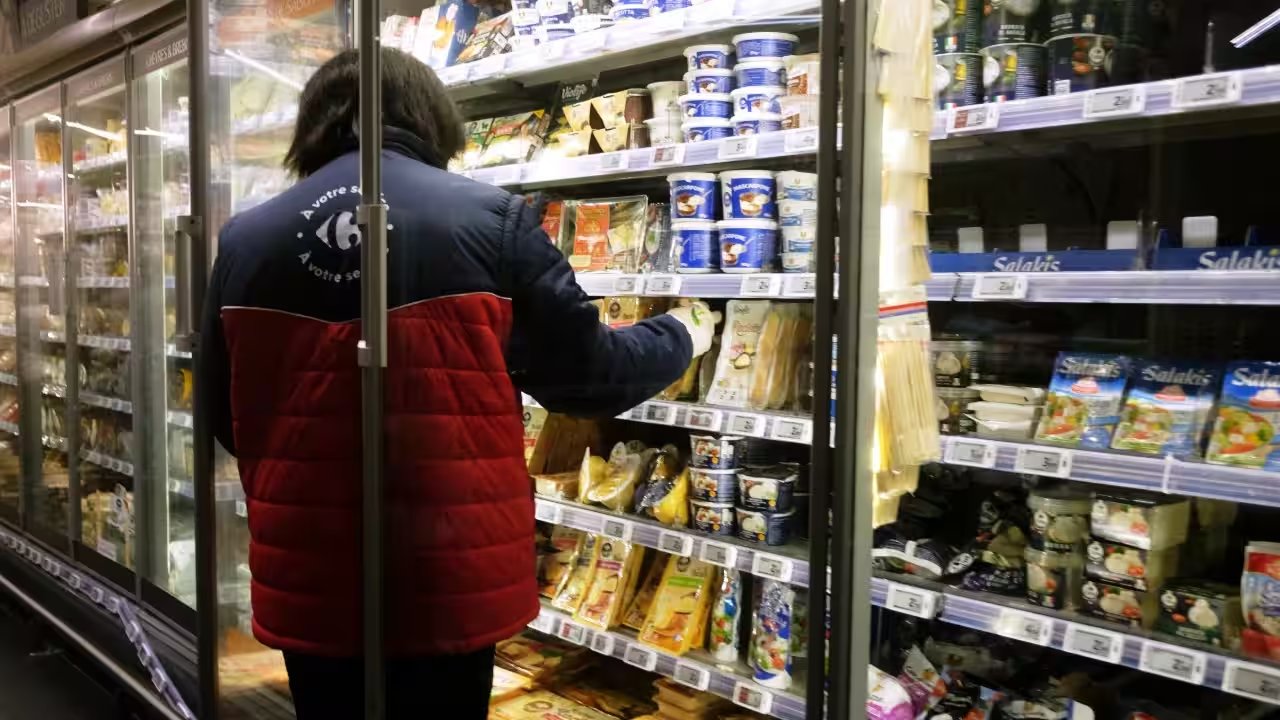
PARIS — French intelligence and cybersecurity authorities on Monday formally accused Iran's Islamic Revolutionary Guard Corps of orchestrating coordinated cyberattacks against domestic food networks, sabotaging cooling systems across approximately 700 commercial establishments and sparking at least 15 fires.
Hackers intentionally manipulated digital climate controls to drive up temperatures inside supermarket freezers, small butcher shops, a slaughterhouse, and industrial food-processing plants nationwide. Food spoiled by the tonne. In several facilities, the forced thermal overloads ignited electrical fires. Paris prosecutors moved swiftly on Monday, filing applications for international arrest warrants against three Iranian operatives tied directly to the sabotage campaign.
"The Iranian ambassador has been summoned to the Ministry of Europe and Foreign Affairs," said French Foreign Minister Jean-Noël Barrot, warning that Paris is pressing European Union allies to impose punitive sanctions against Tehran.
Terror disguised as vigilante activism.
According to an exhaustive joint assessment released by French intelligence agencies, the campaign was executed by Shahid Kaveh, an elite offensive cyber warfare unit embedded within the Revolutionary Guards. The digital trail named three specific operators driving the breaches: Hamid Reza Lashgarian, Mahdi Lashgarian, and Reza Salarvand. Investigators uncovered Persian-language operational markers inside the attack infrastructure, which the operatives masked behind front groups posing as independent vigilante syndicates, including "CyberAveng3rs" and "Cyber Isnaad Front."
Yet the digital incursions escalated past grocery aisles. A second wave hit more than 100 European facilities, breaching refrigeration units inside French blood banks. Medical staff scrambled to relocate emergency blood inventories into backup cold-storage lockers before life-saving supplies degraded.
The sabotage marks one of the most destabilising cyber escalations linked to the broader confrontation with Iran that erupted in February. Allied investigators previously traced parallel disruptions across the Atlantic, including breach attempts against the Los Angeles transit authority in March, municipal water plants in July, and maritime cargo vessels bound for American ports in August.
Paris is now coordinating with European capitals to calibrate retaliatory economic measures, while prosecutors await judicial approval for the international arrest warrants.