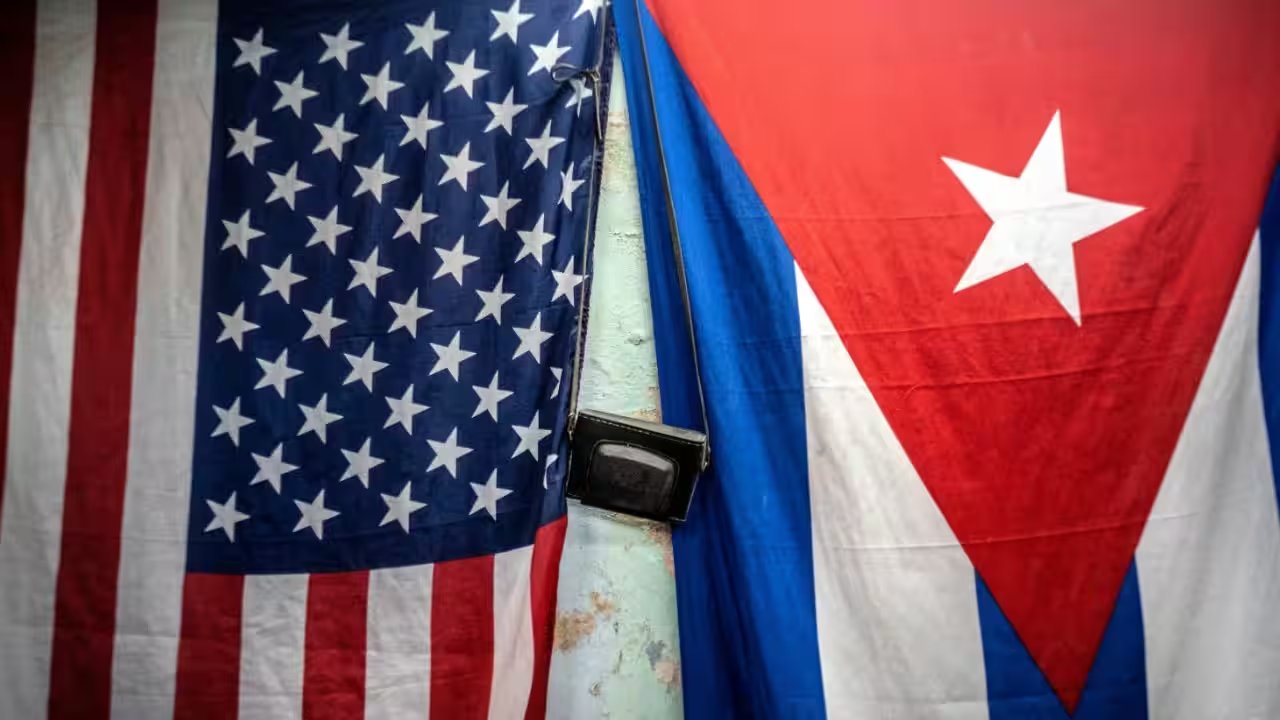
The diplomatic rift between Havana and Washington turned physical on Monday at the United Nations headquarters. Cuban Ambassador Ernesto Soberón Guzmán and other Cuban representatives shouted at US Ambassador Mike Waltz as he exited a meeting. The confrontation followed a US-hosted event featuring Cuban dissidents discussing alleged government abuses. It was a volatile moment in a long-standing feud that usually stays within the bounds of formal diplomatic channels.
Waltz did not take the abuse quietly. He accused Cuban diplomats of harassing, yelling at, and filming former political prisoners who had recently been released. "I hope you...noted the so-called diplomats from the Cuban embassy here that we allow here by dint of treaty, harassing, yelling, intimidating, and filming not only our just released former political prisoners but others," Waltz told reporters in New York. He argued the annual UN resolution allows the Cuban regime to hide the suffering of its people behind a veil of propaganda.
Guzmán pushed back hard, labeling the US sanctions regime as "collective punishment." Speaking at an impromptu gathering outside the dissident meeting, he declared the US an "international delinquent" for inflicting immense suffering on a peaceful nation. The remarks came just before the UN General Assembly is set to vote on October 27-28 on a resolution calling for an end to the US trade embargo.
The vote is largely symbolic; the non-binding resolution has passed by wide margins every year since 1992. Only the US Congress holds the power to lift the embargo, which has been in place for more than 60 years. However, the political temperature is rising. President Donald Trump’s administration has increased pressure on the island, following the US military’s role in removing Venezuelan President Nicolas Maduro in January. Last month, Trump told the UN that Cuba was a failed state and promised freedom would come to the island.
The economic reality on the ground is grim. Cuba is facing its worst downturn in decades, with shortages of basic goods, runaway inflation, and a total collapse of the electrical grid last month leaving millions in the dark. As the General Assembly prepares for the upcoming vote, the exchange between Waltz and Guzmán suggests that diplomatic civility is taking a backseat to ideological warfare. The next move belongs to the US Congress, but the pressure from both sides shows no sign of easing.