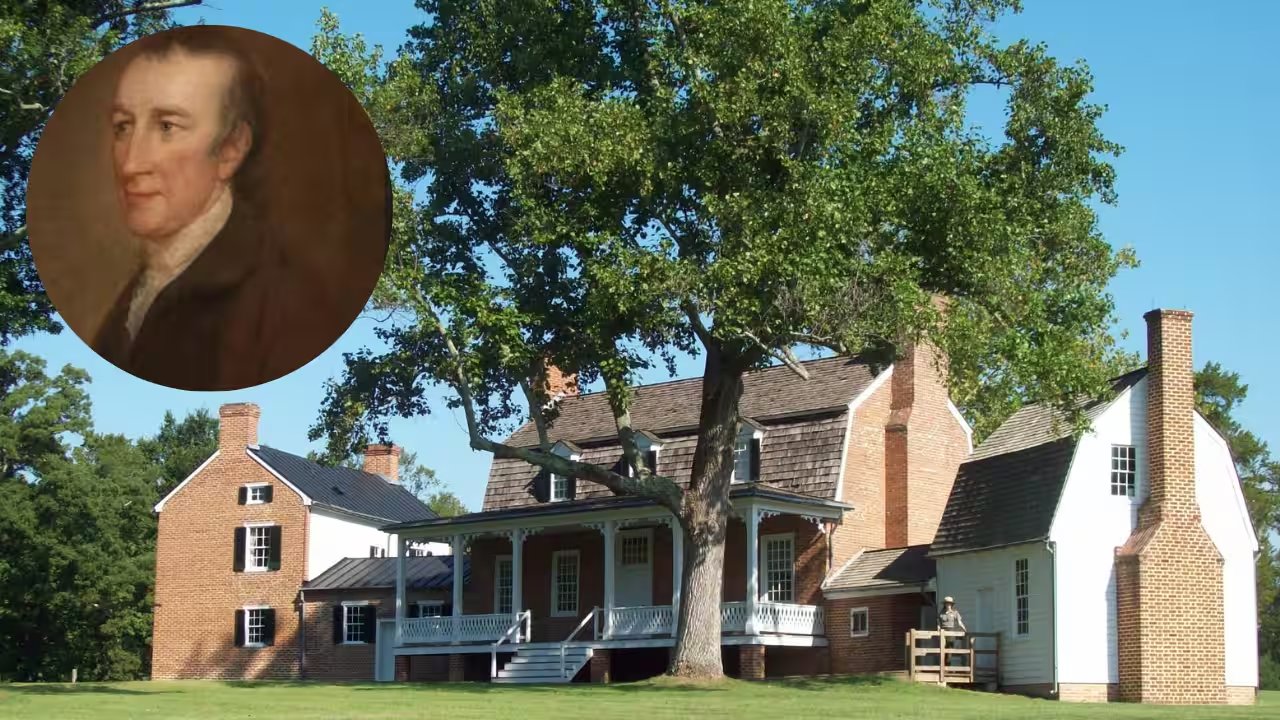
Thomas Stone, a Maryland lawyer who later signed the Declaration of Independence, bought the 442‑acre Haberdeventure plantation for £400 in 1770. Stone enlarged the estate to 1,077 acres before his death in 1787, and his family kept it for 166 years, passing it down through successive generations.
John Barefoot first cleared the forest and erected the farm’s earliest structures; in 1708 John Lambert bought it for 500 pounds of tobacco. By 1724, Robert Hanson owned the property and paid 2,000 pounds of tobacco plus five barrels of Indian corn, and later his daughter Mary and her husband Daniel Jenifer—Stone’s uncle—surveyed the land in 1768 to add what was then considered unclaimed acreage, doubling the parcel to 442 acres without additional payment.
On the night of January 1, 1977, La Plata Fire Department Chief Gary Echols received an alarm at 9:43 p.m. that the main house was ablaze. Firefighters arrived within minutes, but the blaze threatened to consume the structure; Echols later said that a delay of five minutes could have sealed the loss. An investigation could not pin a definitive cause, though a malfunctioning furnace and an unattended candle were cited as potential sparks.
Congress recognized the site’s historical significance and, in 1978, declared it the Thomas Stone National Historic Site. The National Park Service acquired the property in 1981 and undertook extensive restoration of the fire‑damaged manor and its grounds, reopening the site to the public on March 13, 1997.
Today the historic site covers 328 acres, roughly 70 percent of the original 442 acres, and features walking trails, outbuildings, and the Stone family cemetery where Thomas and his wife Margaret rest. A descendant, Michael Stone, who grew up on the property, says the site’s preservation allows visitors to feel the weight of the early republic in the very soil they walk on.