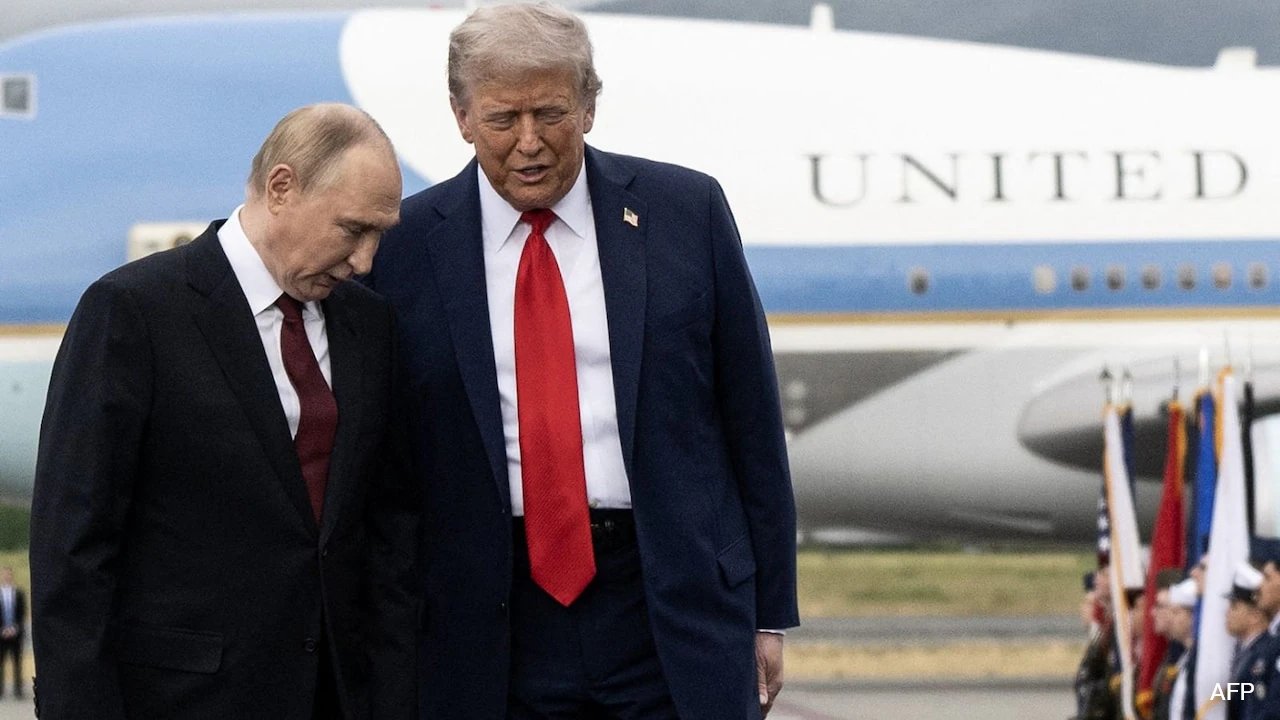
Donald Trump confirmed Tuesday that he is scheduling a call with Vladimir Putin to address the suspicious death of a 28-year-old lab technician in Siberia. The move follows a confidential diplomatic demarche sent by the US State Department, warning Moscow that its silence on the incident breaches its international health obligations. This isn't just a routine health query; it's a geopolitical pressure point.
The incident centers on Darya Shipilova, who died last week at an anti-plague institute in Irkutsk. Local media reported she may have contracted pneumonic plague from a broken test tube, leading to the quarantine of up to 200 contacts. However, Russian authorities have aggressively pushed back. Rospotrebnadzor, the Russian consumer watchdog, denied any plague outbreak, stating that postmortem tests found no pathogens and attributing her death to pneumonia.
Secretary of State Marco Rubio, speaking in Iceland, demanded transparency from Moscow. "We encourage Russia to be transparent and share more information with the world so that all of us could react accordingly and appropriately," Rubio said. The tension is palpable. While the WHO rates the risk in Irkutsk as "moderate to low," the US remains wary of potential biosecurity failures in a hostile nation.
Moscow struck back with a pointed jab at US domestic health failures. Citing a "significantly worsened" measles situation in three US states and a fatal plague case in New Mexico, Russian officials suggested the US should focus on its own outbreaks. This counter-punch highlights the broader friction between the two powers, where public health is increasingly weaponized in diplomatic disputes.
The next critical step is the scheduled Trump-Putin conversation, expected to happen "very soon." Meanwhile, an international conference on plague is set for Irkutsk on October 21-22, though organizers insist it remains unrelated to the recent death. The world will be watching to see if Moscow yields to American pressure or doubles down on its denial.