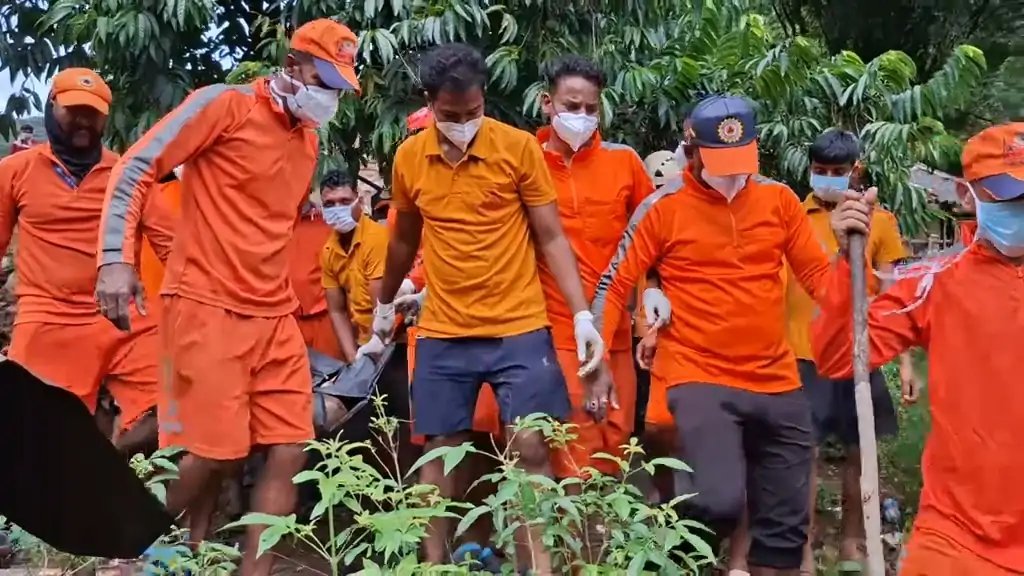
The silence in Gidipabali village is heavy, broken only by the hum of heavy machinery and the weeping of families who have stopped expecting a miracle. On the night of October 28, at 3 am, the hillside collapsed, burying homes under tonnes of mud, boulders, and uprooted trees. Twelve people were initially reported missing in the chaos. Two bodies were recovered: 52-year-old Rabi Malik and 29-year-old Salman Pradhan. Ten are still gone.
Rescue teams from the National Disaster Response Force (NDRF), Odisha Disaster Rapid Action Force (ODRAF), and Fire Services deployed sniffer dogs, radar systems, and heavy earthmovers to comb through the site. The work was brutal. Nearly 30 feet of accumulated debris, including boulders weighing several tonnes, made progress glacial. The terrain was unforgiving. Then the weather turned. Fearing further slides, authorities suspended the search on November 4 and 5.
The most painful chapter is unfolding now. Families who waited for days for a knock on the door, a shout, a sign of life, are preparing for symbolic last rites. They will burn nothing. They will bury nothing. They will simply say goodbye to ghosts. This is the reality of a disaster where the dead may never be found, and the living must move on without closure.
The Odisha state government has announced an ex-gratia compensation of ₹4 lakh for the families of the deceased. Rehabilitation efforts are underway for the wider community, as Cyclone Arnab and subsequent rains devastated over 100 villages across Ganjam, Gajapati, and Kandhamal districts. Thousands were shifted to relief camps. But Gidipabali carries a specific, crushing grief that no compensation can resolve.
The search operation remains paused. Meteorological departments are monitoring the region for further rainfall, which could trigger secondary landslides. Families in the relief camps continue to wait, hoping against hope that the next weather window will allow rescuers to return to the debris field. Until then, the hills remain silent.