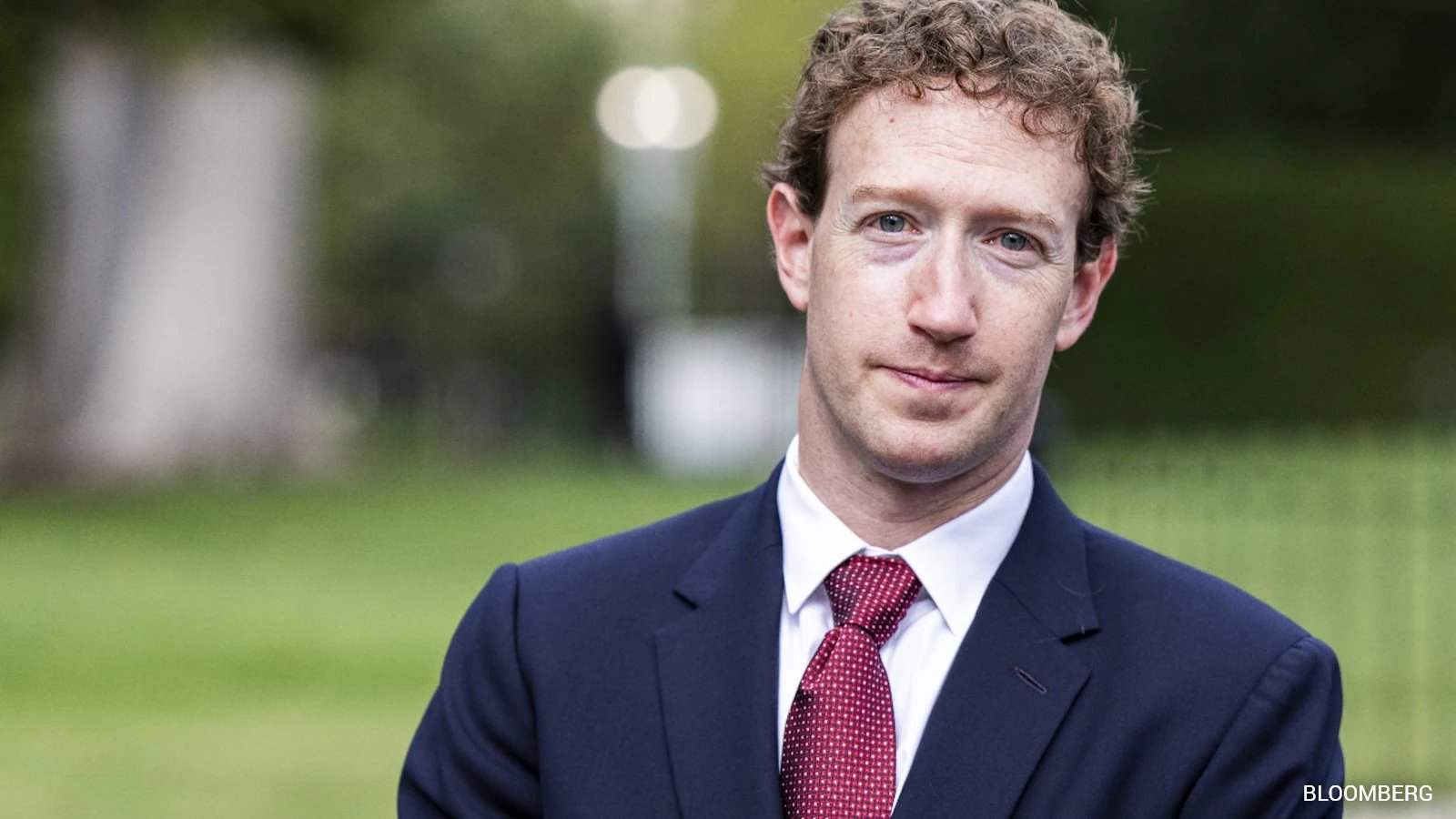
On Monday, Meta CEO Mark Zuckerberg told host John Collison on the Cheeky Pint podcast that the firm is committing up to $200 billion to its AI infrastructure, admitting the bet had no guaranteed payoff. CFO Susan Li warned that failure would cost "enormous" amounts, a warning Zuckerberg recalled with a hint of humor. The disclosure arrives as shareholders grow restless over Meta's mounting expenses and slow revenue growth.
The same day, Meta unveiled its latest AI model, claiming it surpasses earlier versions and matches the coding prowess of OpenAI's ChatGPT and Anthropic's Claude. Zuckerberg said the breakthrough could signal the company is closing the gap with U.S. rivals, but he stopped short of guaranteeing commercial success. Analysts note that the model's release is a litmus test for the $200 billion gamble.
In addition to the model, Meta introduced Muse, a personalized assistant aimed at automating shopping, ticketing and scheduling for consumers. Zuckerberg admitted uncertainty about user reception, saying the team would need to iterate on the product. Muse represents Meta's attempt to diversify beyond its core social media business, a pivot that could affect future revenue streams.
Meta's free‑cash‑flow hit a low in the last quarter, and shares fell 8 percent after the announcement. The stock has rallied over 12 percent year‑to‑date, but investors will scrutinize the upcoming October 21 earnings for signs that the AI spend is paying off. The company is poised to decide whether the heavy outlay will translate into sustainable growth.