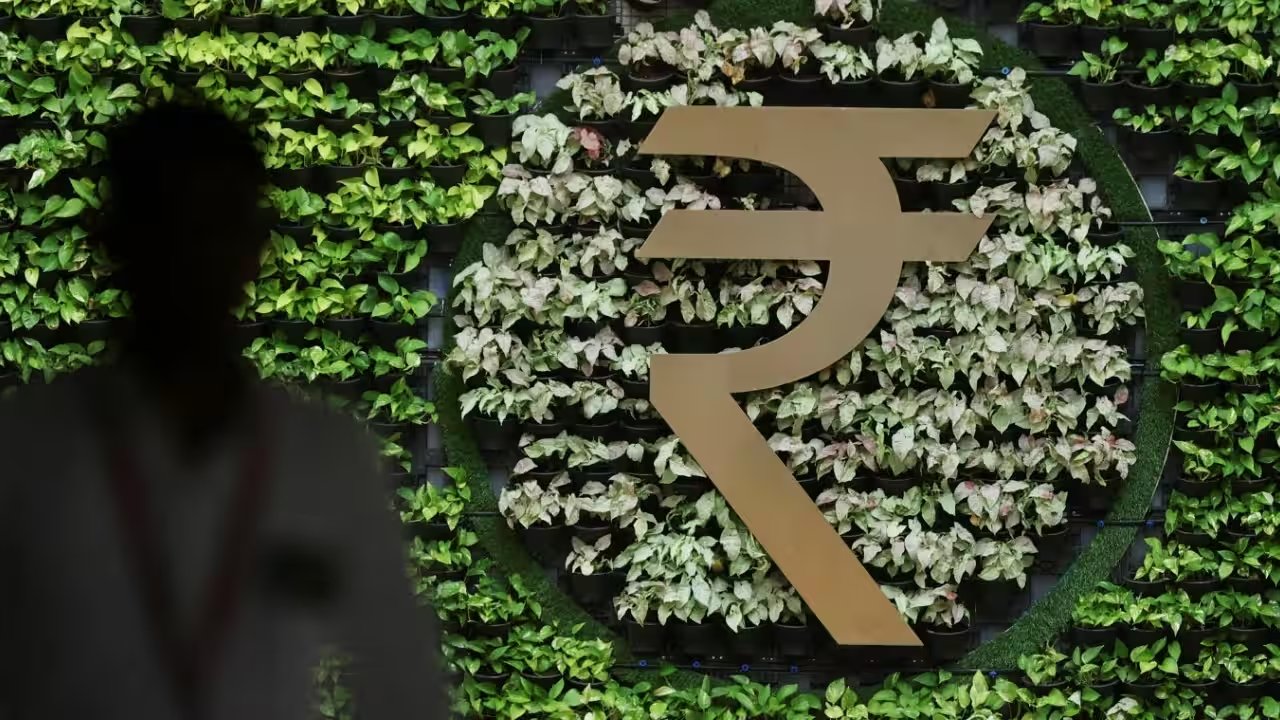
The rupee’s recent slide has hit a wall. Bank of Baroda’s latest research report predicts the currency will hover between Rs 94.5 and Rs 96 against the US dollar in the coming weeks. This outlook defies the conventional logic that massive dollar inflows should trigger immediate appreciation. Instead, the bank argues the market is effectively capped by central bank mechanics.
The paradox lies in the destination of those dollars. Significant inflows via FCNR deposits and external commercial borrowings (ECBs) have not flooded the open market to boost the rupee. They have gone straight into the Reserve Bank of India’s reserves. As the report notes, this sequestration prevents the additional dollar supply from translating into currency strength for the average trader or importer.
Context matters here. The rupee has shed roughly 28 percent of its value since January 2022, falling from an average of Rs 74.44 to Rs 95.47 in August 2026. It is not alone in this misery. The Japanese yen depreciated by 38 percent over the same period, while the Indonesian rupiah and South Korean won fell 24 and 17 percent, respectively. The US dollar, meanwhile, strengthened by 2.4 percent against the euro.
Bank of Baroda analyzed monthly data from January 2022 to June 2026 to isolate the drivers of these swings. RBI intervention emerged as the most statistically significant variable. When combined, spot and forward operations explained 34 percent of rupee movements, outperforming spot intervention alone (25 percent) or forward operations (19 percent). This suggests the central bank’s dual-track approach is the primary anchor for stability. Forex reserves, by contrast, explained only 18 percent of the variation, confirming that rising reserve numbers do not automatically equal a stronger currency.
Foreign portfolio investor (FPI) flows initially appeared significant but lost statistical relevance once other variables were accounted for. The report concludes that no single factor dominates the exchange rate. Sentiment—driven by the timing of importers’ dollar purchases and remittance flows—accounts for much of the unexplained 60 percent of movement. With the next budget and global rate decisions looming, the rupee’s trajectory will likely remain a tug-of-war between RBI management and market sentiment, keeping it pinned in the mid-90s for now.