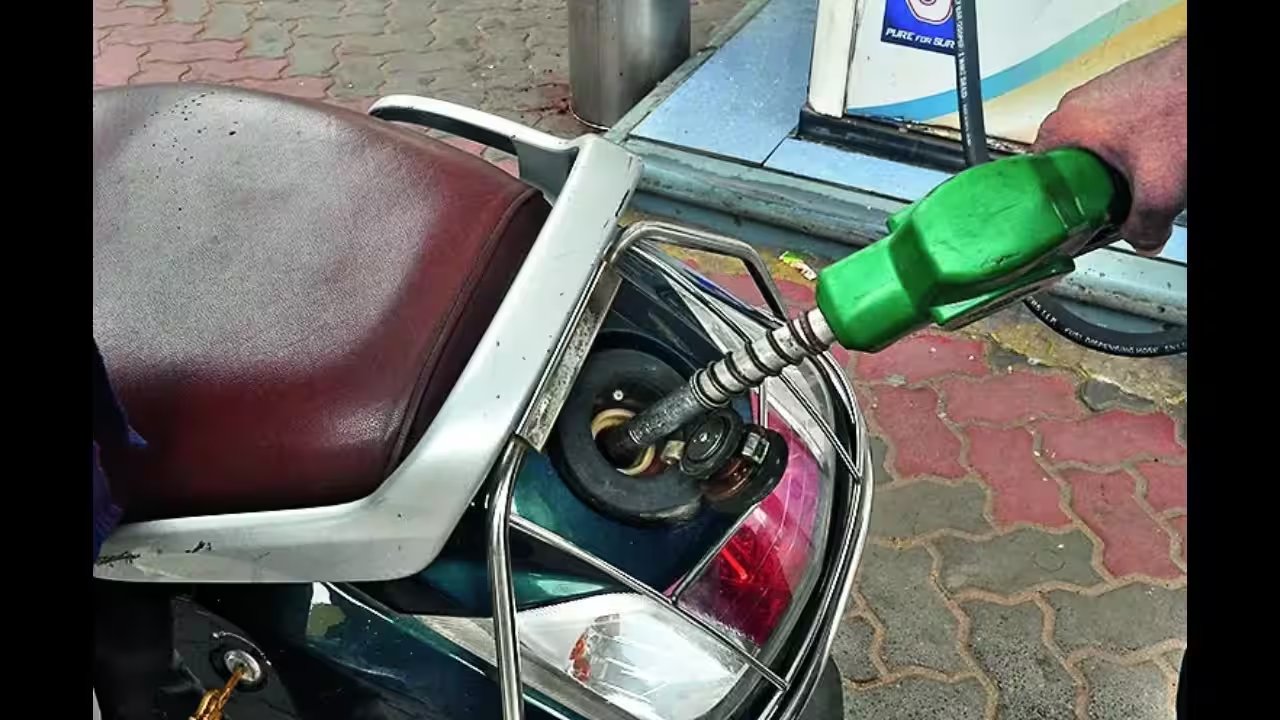
Petrol pump operators across Madhya Pradesh are preparing to shut the door on large UPI transactions starting October 16. The Madhya Petroleum Dealers Association announced the move in response to the National Payments Corporation of India’s new Merchant Discount Rate framework, which imposes a flat fee on fuel purchases over the ₹2,000 threshold. For a business running on razor-thin margins, this isn't just an administrative change; it's an existential threat to their daily cash flow.
Association President Ajay Singh broke down the math for ANI, revealing the precise hit each dealer faces. He calculated that the average pump sees roughly 100 customers making transactions above ₹2,000 daily. At the new ₹5 flat MDR rate, that translates to a direct loss of ₹590 a day, or approximately ₹17,700 every month. "We cannot recover this," Singh stated bluntly. "Our profit margin is only around 0.5 per cent. We are not in a position to bear any additional expense."
The protest is targeted, not indiscriminate. Dealers are not banning digital payments entirely; they are carving out a specific exception for UPI. Credit and debit cards remain fully accessible, as the government already exempts these transactions from MDR charges for fuel vendors. Singh argued that this double standard creates an unfair regulatory burden. "We have already been given an exemption from MDR charges on credit and debit card transactions," he said. "So, we request the government to extend the same exemption to UPI as well, considering the special circumstances under which petrol pumps were granted an exemption on credit and debit card transactions."
For the average commuter, the immediate impact is friction. If you fill your tank and the bill crosses ₹2,000—common for a full tank of diesel or petrol in many cities—you will no longer be able to scan a QR code and pay. You’ll need to pull out a physical card or break your payment into smaller, less convenient chunks. The NPCI framework, introduced on September 15, caps the MDR at ₹300 per transaction for general P2M payments, but the fuel-specific flat rate of ₹5 is what triggered this localized standoff. While the government claims 96% of UPI transactions remain unaffected, for the 4% of high-value fuel buyers, the experience is about to get significantly more complicated.
The ball is now in the government's court. Dealers are waiting for a policy reversal or an exemption extension before the October 16 deadline. Without it, the state’s fuel distribution network will operate with a split digital payment system, a rare fragmentation in a market that has largely standardized on UPI as the default payment method for small and medium transactions.