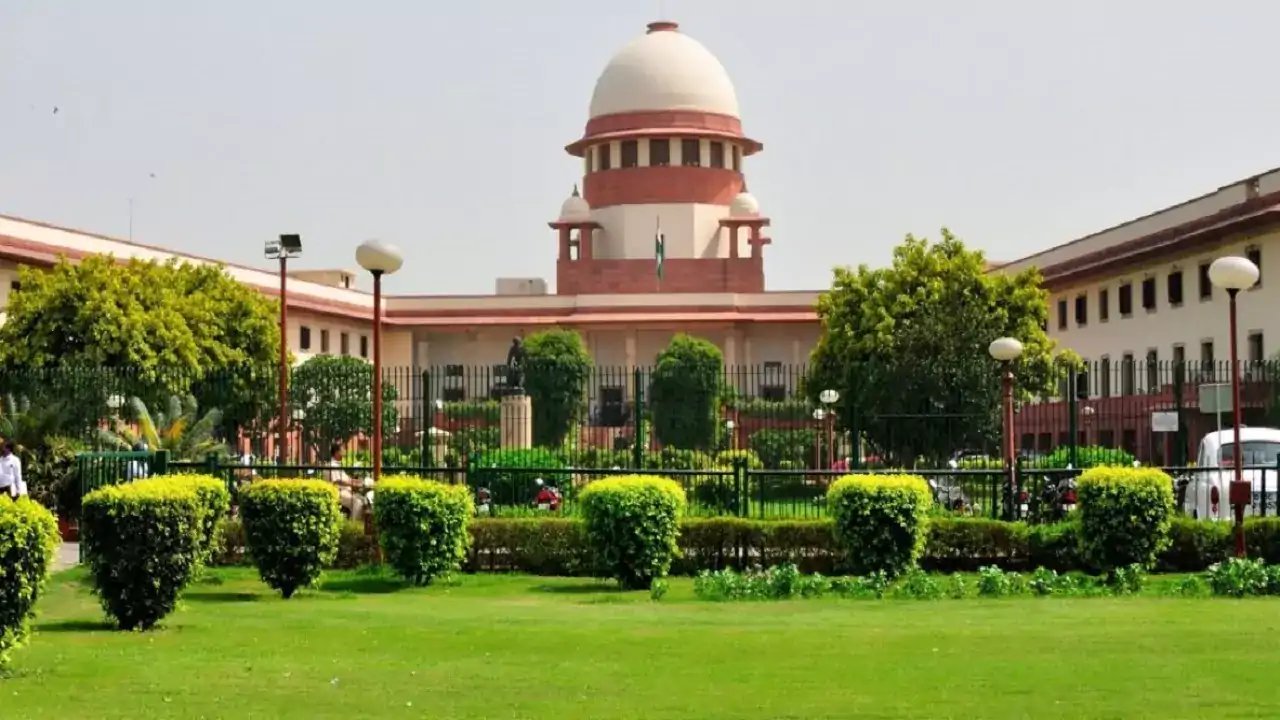
The Supreme Court on Thursday dismantled a decade-old conviction, acquitting a man charged under Section 6 of the POCSO Act and Section 363 of the IPC. Justices Prashant Kumar Mishra and N V Anjaria set aside the verdicts of both the trial court and the Delhi High Court, freeing the appellant from a 10-year rigorous imprisonment sentence and a fine. The man had been convicted for allegedly sexually assaulting a minor daughter in a Kalkaji slum in south Delhi in 2015.
The core of the dispute traced back to a bitter, long-standing feud over water rights between the accused and the complainant’s family. The Supreme Court found the sexual assault allegation to be false, a fabrication stemming from this pre-existing conflict. The bench noted that the lower courts had overlooked critical discrepancies in the testimony of the victim's mother, relying too heavily on the statutory framework rather than the factual matrix.
Justice N V Anjaria, who authored the judgment, delivered a sharp critique of how lower courts interpret the POCSO Act. "The statutory presumptions cannot be read to mean that the prosecution version is liable to be treated as gospel truth in every case," he stated. The bench emphasized that while Sections 29 and 30 create a presumption against the accused, this does not mean the prosecution’s evidence is automatically accepted. If the accused points out significant inconsistencies and lacks corroboration in the prosecution's case, the presumption of guilt loses its effectiveness.
The ruling clarifies a critical legal nuance: the reverse burden of proof does not change the fundamental standard of proof in criminal cases. Courts must still rigorously analyze evidence and cannot mechanically accept the prosecution's word to give a "stamp of approval" to absurd or improbable stories, the bench warned. This decision signals a shift away from automatic convictions in POCSO cases where evidentiary gaps exist.
With the acquittal, the man is immediately eligible for release from custody. The judgment stands as a significant legal precedent, reminding lower courts that statutory presumptions are tools for justice, not shortcuts that bypass the duty to examine evidence critically.