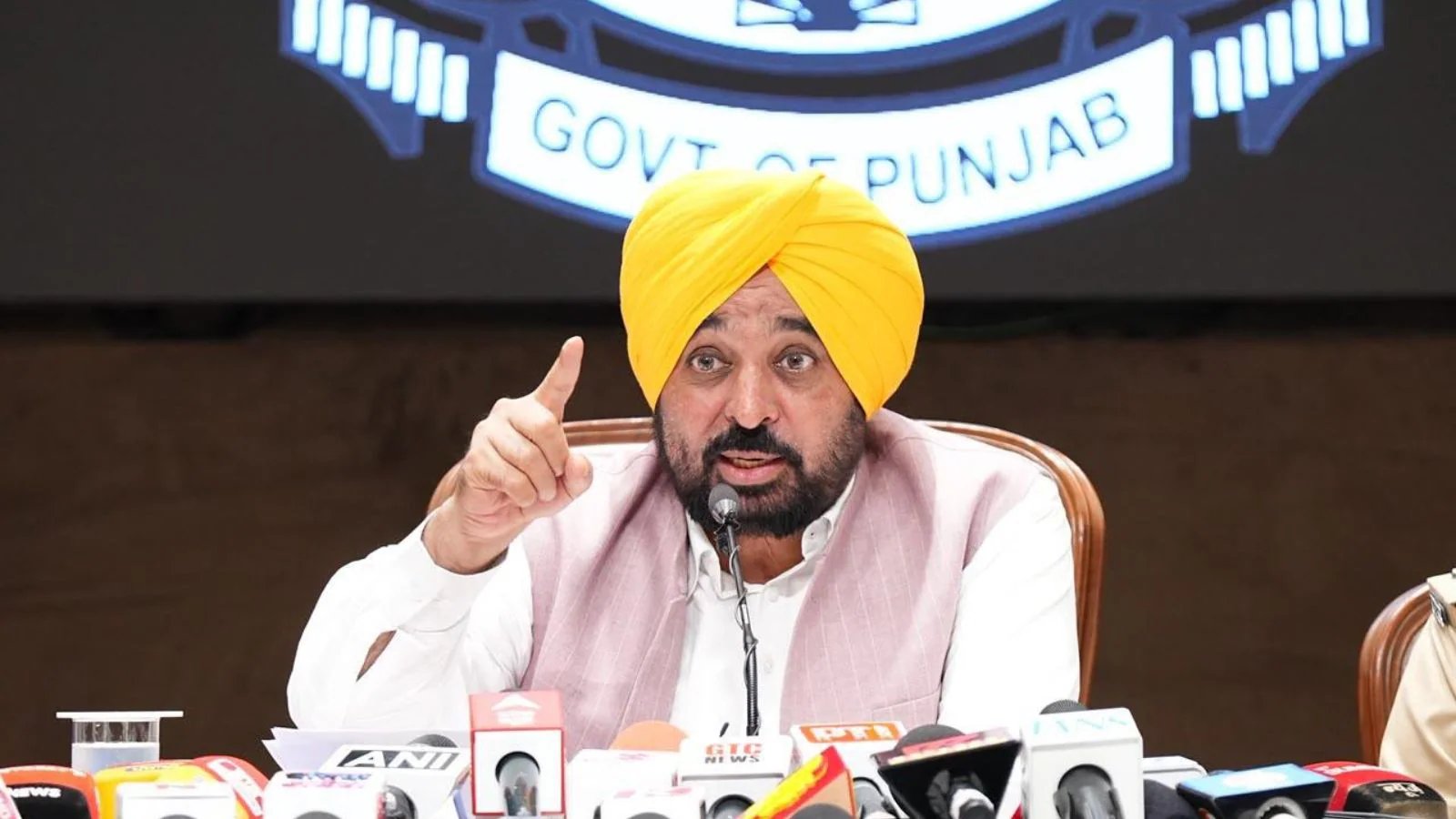
The Bhagwant Mann government moved to secure the crucial employee vote by announcing an 8% hike in Dearness Allowance (DA) on September 18. The increase, split into two 4% instalments, reflects in the accounts of approximately 8 lakh government employees and pensioners starting from October. This is not just a payroll adjustment; it is a strategic political play. With the 2027 Punjab Assembly elections approaching, the Aam Aadmi Party (AAP) recognizes that the grievance-ridden workforce remains its most volatile constituency.
Tensions have been simmering for months. Staff unions had intensified protests in recent weeks, citing pending arrears, probationary-period salary issues, and the slow pace of Old Pension Scheme (OPS) implementation. These groups were pivotal in the 2022 victory, voting for the restoration of the OPS which the Mann cabinet notified in November 2022. Yet, the honeymoon period ended quickly as reality set in regarding allowances and pension multiplication factors.
Mann is attempting to reset the narrative through direct engagement. He has mandated compulsory monthly meetings between the administration and employee representatives. These sessions will address long-pending demands, including the 2.59 pension multiplication factor and Assured Career Progression. The goal is clear: transform adversarial unions into supportive stakeholders before the next election cycle begins.
The financial impact is substantial, but the political calculation suggests it is necessary. By addressing the DA gap immediately, the government removes one of the loudest criticisms from the opposition playbook. The next major test will be the outcome of the first scheduled monthly grievance meeting, where unions are expected to demand concrete timelines for the remaining pending dues.