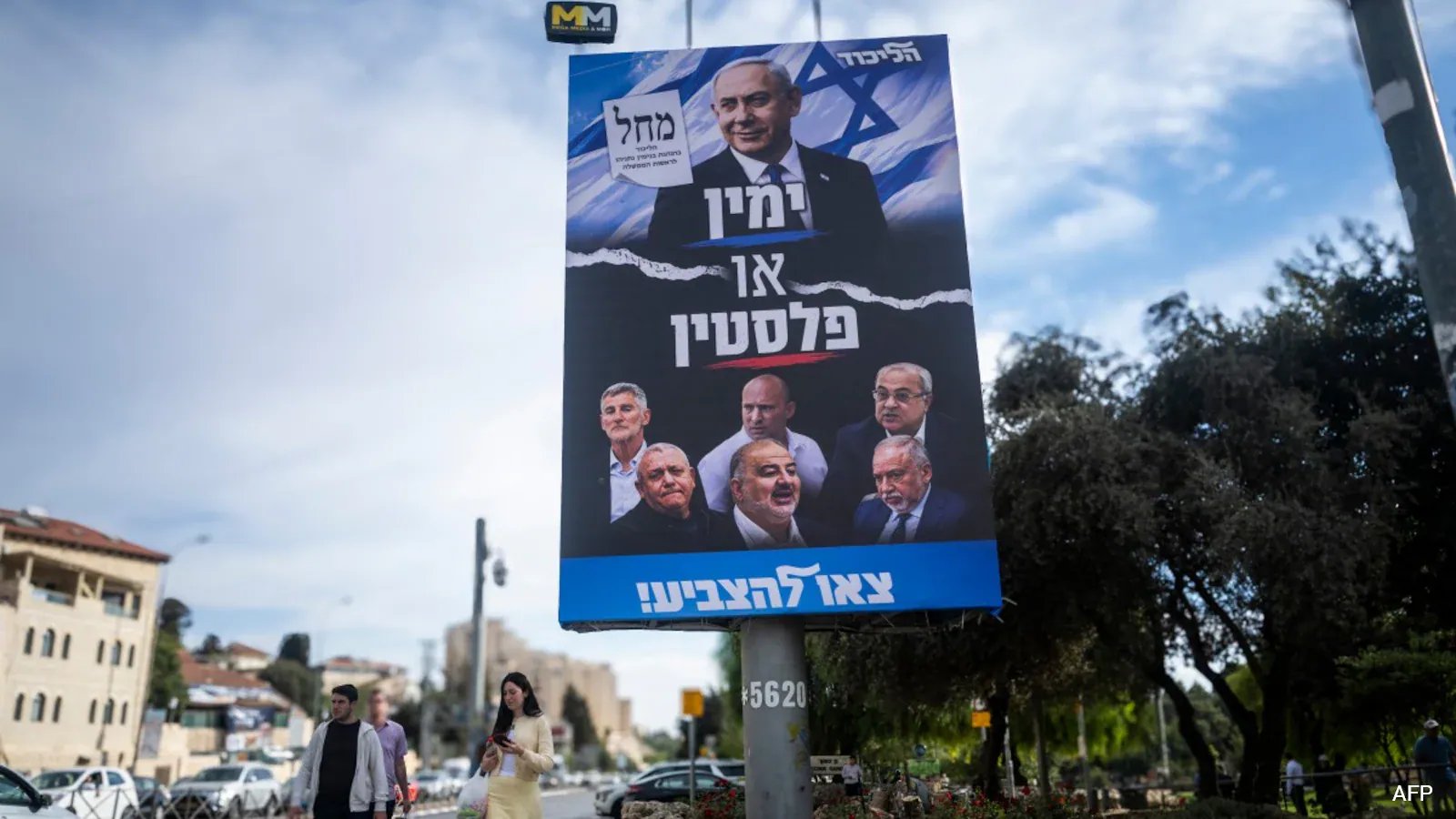
Israel's electorate will cast ballots on October 27 to decide if Benjamin Netanyahu will continue as prime minister after two decades in office. The 120‑member Knesset sits in a single nationwide constituency, and the election law mandates proportional representation with a 3.25% threshold, equivalent to four seats.
The Central Elections Committee said that in the November 2022 election turnout hit 70.6% and 38 party lists competed, though two withdrew before the polls opened. Votes for parties below 3.25% are discarded, and the remaining ballots are redistributed by the Bader‑Ofer method, a highest‑average calculation that favors larger parties.
In 2022, roughly 300,000 ballots—about six percent of the vote—were reallocated, giving Likud a net gain of 20 seats and securing a 64‑seat majority for Netanyahu’s camp. A 20% share of the remaining votes translates into 24 seats, a figure that can change the balance of the 120‑seat chamber.
To form a government, a party or coalition must secure at least 61 seats. Once counting is complete, President Isaac Herzog will appoint the party leader most likely to assemble a coalition, a process that has seen multiple failed attempts in 2021, leading to Naftali Bennett’s brief tenure as prime minister.
Counting is slated to finish by 9 PM local time; coalition talks must begin immediately thereafter, with a deadline of 14 days to agree on a governing agenda. The outcome will determine whether Netanyahu’s 20‑year rule ends or continues.