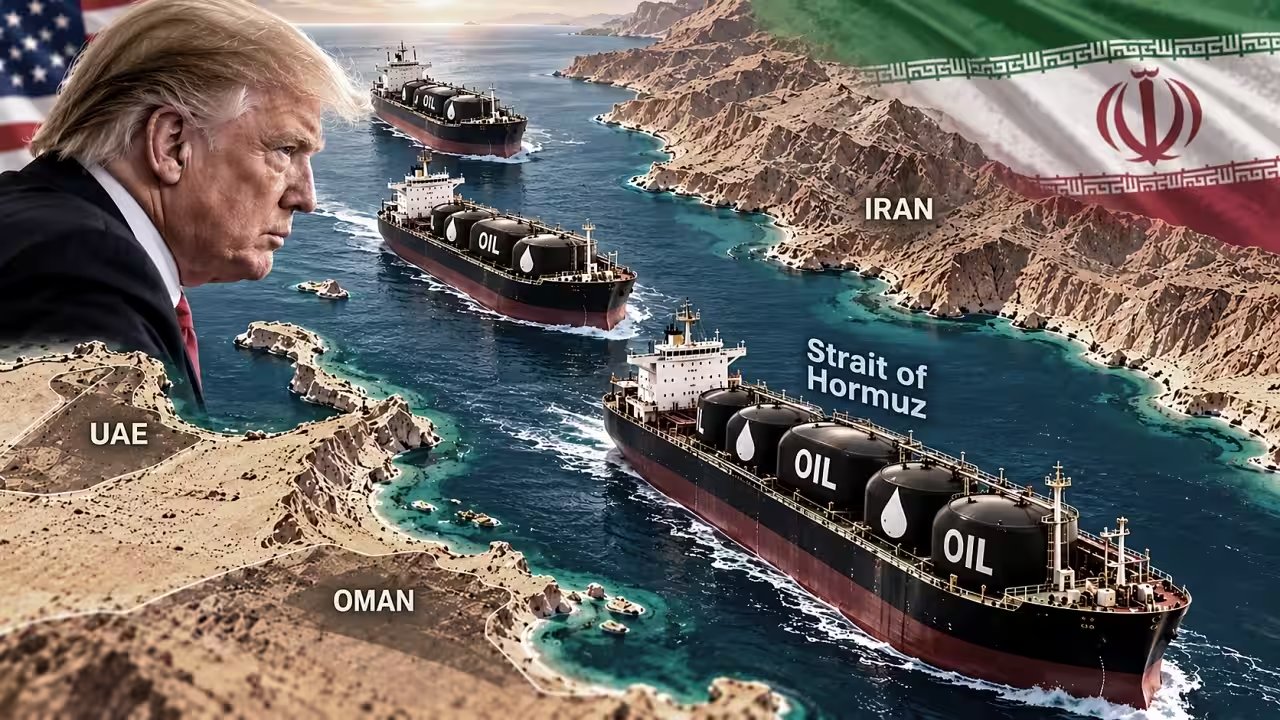
Iran’s maritime authorities increased oil transit through the Strait of Hormuz to 10 million barrels per day in early October, after a sharp decline during the US‑Iran war that began in late February.
Before the conflict, the region shipped about 19 million barrels daily, but by August the volume had slumped to 9.8 mb/d. Kpler’s tanker‑tracking data shows the flow rebounding to an average of 16 mb/d in September, with 10 mb/d through Hormuz and another 6 mb/d via the Red Sea and Gulf of Oman bypass routes.
War‑risk premiums have jumped from 0.25% pre‑war to 3‑8% of hull value, while loading rates at Fujairah, Yanbu and Muscat climbed to 750‑950 WS compared with 125‑155 WS in February. Iran continues to strike ships almost daily, yet more tankers are willing to cross, bolstered by US air protection and higher payments from Saudi Arabia and the UAE that have sometimes reached ten times pre‑war levels.
Iran’s grip on Hormuz may be loosening, but the regime still wields leverage through the Houthi‑controlled Bab al‑Mandab and by threatening Gulf energy infrastructure. Kpler data last week recorded the most attacks of any week in the war, with only seven commodity vessels crossing on Oct 6, the fewest since July 23. The US has yet to secure a diplomatic deal, so the risk environment remains high.
Despite the flow rebound, crude prices have not dipped because higher tanker fees and insurance premiums keep shipments costly, while global supply still lags demand and winter heating needs loom. In Mumbai, a family that relies on oil‑based cooking fuels has reported that their monthly expenses have risen by nearly 15% since the war began.