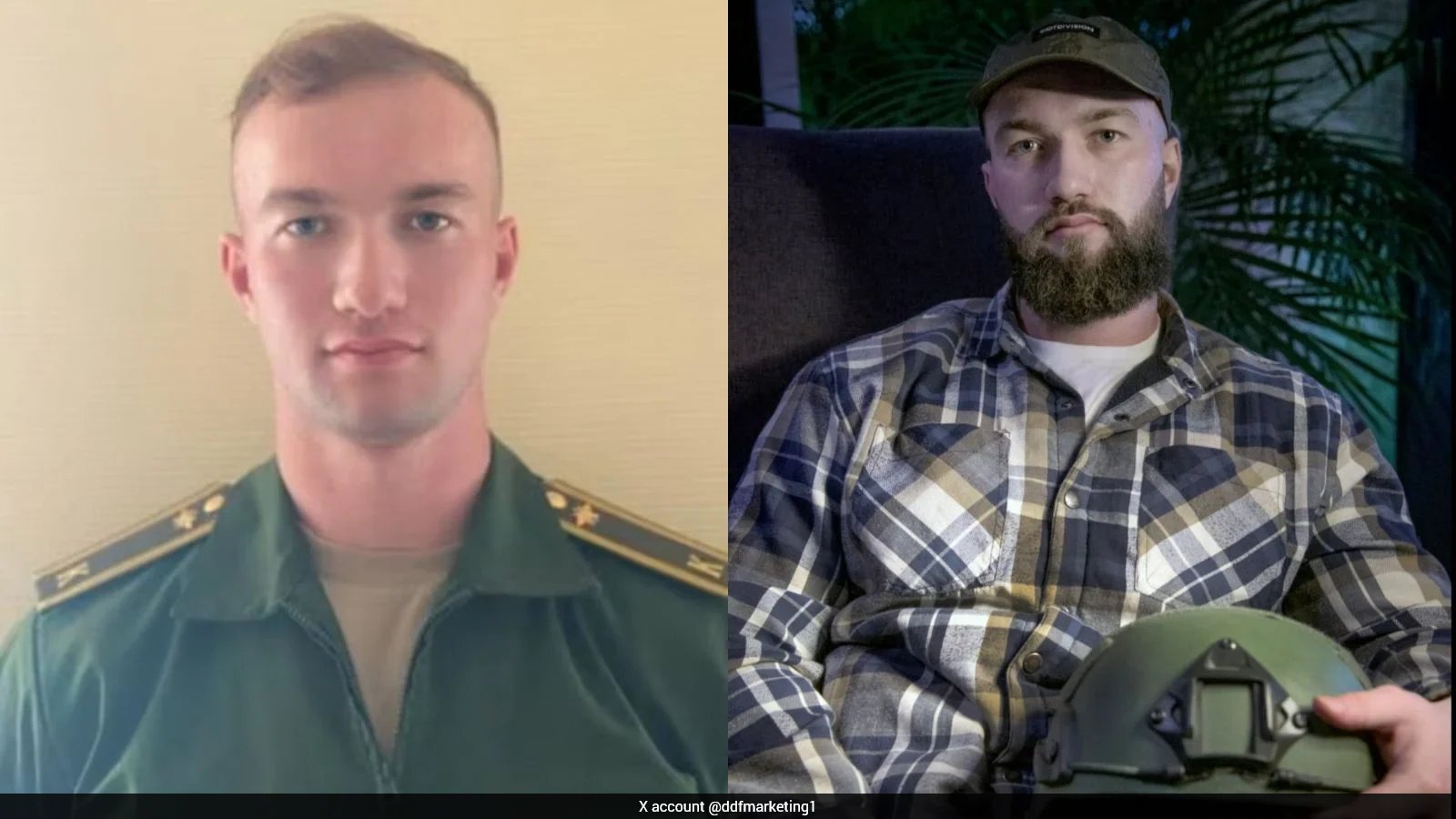
Lt. Lev Stupnikov, 26, served as chief signals officer in a Russian battalion tasked with seizing the Donbas stronghold of Vuhledar. Instead of relaying orders, he fed Ukrainian intelligence with real‑time troop movements and drone feeds. Ukrainian missiles struck the coordinates he supplied on July 13, 2024, killing 68 Russian soldiers, including Colonel Gusein Musayev, and wounding 60 more. The strike was part of a broader campaign that has already claimed over 300 Russian troops.
Stupnikov’s defection came at a steep personal price. His wife Liza accused him of betraying both Russia and their marriage after he vanished from the front. The loss of contact left her in a state of disbelief, according to a statement she released via a Telegram channel.
The escape itself was a calculated risk. On July 20, 2024, he slipped from his unit under the cover of darkness and followed a pre‑arranged route through the frontline, aided by encrypted messages from Dmytro Karpenko. Ukrainian scouts tracked his movements from a bunker, and when he reached a tree line near a 72nd Brigade position, they verified his identity with a passcode, “peanut shop,” before escorting him to Ukrainian custody.
Karpenko, a Ukrainian‑aligned computer programmer, manages a network of Russian informants and paid 250,000 rubles—about $2,700—to those who provide actionable intel. Stupnikov was recruited through this channel, and his mother Tatiana Yantsen also reached out to Karpenko in February 2024, expressing her opposition to Putin’s regime. The network’s operations illustrate how Ukraine has leveraged insider information to offset Russian numerical superiority.
Stupnikov will now serve as a signals specialist with Ukraine’s 72nd Brigade and is slated to participate in the upcoming counter‑offensive in the Kharkiv region.