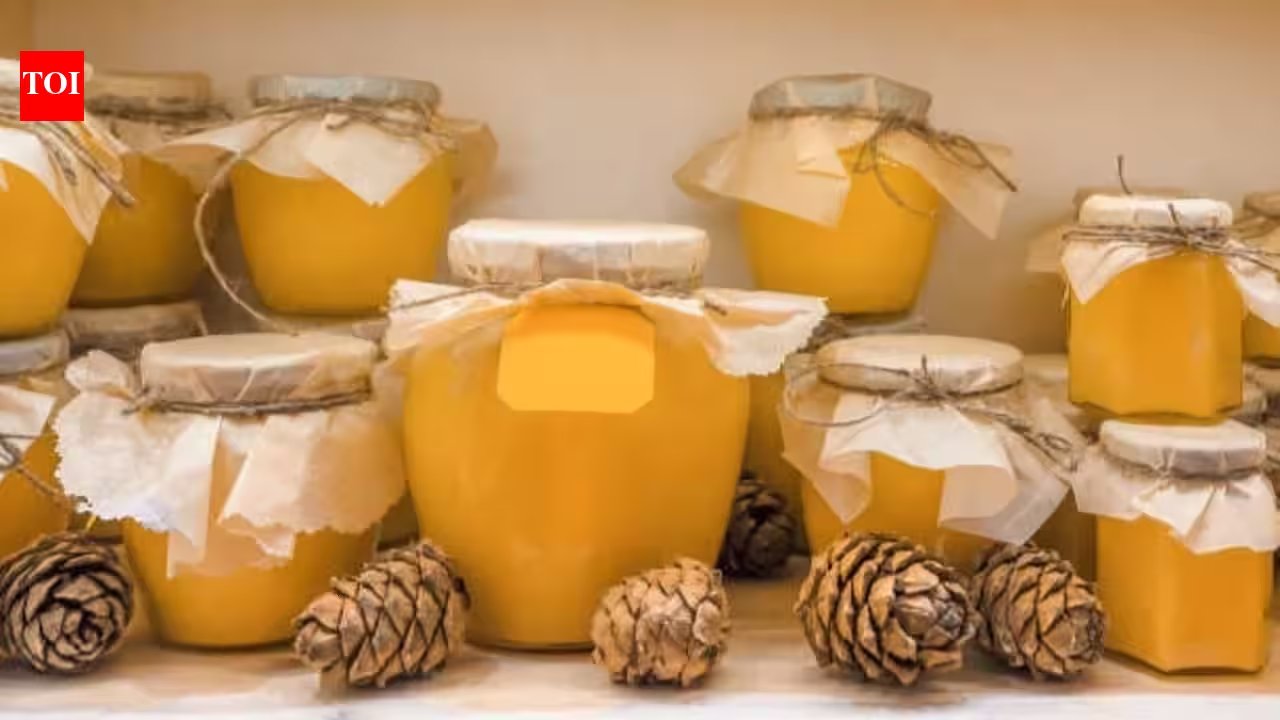
That frustrating moment when your spoon hits a wall of solid fat? It’s not your ghee going bad. It’s just physics. As temperatures drop, the fat in ghee naturally solidifies, often resulting in that grainy, 'danedar' texture many cooks actually prefer. It’s a sign of purity, not spoilage, but it certainly makes for a difficult morning routine. The fix isn’t heating the whole jar in the microwave, which can compromise flavor over time. It’s about strategy. Grab a small glass or stainless steel container—avoid plastic, which traps odors—and transfer just a week’s worth of ghee into it. Keep this 'daily jar' in a spot that stays consistently warm, like a cabinet away from exterior walls or next to a frequently used appliance that emits gentle ambient heat. The rest of your bulk ghee stays sealed in a cooler, darker place, protected from air and moisture. This way, your daily portion stays soft and scoopable from regular handling, while the main supply remains fresh for months. One more rule: use a dedicated, bone-dry spoon. Moisture is the real enemy here, not the cold. A single wet drop can introduce bacteria that no amount of storage trickery can fix. Keep that spoon dried properly, and your ghee will stay soft, safe, and delicious all winter long.