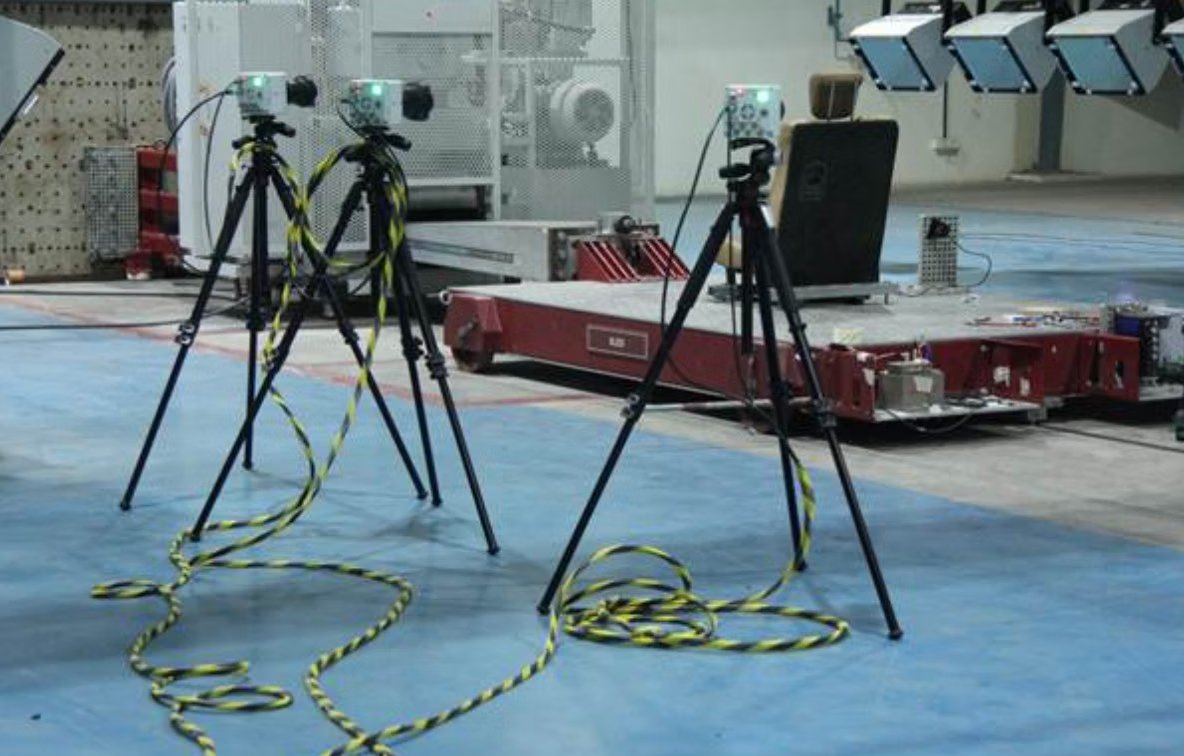
GARC has just landed a ₹221.13‑crore package to beef up its testing arsenal under the PM E‑DRIVE programme. That money will fund new EV battery rigs, electromagnetic interference suites and a high‑speed crash screening system that can capture up to 750 frames per second.
The centre’s existing labs already cover powertrains, emissions and basic safety, but the new AIS‑156‑compliant battery chamber will let OEMs prove battery endurance and thermal stability under Indian road conditions. In plain terms, lithium‑ion packs from the next‑gen EVs will be tested for real‑world safety before they hit the road.
GARC is also opening a heavy‑commercial‑vehicle test track and upgrading its power‑train lab, a move that puts it on par with the likes of ARAI and the Indian Institute of Technology’s automotive research wings. For buyers of vans and trucks, that means the chassis and drivetrain will meet stricter load‑bearing and emissions standards.
The safety side gets a high‑tech makeover too. A new 4K camera rig can record crash footage at 750 fps, and a secondary Full‑HD camera will capture 3,000 fps during side‑impact tests. Engineers will use that grain‑by‑grain data to fine‑tune airbag deployment and occupant protection, so when a Tata Nexon EV or a Hyundai Kona Electric rolls out, you’ll know the crash data was vetted by a top‑tier lab.
The PM E‑DRIVE scheme is a ₹10,900‑crore push, with ₹780 crore earmarked for testing agencies. GARC’s upgrade is slated to finish by March 31, 2028, after which OEMs can start lodging their vehicles for homologation. For the market, that translates into quicker certification cycles and, ultimately, a more competitive EV lineup.
The centre will open its doors to manufacturers in the next quarter, with a phased rollout across its new labs. Keep an eye on the subsequent certification dates for flagship models; a smoother testing pipeline could shave months off launch timelines.