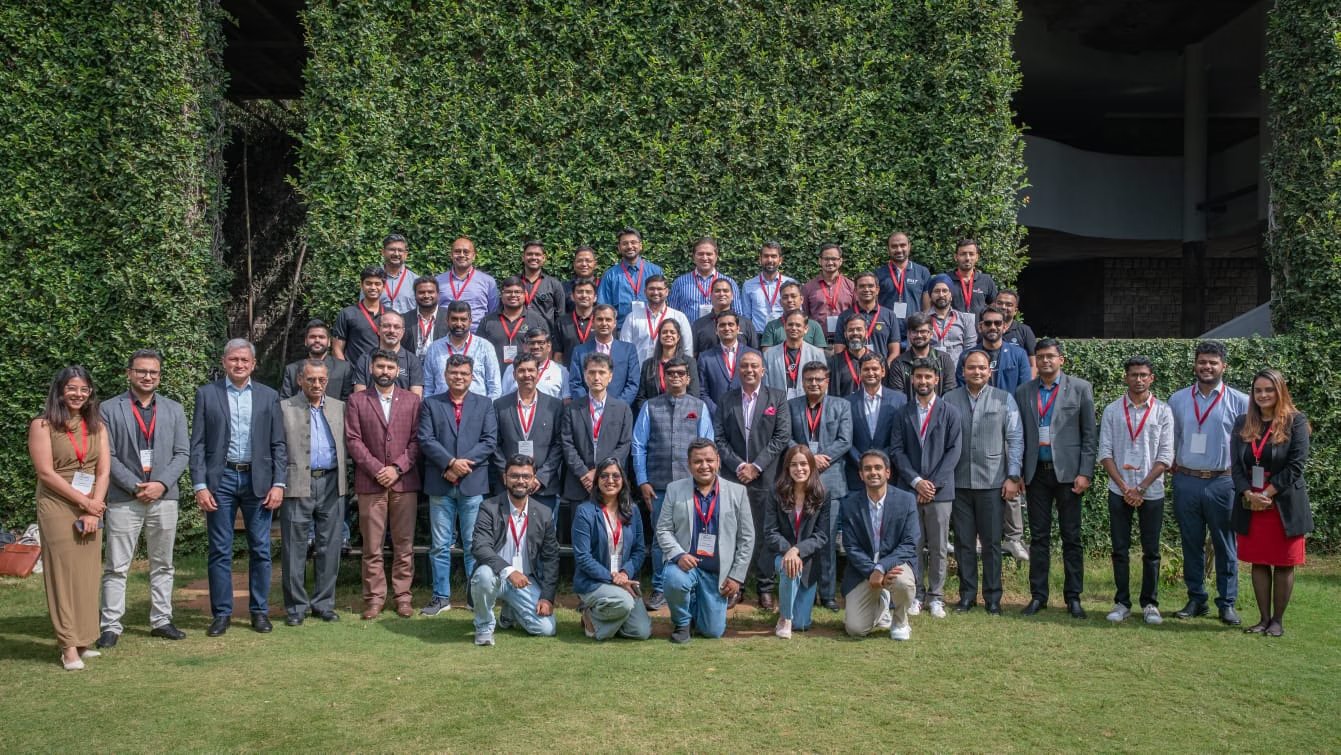
But the real scoop isn’t a new car model; it’s a 6‑month incubator that could shape the next generation of Maruti Suzuki vehicles. The programme, powered by NSRCEL at IIMB, invites startups working on everything from battery recycling to AI‑driven vehicle diagnostics.
So what does that mean for you? If you’re eyeing the next Alto or Swift, the incubator could deliver features that cut charging time or trim fuel usage, lowering the running cost you’ll pay each month. The focus on green manufacturing also hints at lighter bodies and better range, a key metric for EV buyers.
The cohort will test solutions directly on Maruti platforms, giving startups a real‑world lab and the company a low‑risk way to vet new tech. Companies like Sarvam AI and Zen Mobility are already prototyping AI‑assisted driving aids that could surface in future models, giving you a head‑start on autonomous safety features.
Competitors aren’t standing still. Tata Motors, Hyundai, and even foreign entrants are courting startups via similar OEM‑led programmes. Maruti’s partnership with NSRCEL could keep it in the race, ensuring its cars stay relevant to a market that increasingly values connectivity, low emissions and advanced safety.
From a policy angle, India’s push for 30% EV sales by 2030 and the government's incentives for clean‑tech firms give this incubator a boost. The 6‑month timeline is short, but it mirrors the fast‑paced rollout of tech in the automotive world, meaning any breakthrough could hit the road faster than the typical 2‑3 year development cycle.
Watch the rollout next quarter: Maruti says the first batch of startups will start pilot runs in Delhi‑NCR, Bengaluru and Pune. If a startup’s tech proves successful, you could see it on a Maruti chassis by late 2027, giving you a direct line from startup lab to your driveway.